
In the high-stakes theater of Israeli politics, Benjamin Netanyahu has renewed his call for a national unity government, arguing it is essential to guarantee Israel's security against external threats. His rival, Gadi Eisenkot, who commands the support of 67 deputies following the legislative elections, views the plea as political spin and a ruse intended to obstruct government formation.
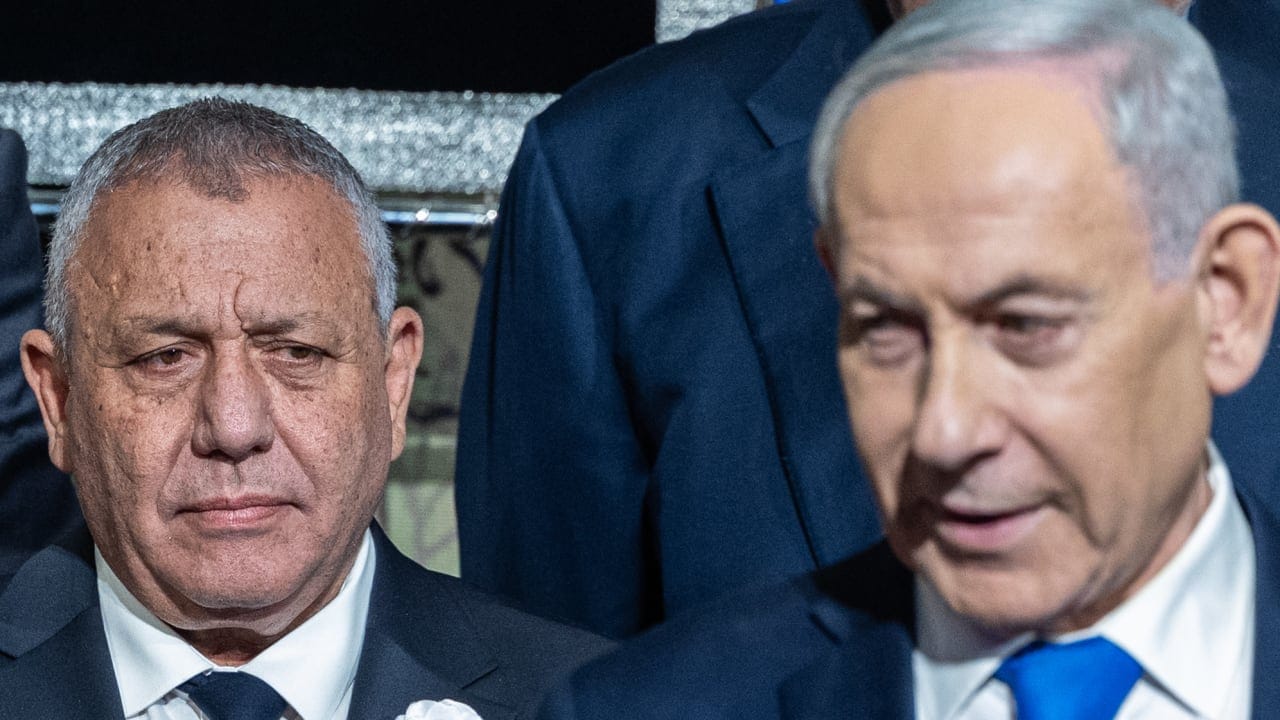
At the heart of the dispute is a fundamental difference in vision. Netanyahu asserts that only a national unity government—bringing together Jewish Zionist parties from the center to the right—can protect Israel, a stance he frames through the threat posed by the Iranian regime. He has explicitly excluded Arab Israeli parties, which hold 19 seats in the Knesset, labeling them supporters of terrorism.
Eisenkot rejects this exclusion as a divisive tactic. He argues that Netanyahu is waging a rearguard action to place obstacles in the path of a new government. Formal negotiations between the Yashar and Likud negotiating teams are already scheduled, contrary to the Prime Minister's public calls for dialogue. Eisenkot has made clear that any emergency government under his leadership would require Netanyahu to distance himself from extremists and to instruct Likud members to support the appointment of Matan Kahana as Knesset speaker.
Formal negotiations between the Yashar and Likud negotiating teams are already scheduled, contrary to the Prime Minister's public calls for dialogue.
The process is governed by a strict timeframe: Eisenkot has 28 days to assemble a government, with an additional 14-day extension possible. Within this window, the prospect of a rotating prime minister position has been discussed, though conditions remain firm on institutional integrity and restraint from incitement.