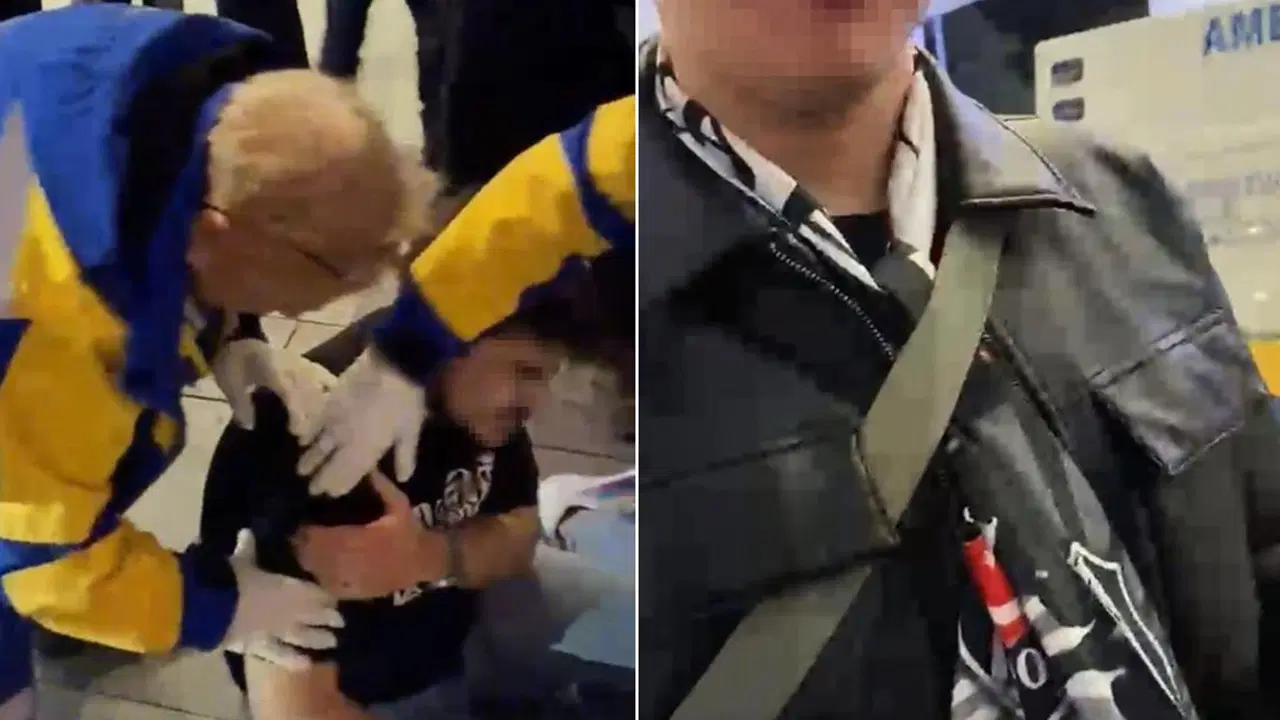
In the coastal city of Batumi, Georgia, the atmosphere following the UEFA Europa League match between Beşiktaş and Hapoel Beer-Sheva was meant to be defined by the adrenaline of sport. Instead, the evening took a sharp, violent turn. On November 27, 2026, the celebratory or perhaps tense energy of the match dissolved into a localized confrontation that would leave two young men, both students living in the city, fighting for their safety.
For many students living abroad, a football scarf is more than just merchandise; it is a portable piece of home, a visible marker of identity in a foreign land. For these two Beşiktaş supporters, the scarves were symbols of their allegiance to their Turkish club. But in the streets near the Batumi Hilton Hotel, those symbols became the catalyst for a sudden and brutal confrontation.
As the students navigated the area near the Hilton Hotel, they were intercepted by a group of three to four Georgian individuals. The encounter was not a random act of street crime, but a targeted demand for submission. The group confronted the students with a specific ultimatum: they were to remove their Beşiktaş scarves.
The presence of the hotel staff provided a critical bridge between the moment of the attack and the arrival of emergency responders.
In the hierarchy of football culture, the refusal to surrender team colors is a common flashpoint, but the escalation here moved rapidly from verbal demands to physical aggression. The two Turkish students, rather than complying with the group's demands, resisted. They refused to surrender the scarves that represented their club, a decision that immediately transformed a tense standoff into a physical struggle.
When the students stood their ground, the group of three to four attackers turned to violence. The confrontation escalated from a verbal dispute into a beating. In the chaos of the assault, the situation turned life-threatening when one of the students was stabbed in the shoulder.
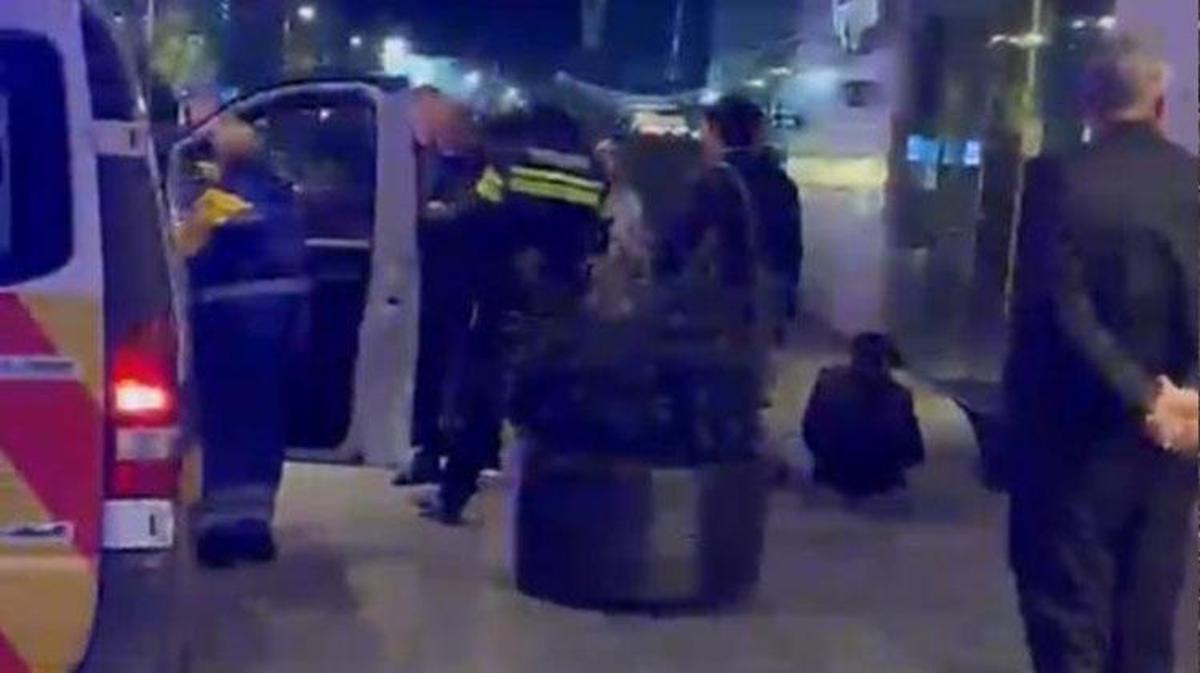
The proximity to the Batumi Hilton Hotel meant that the violence did not go unnoticed. As the struggle unfolded, hotel staff witnessed the escalation and acted quickly to summon both police and medical teams to the scene. The presence of the hotel staff provided a critical bridge between the moment of the attack and the arrival of emergency responders.
As the police arrived to secure the scene, the priority shifted to the wounded student. The young man suffering from the stab wound was immediately transported to a hospital for emergency treatment. The injury, while serious, did not prove fatal; medical reports later indicated that his condition was good following the intervention.
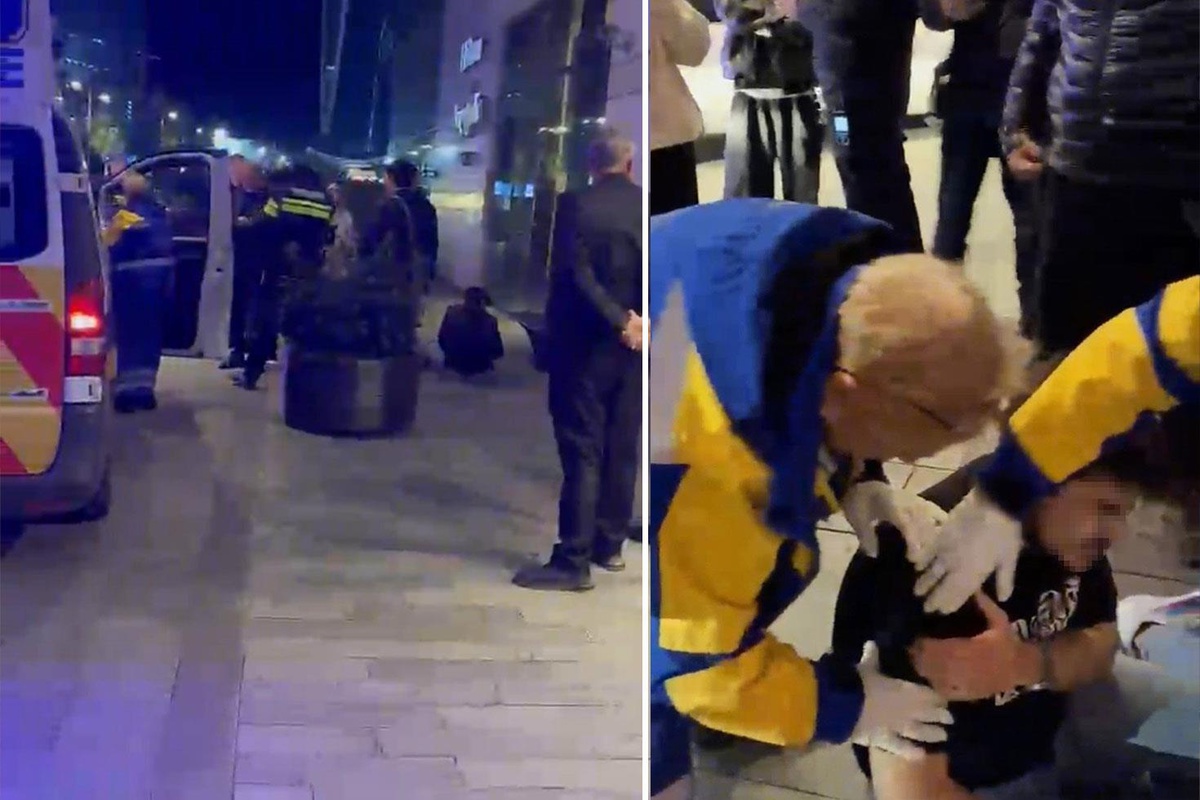
The physical wounds of the students were accompanied by the immediate legal and diplomatic fallout of the incident. While one student recovered in a hospital bed, the other remained part of a situation that had now transcended a simple street fight, moving into the realm of international concern.
The attack on Turkish nationals on Georgian soil necessitated a swift move from the diplomatic corps. The Consulate General of Turkey in Batumi intervened as soon as the details of the assault became clear. Officials from the Consulate did not merely observe the situation from afar; they actively engaged with Georgian authorities to address the attack.
This intervention highlights the complexities of student life in foreign cities, where a local altercation can quickly become a matter of state-level communication. The Consulate's involvement was aimed at ensuring the incident was handled by the proper Georgian channels and that the interests of the two students were represented during the subsequent investigation.
As of the conclusion of these events, the city of Batumi remains the site of a lingering tension. What began as a standard fixture in the UEFA Europa League schedule ended with a stabbing and a diplomatic inquiry. The two students, whose lives were interrupted by a demand for their scarves, now find themselves at the center of a legal and medical recovery process.
While the medical prognosis for the injured student is positive, the incident serves as a stark reminder of how quickly the passion of football can be weaponized in the streets. The investigation into the group of three to four Georgian individuals continues, as authorities work to reconcile the violence of the night with the legal standards of the city.