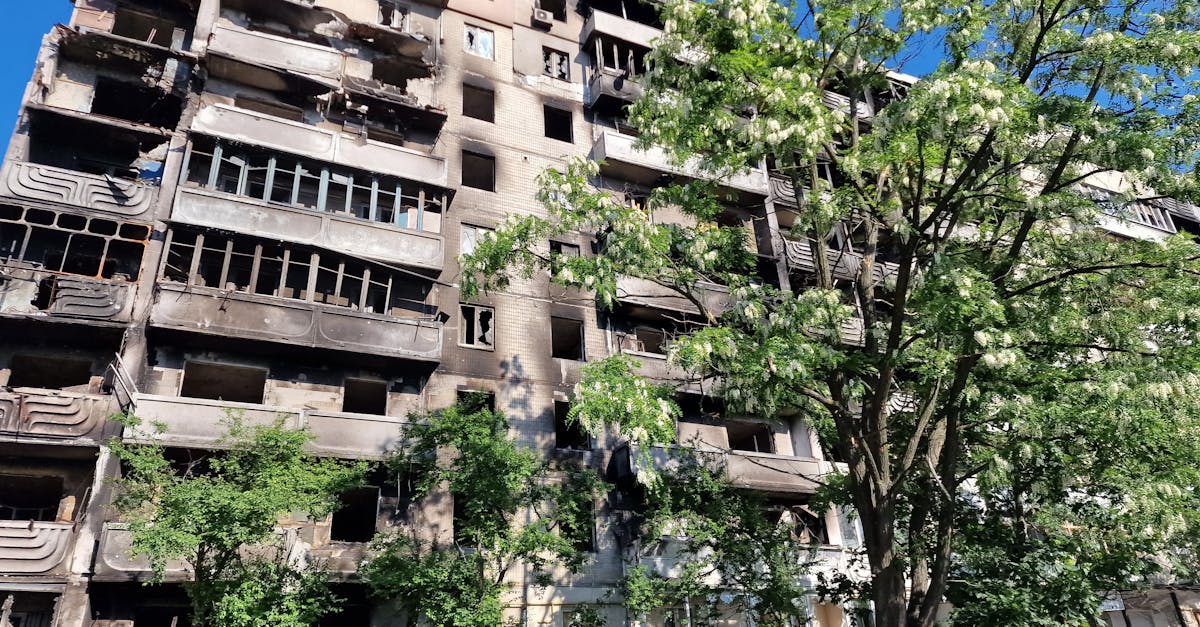
It began as a Tuesday evening in Vladikavkaz, a city nestled in the Caucasus Mountains where the air is often thick with snow and silence. On the sixth floor of a residential building on Kursantov-Kirovsev Street, the routine of daily life was interrupted by a sound that residents would later describe as a thunderclap. An explosion tore through the structure, a violent breach of the ordinary that sent shockwaves through the community.
The blast was not merely loud; it was destructive. Windows were blown out of the apartment, leaving jagged frames and open air where glass once stood. The force of the detonation did not stop at the glass, however. It traveled through the walls and floors, shaking the building from its foundation. For the residents inside, the event was a sudden, terrifying transition from safety to chaos. The explosion occurred on the sixth floor of a multi-story building, a detail that would later prove crucial in understanding the scale of the damage.
The moment the explosion occurred, the emergency response systems in North Ossetia were activated. The North Ossetia branch of Russia's Ministry of Emergency Situations (EMERCOM) arrived at the scene with a grim assessment. Two individuals had been killed at the scene, their lives cut short in an instant. Two others were injured, their bodies bearing the physical toll of the blast. The situation was critical, but the response was immediate.
This revelation shifted the narrative from a sudden, inexplicable disaster to a preventable tragedy.
Firefighters and specialists moved quickly to secure the area. Windows were blown out, but miraculously, no fire started. This detail is significant because it suggests that the explosion was contained within the apartment or the immediate vicinity, sparing the rest of the building from a larger conflagration. The focus shifted to the injured. One of the hospitalized individuals, a man, was taken to the Republican Clinical Hospital with multiple injuries. Health officials described his condition as stable but critical. The second injured person was treated on-site and released, a small mercy in a day of tragedy. Approximately 30 specialists and six units of machinery were working at the scene, dismantling the damaged structures and securing the area for further investigation.
As the dust settled and the specialists worked, the question on everyone's mind was the same: why? The answer came from the Russian Investigative Committee, the body responsible for probing serious crimes and accidents. Their press service, speaking on behalf of the regional head, announced that the cause of the explosion was a gas leak. The incident occurred on the sixth floor of an apartment building on Kourantsy-Kirovtsy Street.
Forensic investigators were dispatched to the scene to inspect the wreckage and interview witnesses. Their work would be crucial in piecing together the timeline of events. The statement released on November 21 was definitive: a gas leak with subsequent ignition had occurred. This revelation shifted the narrative from a sudden, inexplicable disaster to a preventable tragedy. The investigation was underway, and the focus was now on understanding how a leak could have led to such devastation.
The human cost of the explosion was stark and undeniable. Two people died at the scene, their lives extinguished by the force of the blast. Two others were injured, one of whom remained in the Republican Clinical Hospital with multiple injuries. His condition was assessed as stable but critical, a phrase that speaks to the precariousness of his situation. Necessary medical assistance was being provided, but the road to recovery would be long and arduous.
The second injured person was treated on-site and released, a small mercy in a day of tragedy. The loss of life was a heavy burden for the community, and the injuries served as a stark reminder of the fragility of life. The explosion had not just damaged a building; it had shattered the lives of those inside and those who knew them. The investigation would seek answers, but for now, the focus was on the survivors and the families who had lost loved ones.
As the days passed, the work at the scene continued. The dismantling of damaged structures was a slow and meticulous process, requiring the expertise of specialists and the power of machinery. The North Ossetia branch of EMERCOM reported that their specialists were continuing to work at the scene of the incident. The investigation was ongoing, and the search for answers was far from over.
The cause of the explosion had been identified as a gas leak, but the details of how the leak occurred and why it ignited were still being pieced together. Forensic investigators were inspecting the scene and interviewing witnesses, gathering every piece of information they could. The Russian Investigative Committee was leading the probe, and their findings would be crucial in determining the final narrative of the event. The explosion in Vladikavkaz was a tragedy, but it was also a lesson, a reminder of the importance of safety and vigilance in our daily lives.