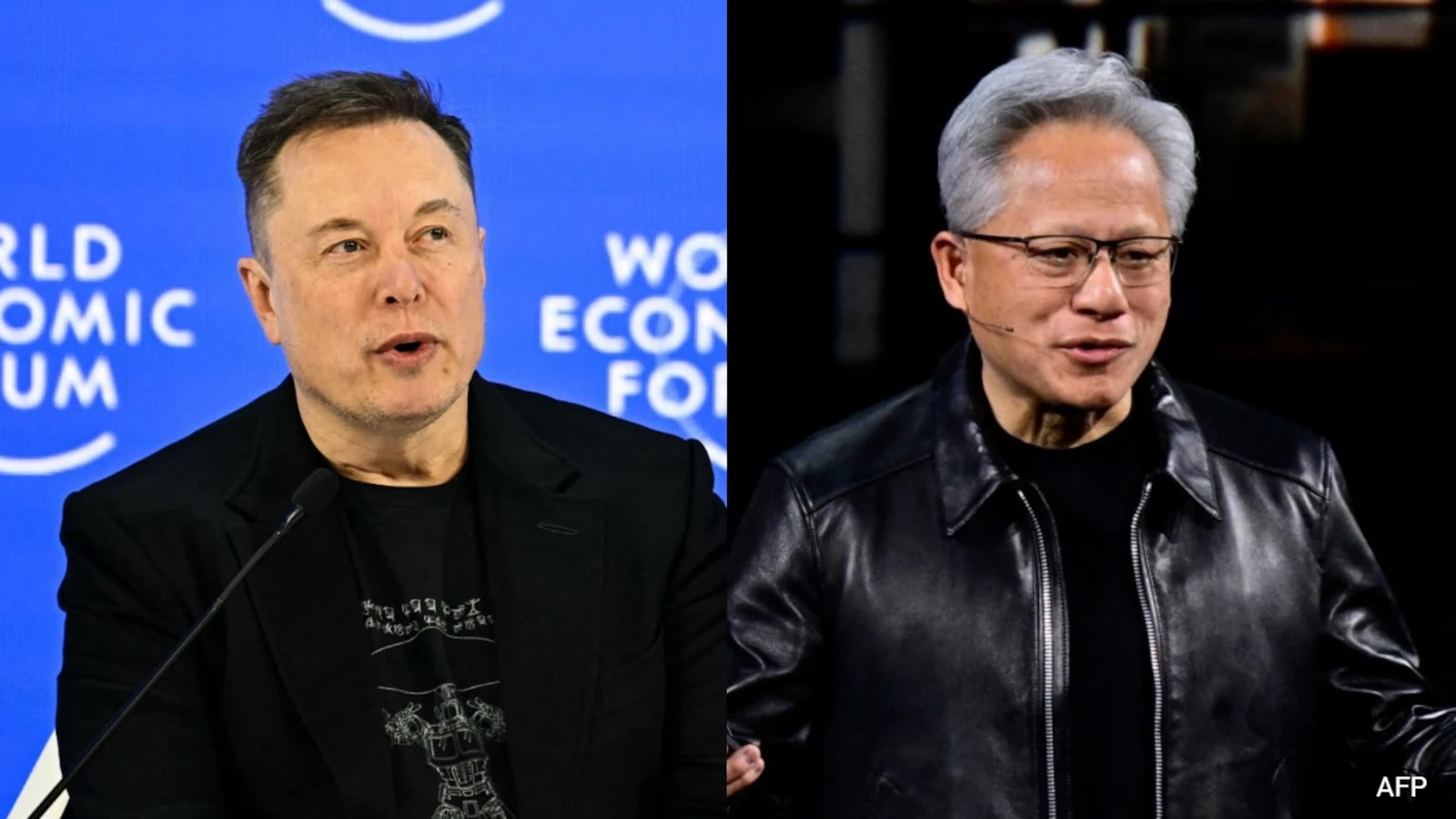
On November 14, 2026, the semiconductor industry faced a seismic shift. Nvidia, the company that became the indispensable engine of the artificial intelligence revolution, confirmed that its founder and long-time chief executive, Jensen Huang, was resigning. For more than three decades, Huang had not merely managed Nvidia; he had personified it. His leadership spanned the company's evolution from a niche graphics chipmaker into the undisputed titan of high-performance computing. But as the news of his departure settled, the industry was left to grapple with a chilling question: what happens to a company when the person who built its foundations walks out the door?
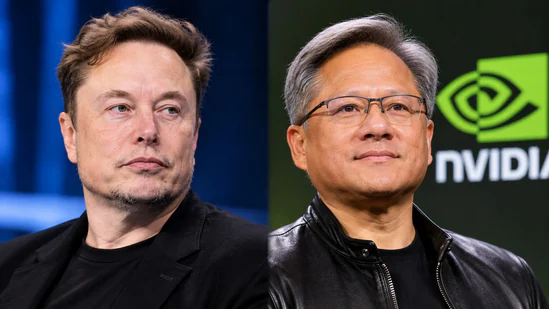
Only two days after the confirmation of Huang's resignation, Elon Musk, the chief executive of both Tesla and SpaceX, took to social media to offer a blunt assessment of the vacuum left behind. Musk, a figure whose own companies are among the most significant consumers of advanced computing power, did not focus on market share or technical roadmaps. Instead, he focused on the invisible architecture of business: trust. Musk issued a warning that Nvidia could lose critical commercial agreements in the wake of Huang's exit, suggesting that the company's stability might be more precarious than its balance sheet implies.

Jensen drove supply chain brilliantly at Nvidia, but many of those deals were a handshake with Jensen, not a written contract. Without Jensen, at least some of those critical deals will be lost.
In the high-stakes world of silicon and artificial intelligence, where supply chains are often stretched to their breaking points and demand outstrips capacity, the traditional mechanisms of business—the ironclad, multi-page legal contract—are often secondary to the speed of human connection. Musk articulated this reality with striking simplicity. He described many of Nvidia's most vital business arrangements not as formal legal obligations, but as "a handshake with Jensen, not a written contract."
The search for a permanent successor has begun, but the shadow of a leader who helmed the company for over thirty years is long and imposing.
This observation strikes at the heart of how the AI chip industry operates. When a company like Tesla or SpaceX needs massive amounts of computing equipment to train neural networks or launch rockets, they are not just buying hardware; they are buying a guarantee of delivery. Musk noted that Huang had consistently honored his commitments to deliver the necessary equipment to his companies, a reliability that transcends the fine print of a procurement agreement.
Musk's remarks highlight a fundamental truth about the tech giants that power the modern world: they are often built on the personal gravity of their founders. In the semiconductor industry, where lead times can span months or years, the ability to pick up the phone and ensure your order is prioritized is a form of currency. By characterizing these deals as personal handshakes, Musk is suggesting that the value of Nvidia is inextricably linked to Huang's personal reputation and his ability to navigate complex, high-pressure relationships.
If those relationships are tied to the man rather than the institution, the departure of that man creates a profound risk. For Nvidia, the challenge is no longer just about maintaining technical superiority; it is about proving that its institutional strength can replace the individual charisma and reliability of its founder.

🚨🇺🇸 The push to bring Jensen Huang BACK to Nvidia is gaining serious momentum. Two major investors, Altimeter Capital's Brad Gerstner and Atreides Management's Gavin Baker, are urging Nvidia's board NOT to rush into replacing him. Together, their firms held more than $2 BILLION in Nvidia shares as of June. Elon has also backed a petition calling for Huang's reinstatement, warning that Nvidia could lose critical deals without him. And the petition now claims more than 100,000 signatures, including over 5,000 Nvidia employees. Meanwhile, U.S. intelligence officials reportedly remain divided over whether Huang's alleged Chinese spy connection actually involved espionage. Huang built Nvidia into the world's AI powerhouse. Now some of its biggest backers want the board to consider bringing him back before the investigations have even concluded. That's a remarkable turnaround just days after his resignation. Source: CNBC / Writer: Oliver
As the news reverberates through the markets, Nvidia's board of directors finds itself in a delicate balancing act. They must work to maintain the confidence of stakeholders—investors, partners, and customers—who are watching closely to see if the company can maintain its momentum. The search for a permanent successor has begun, but the shadow of a leader who helmed the company for over thirty years is long and imposing.
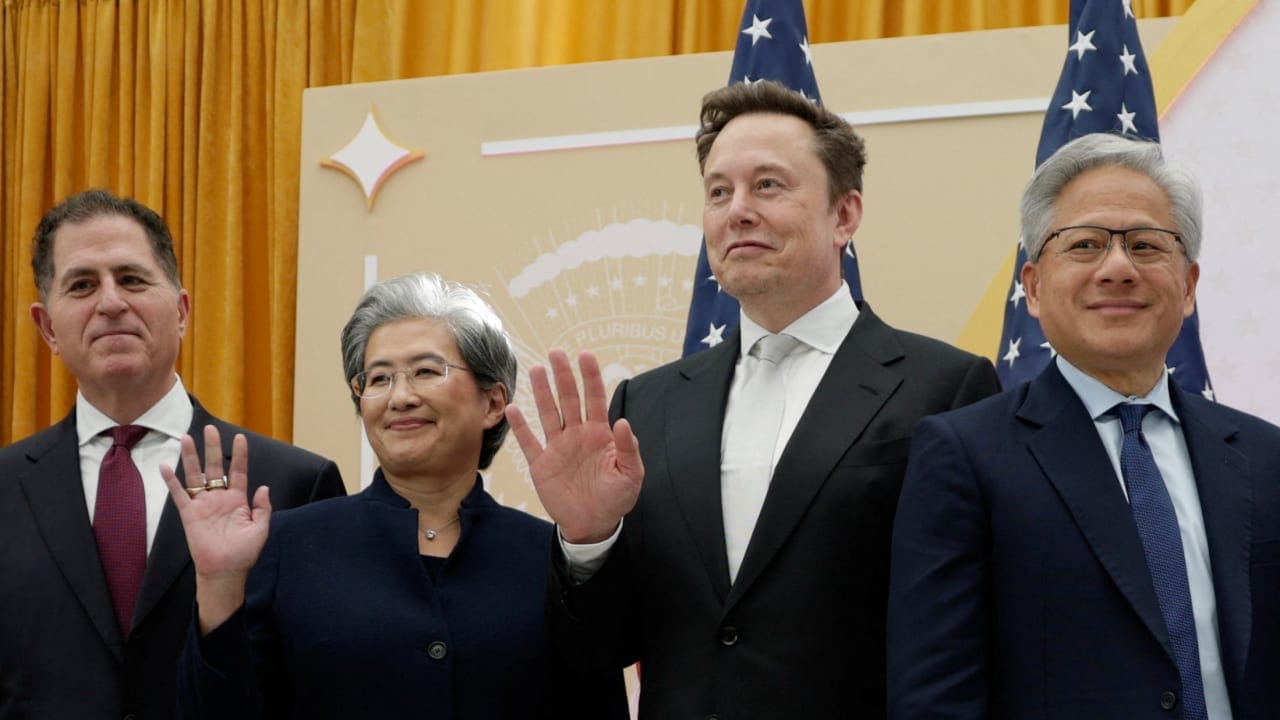
Finding a CEO with the technical acumen to lead a chipmaker is one task; finding a leader who can command the same level of personal trust from the world's most powerful tech moguls is another entirely. The board is looking for more than a manager; they are looking for someone who can honor the 'handshakes' that have kept the company's supply chains moving.
Musk's stance on the matter went beyond mere warning. In a move that underscores the perceived necessity of Huang's presence, Musk publicly supported calls for Huang's reinstatement as Nvidia's chief executive. It is a rare moment of public advocacy for a corporate leader, signaling just how much the tech elite value the stability and predictability that Huang provided.
For the companies that rely on Nvidia's chips to fuel their own ambitions, the transition is not just a matter of corporate governance. It is a matter of operational survival. The era of the handshake is being tested, and the world is waiting to see if Nvidia can survive the loss of the man who made those handshakes possible.

Nancy Pelosi signed the petition to reinstate Jensen Huang as Nvidia $NVDA CEO, which has nearly 100,000 signatures, including SpaceX $SPCX and Tesla $TSLA CEO Elon Musk. Her household held about $8M of Nvidia shares as of mid-2025, plus call options. https://t.co/BLK5hycFdd