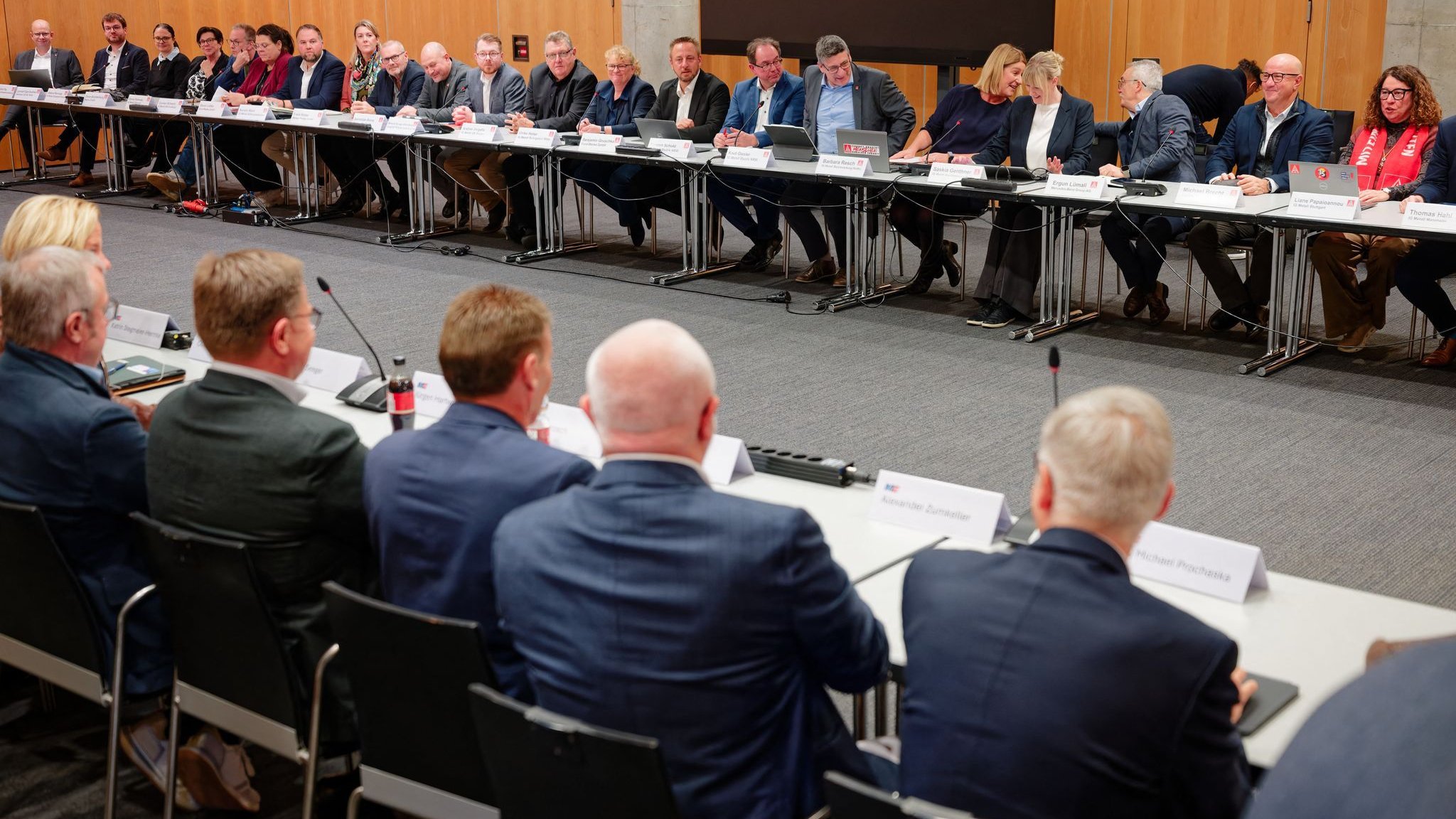
For much of the week, the rhythmic pulse of German industry was interrupted by something far more disruptive than the usual hum of machinery: the sound of organized protest. In a period of intense friction, the metal and electrical sectors—the very backbone of the nation's manufacturing strength—found themselves on the precipice of a much larger confrontation. But by November 26, 2026, the tension broke, replaced by the quiet relief of a settlement. After more than 24 hours of grueling, marathon negotiations, the IG Metall union and employer representatives reached an agreement that promises to stabilize the central pillars of the German industrial sector.
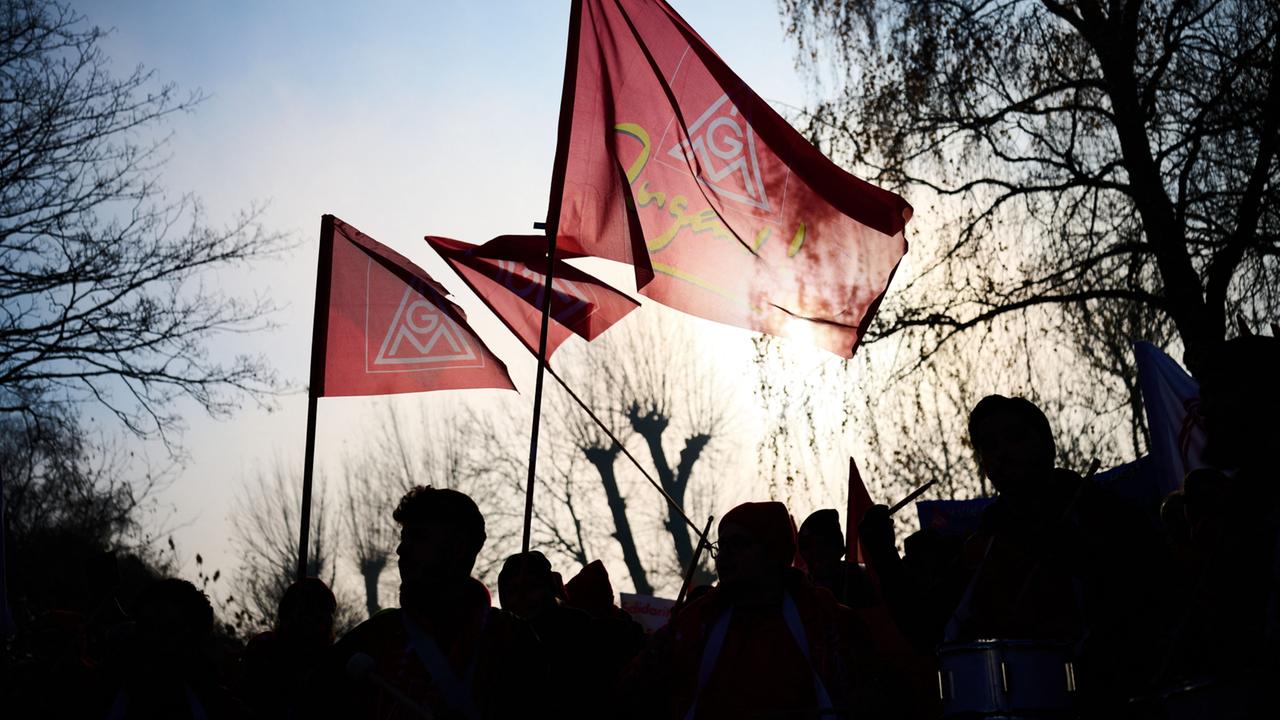
To understand the gravity of the settlement, one must look at the pressure that preceded it. The union did not arrive at the negotiating table from a position of quiet diplomacy; they arrived following a period of significant escalation. For the first time since 2018, IG Metall had called for full-day warning strikes, a move designed to signal that the workforce was prepared for a sustained conflict.
By the Monday preceding the final breakthrough, the scale of the unrest was undeniable. Approximately 340,000 employees, representing more than 240 different companies across Germany, had participated in these strikes. These were not merely symbolic gestures; they were massive, coordinated disruptions that sent a clear message to the industrial leadership about the depth of worker dissatisfaction and the union's willingness to mobilize.
While the negotiations sought a broad consensus, the friction within the employer camp was palpable, most notably represented by the stance of Mercedes-Benz.
The core of the dispute was a fundamental disagreement over the value of labor in an evolving economy. IG Metall entered the fray with a specific, quantifiable demand: a 5 percent wage increase to be implemented over a twelve-month period. For the union, this was the necessary threshold to meet the needs of their members. For the employers, however, the math was viewed through a different lens, one focused on the rising costs of production and the competitive pressures facing German manufacturing.
While the negotiations sought a broad consensus, the friction within the employer camp was palpable, most notably represented by the stance of Mercedes-Benz. The automotive giant has been a vocal critic of the current labor framework, pushing for a fundamental shift in how work is structured. Mercedes-Benz has demanded lower labor costs and, perhaps more significantly, a departure from the 35-hour work week—a standard that has long been a cornerstone of German labor agreements but is increasingly viewed by some industry leaders as a barrier to efficiency.
The final chapter of this conflict began in earnest on Wednesday. At 13:00, the fourth round of negotiations commenced, a session that would eventually stretch into a marathon of endurance. For over 24 hours, negotiators from both sides remained locked in discussions, navigating the fine line between the union's demands for increased compensation and the employers' requirements for cost control. It was a race against time to prevent the warning strikes from evolving into a prolonged industrial standstill.
The settlement reached on November 26, 2026, is more than just a localized victory; it is a strategic attempt to calm the broader industrial landscape. The agreement involves the 5 percent wage increase over twelve months, a deal that carries significant weight if it is extended to other regions through a pilot contract. If this framework holds, it could serve as the blueprint for stability across the central areas of the German industrial sector, potentially preempting similar disputes in neighboring territories.
As the dust settles on the 2026 negotiations, the immediate threat of widespread strikes has been neutralized. The agreement provides a temporary peace, balancing the union's demand for higher wages against the industry's need for predictability. However, the underlying tensions—specifically regarding the length of the work week and the long-term cost of labor—remain central to the conversation of German manufacturing. For now, the machines are running again, but the structural debate continues.