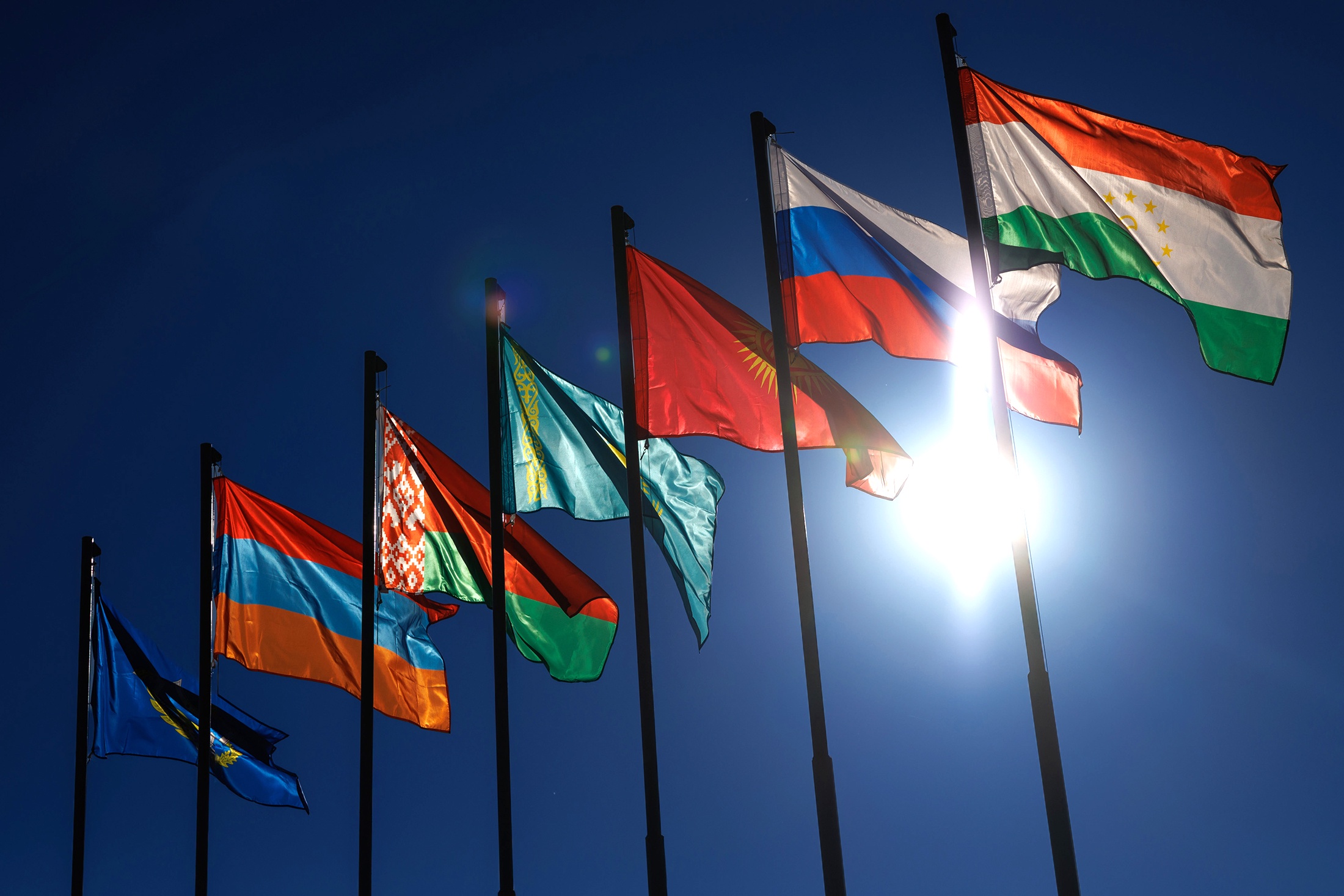
The corridors of the Kremlin are often described as the place where grand strategies are forged, but on November 11, 2026, the conversation centered on a far more mundane, yet equally consequential, issue: an unpaid bill. Russian presidential spokesman Dmitry Peskov stood at the podium to announce that the Security Council of the Collective Security Treaty Organization, commonly known as the CSTO, had made a decision that would silence Yerevan’s voice in the room. It was not a political condemnation or a response to a border skirmish. It was, by the strict letter of the law, a suspension of voting rights driven by a failure to meet financial obligations for several years. For an organization built on the principles of collective defense and mutual guarantee, the silence of one of its founding members is a profound dissonance, and the way this dispute was handled reveals the rigid proceduralism that underpins the group’s current structure.
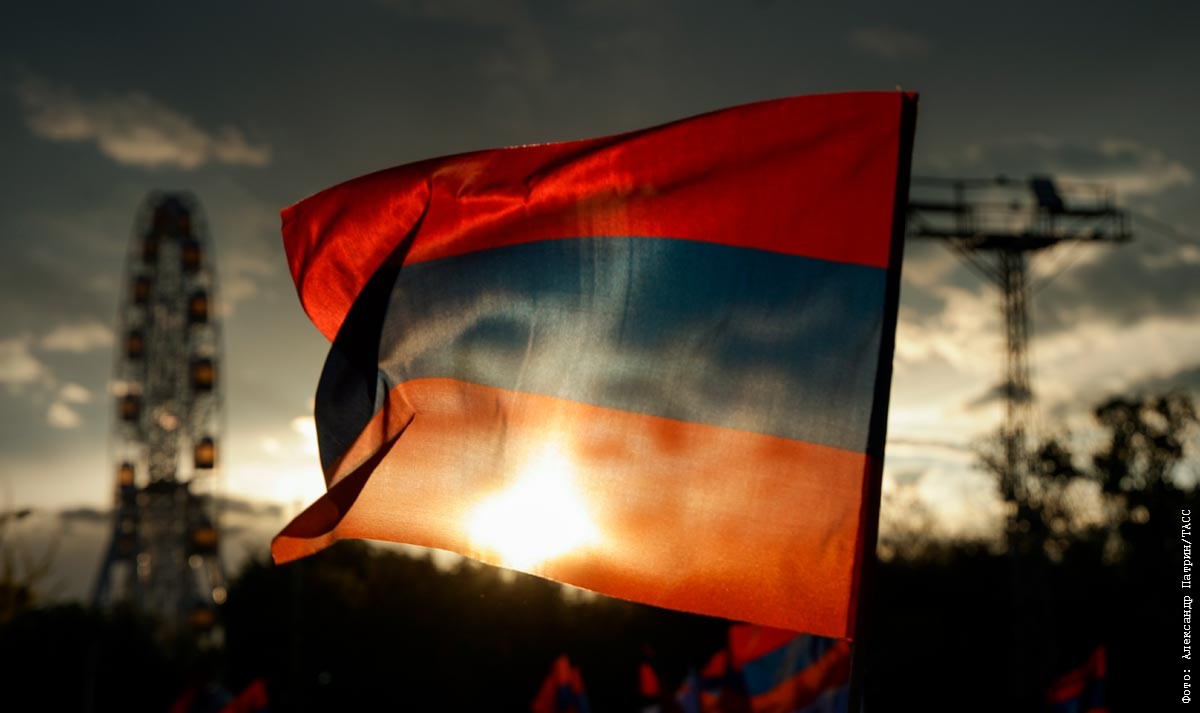
To understand the weight of this decision, it is necessary to look past the geopolitical tension that often surrounds the CSTO and focus on its administrative spine. The CSTO is not merely a loose coalition of like-minded states; it is a treaty-based organization with a charter that functions like a constitution. The suspension of Armenia’s rights was not an ad hoc punishment imposed by a majority vote, but a mechanical trigger. Article 25 of the CSTO Charter sets out the consequences of non-payment. It is a clause that treats membership dues not as optional contributions to a common pot, but as binding contractual obligations. When a member fails to pay, the charter provides a predefined path: the suspension of certain privileges. In this case, the delay lasted more than two years. That duration was long enough to activate the specific protections against financial default outlined in the treaty, leaving the Security Council with little discretion. The decision to suspend was, in a legalistic sense, inevitable once the deadline passed.
Dmitry Peskov, framing the announcement for the public, emphasized the procedural regularity of the move. "In view of the fact that Armenia had not fulfilled its obligations for several years, in accordance with the organization's charter, it was proposed and decided to deprive Armenia of voting rights," he stated. The phrasing is deliberate, anchoring the action in the "organization's charter" rather than in political will. This language signals that the suspension is not a tool of coercion or retaliation, but a standard administrative measure. It strips the event of emotional charge and replaces it with bureaucratic logic. For an outsider, the news might seem abstract—why should unpaid fees matter for security?—but within the CSTO, the ability to vote is the mechanism by which member states approve joint operations, defense budgets, and strategic directions. To be denied that vote is to be excluded from the decision-making heart of the alliance.
To be denied that vote is to be excluded from the decision-making heart of the alliance.
The implications extend beyond the voting booth. Sergey Lavrov, the Russian foreign minister, provided further clarity on the scope of the restrictions, noting that the draft decision also provided for the suspension of the right to nominate citizens of Armenia to quota positions in the bodies of the organization. These "quota positions" refer to key organizational posts, senior roles that allow a member state to shape the internal workings of the alliance. By blocking Armenia’s ability to appoint representatives to these roles, the CSTO effectively freezes Armenia’s influence on the bureaucracy of the alliance. They can still speak as observers or participants in discussions, but they cannot hold office, they cannot cast the decisive votes that shape policy, and they cannot place their people in the seats of power that oversee the group’s operations. This is a comprehensive standstill on Armenian agency within the institution.
However, the story does not end with the suspension of rights; it is balanced by a critical clarification that prevents the measure from becoming a total expulsion. Peskov and the official communications made clear that Armenian representatives would retain the core rights of collective security under the treaty until the debt is settled. This distinction is vital. It means that Armenia is not being locked out of the security umbrella that the CSTO provides. The mutual defense guarantee—the promise that an attack on one is an attack on all—remains in effect. Armenia can still call upon its partners for protection if it faces an external threat. What it loses is its say in the direction of that partnership. It is a passive beneficiary rather than an active architect. This nuance keeps Armenia within the fold, preventing a schism that could destabilize the regional security architecture, while still enforcing financial discipline.
The stance of the Russian leadership remains one of neutral procedure, a reflection of the organizational rather than the personal nature of the dispute. There is no accusation of betrayal or espionage, no narrative of ideological drift. It is a bank balance. For Armenia, the situation is critical, exposing a vulnerability in its diplomatic strategy. The suspension highlights how the CSTO operates as a closed system where financial reliability is a prerequisite for political influence. Until Yerevan settles the arrears, it exists in a state of diminished participation, its voice muted by the very charter that was meant to protect it. The November 11 decision stands as a testament to the rigidity of international institutional law: when the contract is broken by non-payment, the rights attached to that contract follow suit, regardless of the geopolitical complexities that might otherwise surround the members.