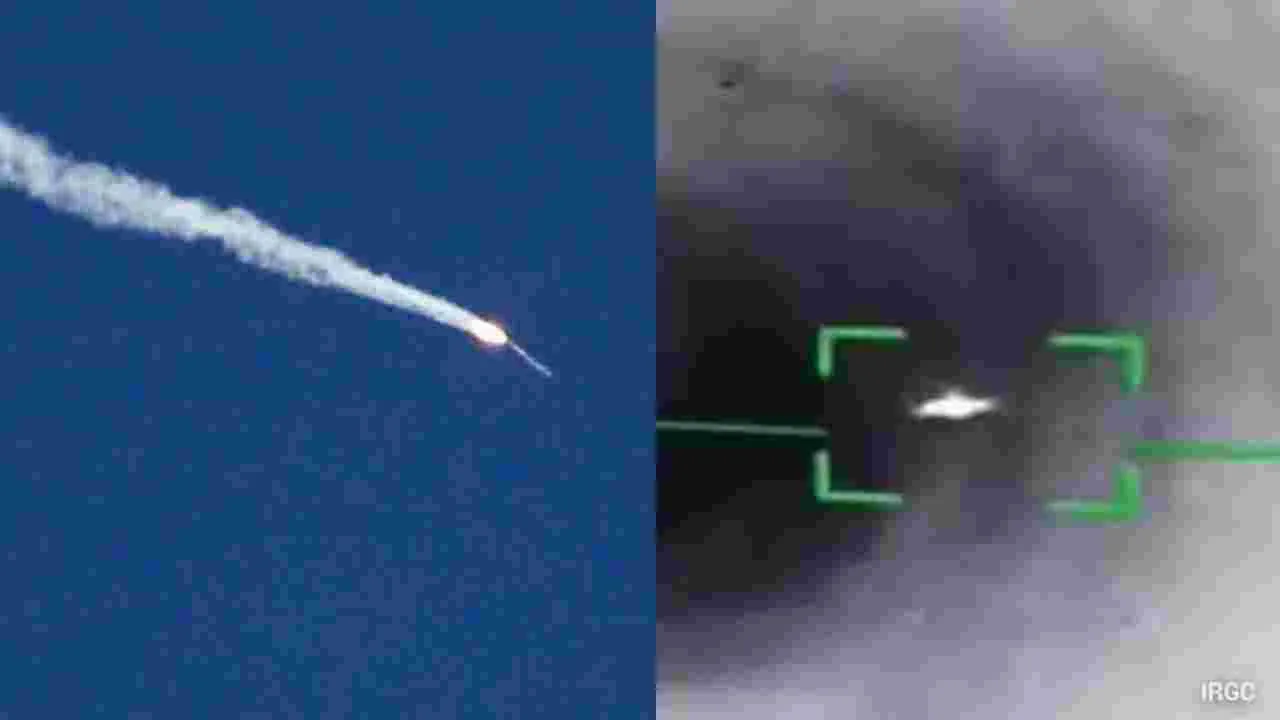
On a Friday evening in the Gulf, the airwaves were suddenly filled with a claim that suggested a major escalation in an already volatile region. Iranian state media reported that the country's air defense systems had successfully targeted a United States F-16 fighter jet. According to the report, the missile strike had damaged the aircraft, forcing the pilot to abort the mission and make an emergency landing at a nearby airport. In the high-stakes theater of Middle Eastern aerial combat, such an event—a direct hit on a primary American combat platform—would signal a profound shift in the rules of engagement.
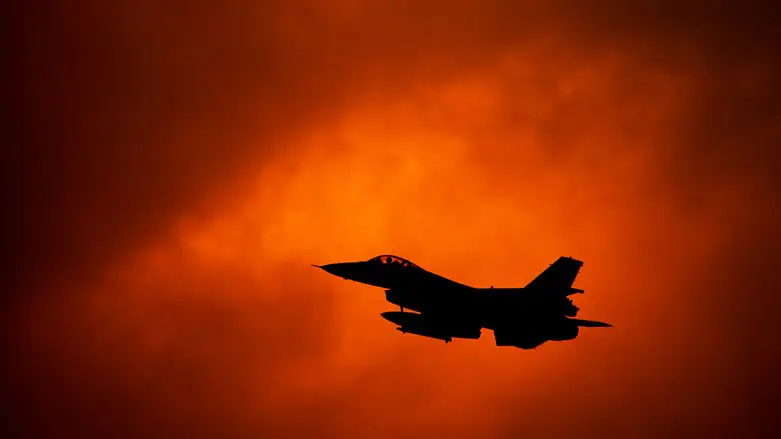
By Saturday, the narrative underwent a swift and categorical correction. U.S. Central Command, the military headquarters responsible for overseeing operations in the Middle East, issued a formal statement to address the claims. The command did not merely offer a nuanced disagreement; it issued a total denial of the event. The military's stance was absolute, aimed at neutralizing the reports that had begun to circulate through Iranian media channels.
To understand the weight of the U.S. military's response, one must look at the precision of their language. CENTCOM did not just suggest the reports were inaccurate; they sought to close the door on the possibility of any engagement. "Iran did not attack a US F-16 fighter aircraft yesterday — at all," the command stated. This level of certainty is designed to project stability and control, particularly when dealing with the psychological dimensions of modern warfare, where claims of successful strikes can be as impactful as the strikes themselves.
military fighter jets currently stationed in the Middle East were safe and accounted for.
Beyond the denial of the specific attack, the U.S. military moved to reassure observers of the operational status of its assets. In a region where the loss of a single high-performance jet can alter strategic calculations, CENTCOM confirmed that all U.S. military fighter jets currently stationed in the Middle East were safe and accounted for. This confirmation serves as a direct counter-narrative to the Iranian claim that an aircraft had been forced into an emergency landing due to combat damage.
This incident does not exist in a vacuum. The denial from CENTCOM follows a recurring pattern of similar claims made by Iran throughout the ongoing conflict. The U.S. military has found itself in a cycle of consistently disputing Iranian accounts of military engagements. These discrepancies create a landscape of information warfare, where the truth of a kinetic event—a missile being fired or a jet being hit—is often obscured by competing official statements.
To grasp why a single disputed missile strike carries such weight, one must look at the broader context of the region. The current war, which erupted in February following attacks on Iran by the United States and Israel, has fundamentally reshaped the Middle East. What began as targeted strikes has expanded into a wide-reaching conflict that has claimed thousands of lives and disrupted the vital arteries of global commerce.
As the conflict continues to ripple outward, the consequences are felt far beyond the immediate combat zones. The instability has led to significant shipping disruptions and has contributed to increased global energy prices, linking the tactical maneuvers in the Gulf to the economic realities of the entire world. While the specific claim of the F-16 strike appears to have been unfounded, the tension that fuels such reports remains a constant, defining feature of the current era.