In the Cotswolds, where rolling hills and historic estates dominate the landscape, there is a presence that is distinctly not of the land: the Allied Rapid Reaction Corps. Based in Gloucester, this British-led NATO corps is a key node in European defense, designed to deploy forces quickly across the continent. For American soldiers, being assigned here is not just a posting; it is a physical symbol of the transatlantic bond. It is a place where trust is the primary currency. On Tuesday, November 10, that currency was suddenly called into question when a 41-year-old United States Army soldier was arrested on suspicion of espionage related to Russia.
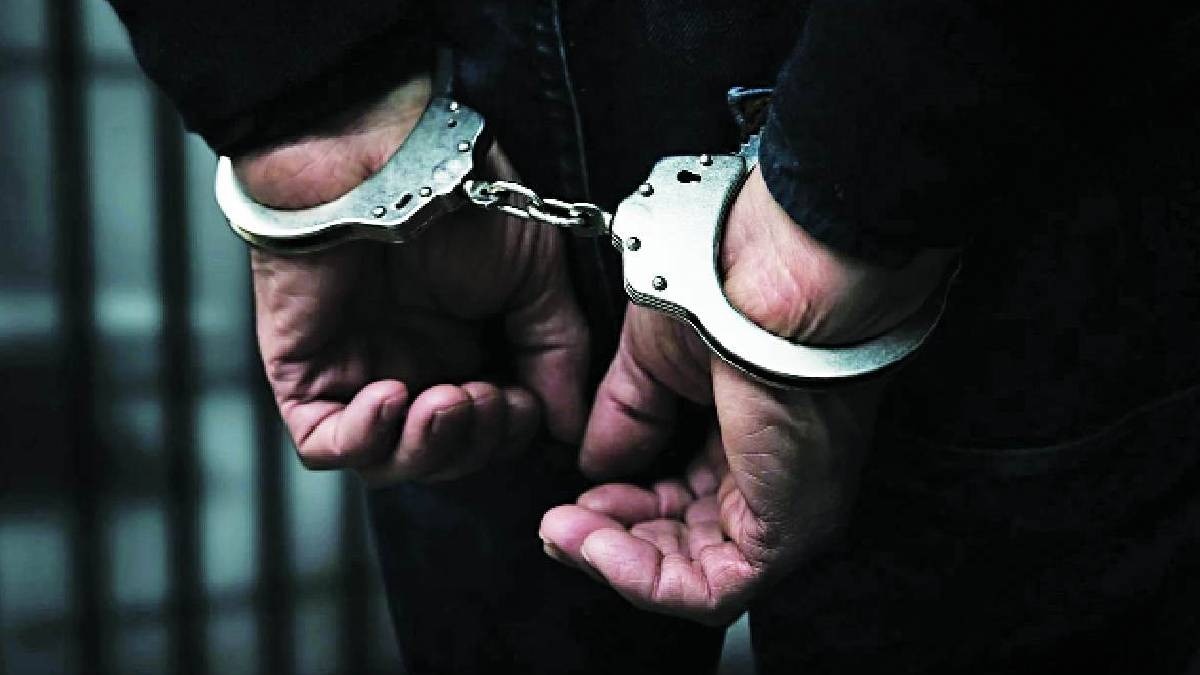
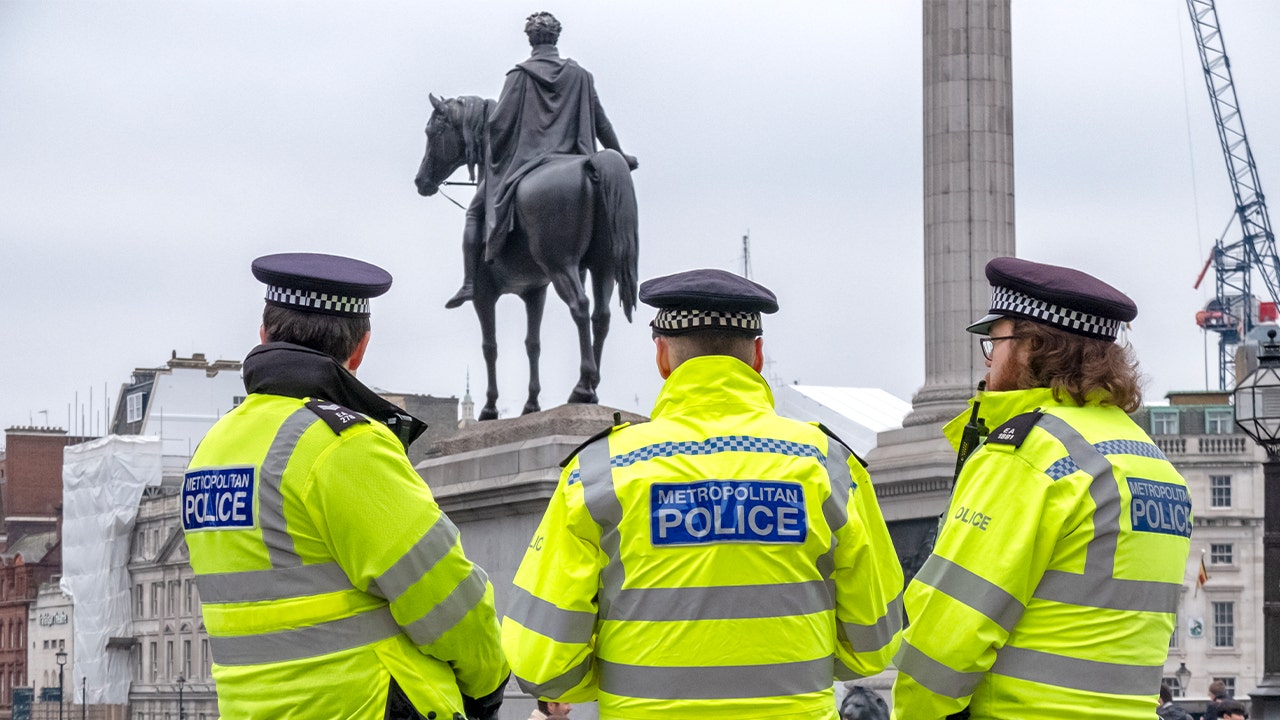
The arrest did not happen in a shadowy basement or a foreign embassy. It happened in the open, near Gloucester, under the joint gaze of British counterterror police and their American counterparts, including the Federal Bureau of Investigation. The soldier is unnamed, a deliberate choice by authorities who are likely protecting ongoing investigative work. He remains in custody at a London police station, a stark distance from his daily duties, his status shifting from trusted ally to suspected enemy in a matter of hours.
To understand the gravity of the situation, one must look at the specific legal framework being invoked. The soldier is suspected of violating Sections 1 and 3 of the UK's National Security Act 2023. This is not a generic charge of misconduct; it is a modernized statute designed to handle the specific complexities of the current intelligence landscape. Section 1 deals with the handling of protected information, while Section 3 concerns assisting a foreign intelligence service.
In the military, the oath is not just a formality; it is the foundation of the relationship between the state and the individual service member.
In plain terms, the accusation is that this soldier may have handed over sensitive data or operational capabilities to the Russian state. This is the definition of espionage. The fact that the UK had to pass a specific act in 2023 to clearly criminalize these acts highlights how quickly the threat environment has evolved. Older laws, written when the Cold War was ending, were not precise enough to catch a modern digital-age spy operating within an allied force. The arrest is a legal as much as a security event, applying a new tool to a new type of threat.
The United States reaction was immediate and personal, coming directly from the top. FBI Director Kash Patel issued a statement that cut through bureaucratic noise. "While this investigation is continuing, I want to send a clear message – this FBI has no tolerance for anyone who breaks their oath to the United States and whose actions endanger our national security and that of our partners," Patel stated.
The phrase "breaks their oath" is central. In the military, the oath is not just a formality; it is the foundation of the relationship between the state and the individual service member. By invoking the oath, the FBI is framing this not just as a crime against the UK, but as a betrayal of the US soldier's fundamental duty. The addition of "and that of our partners" is equally significant. It acknowledges that in an alliance like NATO, a breach of trust by one member weakens the entire structure. The US is not just protecting itself; it is protecting the shared defense architecture that relies on the integrity of individual personnel.
This arrest did not occur in a vacuum. In September 2020, five men were arrested near RAF Fairford, another major base in the region. Though that earlier event involved a different group and was in the context of different investigations, it serves as a reminder that the Cotswolds and its military hubs are not just quiet rural areas; they are sensitive zones where intelligence and counter-intelligence services are actively present.
The juxtaposition of the 2020 arrests and the 2026 arrest of the US soldier suggests a persistent concern about security in this corridor. It indicates that authorities are not waiting for a major breach to happen; they are monitoring, investigating, and arresting based on suspicion. This is the nature of modern counter-espionage: it is less about dramatic, cloak-and-dagger moments and more about a continuous process of monitoring, analyzing, and acting on intelligence. The fact that this soldier was caught highlights the effectiveness of the cooperation between British and US law enforcement agencies.

Senior U.S. Army soldier arrested in U.K. on suspicion of assisting Russian intelligence via /r/army https://t.co/HTFQqAKeCK #army #miltwitter
The soldier was assigned to the Allied Rapid Reaction Corps, a unit that exists to project power and stability in Europe. For him to be suspected of working for Russia, the service the Corps is ostensibly meant to counter, is a profound irony. It raises difficult questions about how such a person could have slipped through background checks, how much access they had to operational plans, and how long they may have been operating undetected.
The framing of the incident as neutral toward Russia and Iran, yet critical of the soldier, reflects a diplomatic reality. The US and UK are not publicly condemning Russia's state apparatus in this specific release; they are condemning the individual's actions. This is a calculated diplomatic choice, allowing the agencies to focus on the criminal act without escalating a state-level confrontation, while simultaneously signaling that their security apparatus is robust and vigilant. The silence from Russia and Iran, as noted in the framing, is telling; it allows authorities to maintain operational security without assigning state-level blame, keeping the focus tightly on the specific actions of the arrested soldier and the integrity of the alliance.