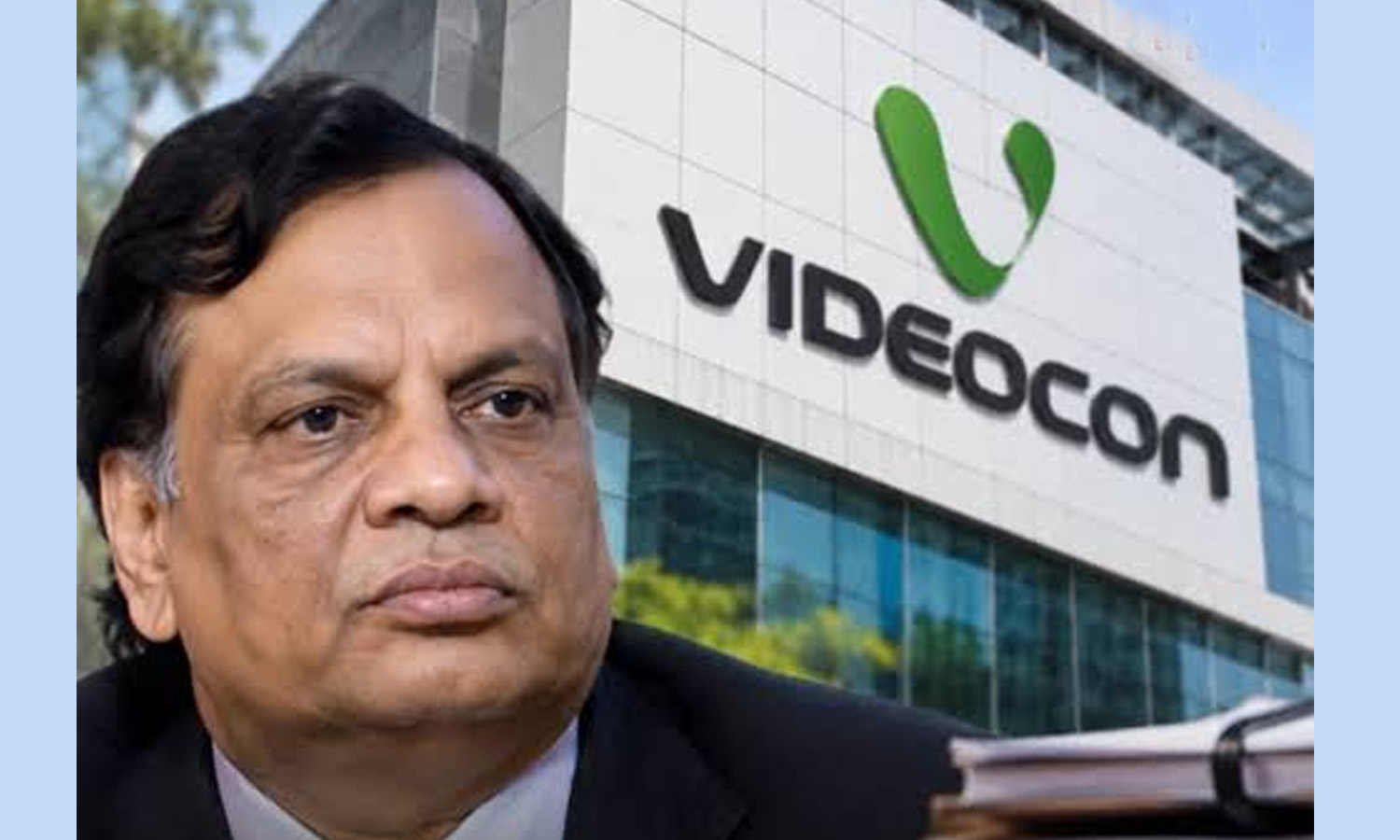
For years, the name Venugopal Dhoot was synonymous with the industrial might of Videocon Industries. As the former promoter and chairman of the conglomerate, Dhoot stood at the center of a sprawling corporate empire. However, the legal architecture that once supported his business dealings has now turned against him. In a decisive move, the Mumbai bench of the National Company Law Tribunal (NCLT) has officially declared Dhoot bankrupt. This ruling marks a significant escalation in a long-standing financial dispute between the industrialist and his primary creditor, the State Bank of India (SBI).
The scale of the financial shortfall is staggering. The State Bank of India, acting as the lead creditor, has initiated these proceedings to recover a total of Rs 12,668.06 crore. This figure, which encompasses the original loan defaults along with accumulated interest and penalties, represents one of the most substantial personal insolvency cases to hit the Indian legal system. The bank’s petition was rooted in the personal guarantees Dhoot had provided to secure loans for his various group companies—a common practice among corporate promoters that effectively ties their personal net worth to the success of their business ventures.
Before the hammer fell, Dhoot attempted to stave off bankruptcy through a formal insolvency resolution plan. He proposed a repayment structure that would have seen him settle Rs 600 crore over a period of 36 months. The cornerstone of this proposal was a real estate project located in Siliguri, which Dhoot intended to leverage to generate the necessary funds. However, the creditors found this offer insufficient to address the massive liability at hand. By rejecting the proposal, the creditors effectively signaled that the proposed recovery was inadequate, leaving the NCLT with little choice but to move from the resolution phase to the bankruptcy phase.
Narayan’s role is critical; he is tasked with the systematic identification and management of Dhoot’s assets.
The transition into full-scale bankruptcy proceedings began in earnest on April 8, 2026, when the NCLT initiated the personal insolvency resolution process against Dhoot. Following the failure of that process, the tribunal issued its formal declaration of bankruptcy on November 1, 2026, a decision that was further solidified by November 6, 2026. This legal shift changes the nature of Dhoot’s relationship with his assets and his creditors, moving from a negotiation-based approach to a court-mandated liquidation process.
To manage the complexities of this transition, the NCLT has appointed Ashish Narayan as the insolvency and bankruptcy trustee. Narayan’s role is critical; he is tasked with the systematic identification and management of Dhoot’s assets. His mandate is clear: he must invite claims from all relevant parties and submit a comprehensive report to the tribunal within 90 days. This report will serve as the roadmap for how the available assets will be distributed among the creditors, ensuring that the process follows the strict guidelines set out by the bankruptcy code.
Under the current legal framework, the bankruptcy proceedings are not merely a punitive measure but a structured process governed by law. Dhoot is now required to submit a full statement of his financial position to the bankruptcy trustee. This transparency is a mandatory requirement for anyone undergoing such proceedings. The legal process will remain active until Dhoot is officially discharged under Section 138 of the Code. Until that discharge is granted, his financial affairs will remain under the oversight of the court and the appointed trustee, marking a somber end to his tenure as a major corporate promoter.