
On November 26, 2026, the landscape of the global semiconductor trade shifted under the weight of a new directive. Nvidia Corp., the titan of the artificial intelligence era, issued instructions to its key manufacturing and distribution partners—including industry giants Dell and Super Micro Computer—to cease the shipment of servers equipped with its specialized chips to four specific Southeast Asian nations: Malaysia, Singapore, Thailand, and Indonesia. This was not merely a logistical adjustment; it was a strategic retreat from a region that has become a critical node in the global technology supply chain.
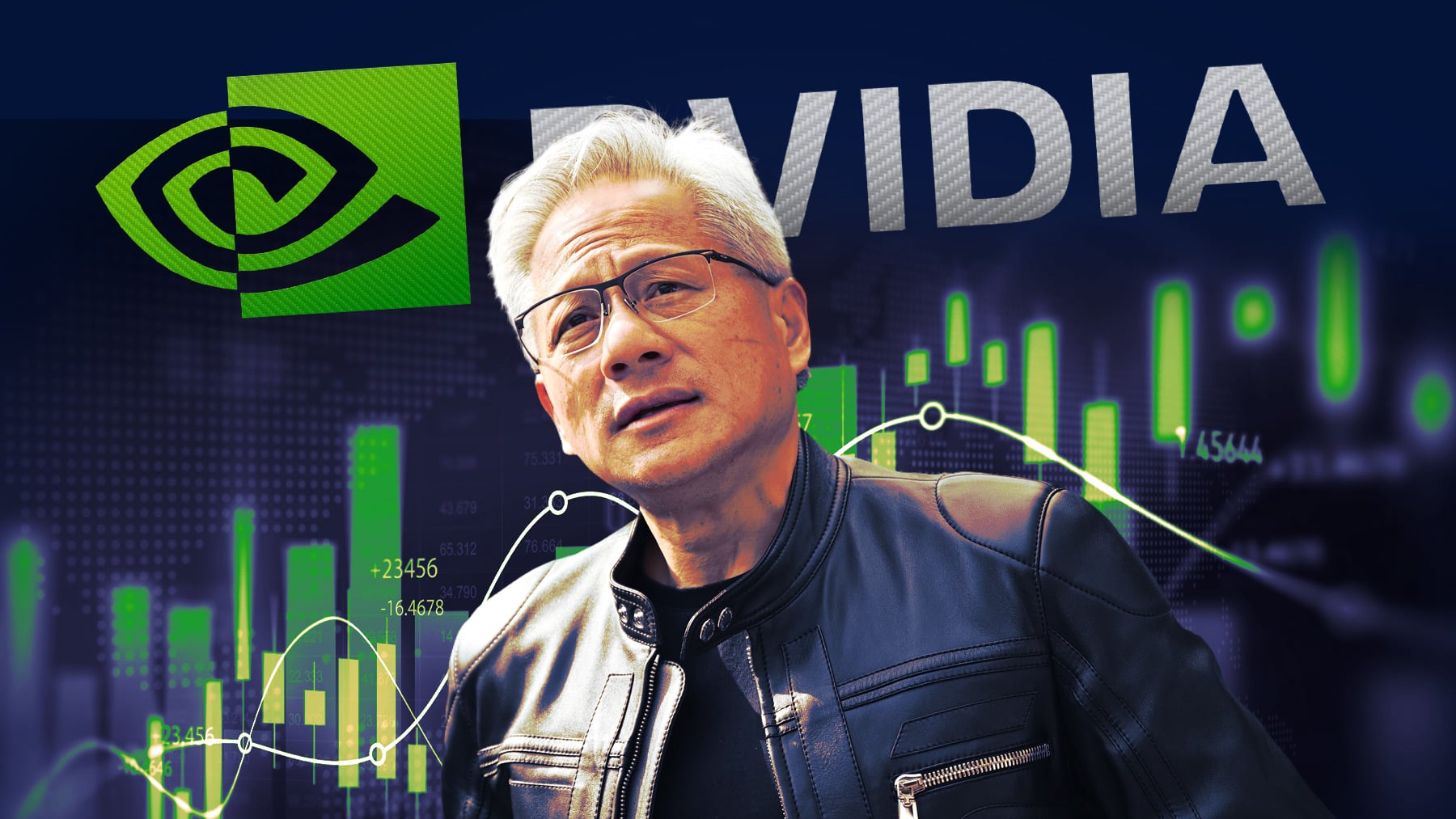
For years, the flow of high-end computing power has followed established routes, but as the geopolitical stakes of artificial intelligence have risen, those routes have come under intense scrutiny. The sudden halt in shipments signals a growing recognition that the boundaries between global commerce and national security are becoming increasingly blurred, particularly when the commodity in question is the very engine of future intelligence.
To understand why Nvidia would abruptly turn away from established markets in Southeast Asia, one must look toward the north. U.S. authorities have grown increasingly concerned that the region is being utilized as a transit point for a sophisticated smuggling operation. The suspicion is that Chinese companies are leveraging partners within Malaysia, Singapore, Thailand, and Indonesia to bypass existing restrictions, gaining access to the massive computing resources required to train advanced AI models.
The removal of these licenses creates a higher barrier to entry, requiring more rigorous oversight and documentation.
In the world of high-stakes technology, a server is more than just hardware; it is a gateway to computational dominance. If Chinese firms can acquire these servers through third-party intermediaries in Southeast Asia, the effectiveness of U.S. export controls is significantly diminished. The move by Nvidia suggests that the company is aligning itself with the reality that the digital frontier is no longer a free-for-all, but a contested space where every shipment must be accounted for.
The timing of Nvidia's decision is not coincidental. It follows closely on the heels of a significant regulatory shift. On the same day, November 26, 2026, the U.S. Department of Commerce introduced new export rules designed to tighten the net. These new regulations specifically targeted a mechanism that had previously allowed certain Chinese chip developers to access production services without the need for separate, individual licenses.
By removing this streamlined access, Washington has signaled its intent to leave no stone unturned in its effort to restrict the flow of advanced semiconductors. The removal of these licenses creates a higher barrier to entry, requiring more rigorous oversight and documentation. For a company like Nvidia, which operates at the center of this technological storm, complying with these evolving standards means preemptively cutting off channels that might be deemed high-risk by the U.S. government.
The complexity of this issue is further illustrated by the intricate web of corporate and intelligence connections that span the globe. Investigations have pointed toward specific entities, such as Megaspeed, a company registered in Singapore, which has come under suspicion. Reports suggest that Megaspeed may have been collaborating with Chinese intelligence, adding a layer of national security concern to what might otherwise look like standard commercial activity.
This web is not just composed of faceless corporations, but of individuals whose professional histories intersect with the very heart of the AI industry. The mention of Alice Huang, who worked at Megaspeed, and the reported relationship between the company and Nvidia CEO Jensen Huang, underscores how deeply personal and interconnected these global networks can be. When a company in Singapore is suspected of ties to intelligence services, the entire supply chain—from the designer in California to the server assembler in Southeast Asia—becomes a matter of intense scrutiny.
As it stands, the era of frictionless semiconductor movement appears to be drawing to a close. The directive issued by Nvidia to Dell and Super Micro Computer represents a proactive stance in a landscape defined by suspicion and tightening controls. By halting shipments to Malaysia, Singapore, Thailand, and Indonesia, Nvidia is navigating a narrow path between maintaining its global market presence and adhering to the increasingly stringent demands of U.S. export policy.
The standoff is no longer just about who can build the fastest chip, but about who can control the path those chips take to reach their destination. As the U.S. Department of Commerce continues to refine its rules, the tech industry must prepare for a future where the geography of innovation is dictated as much by policy and intelligence as it is by engineering and demand.