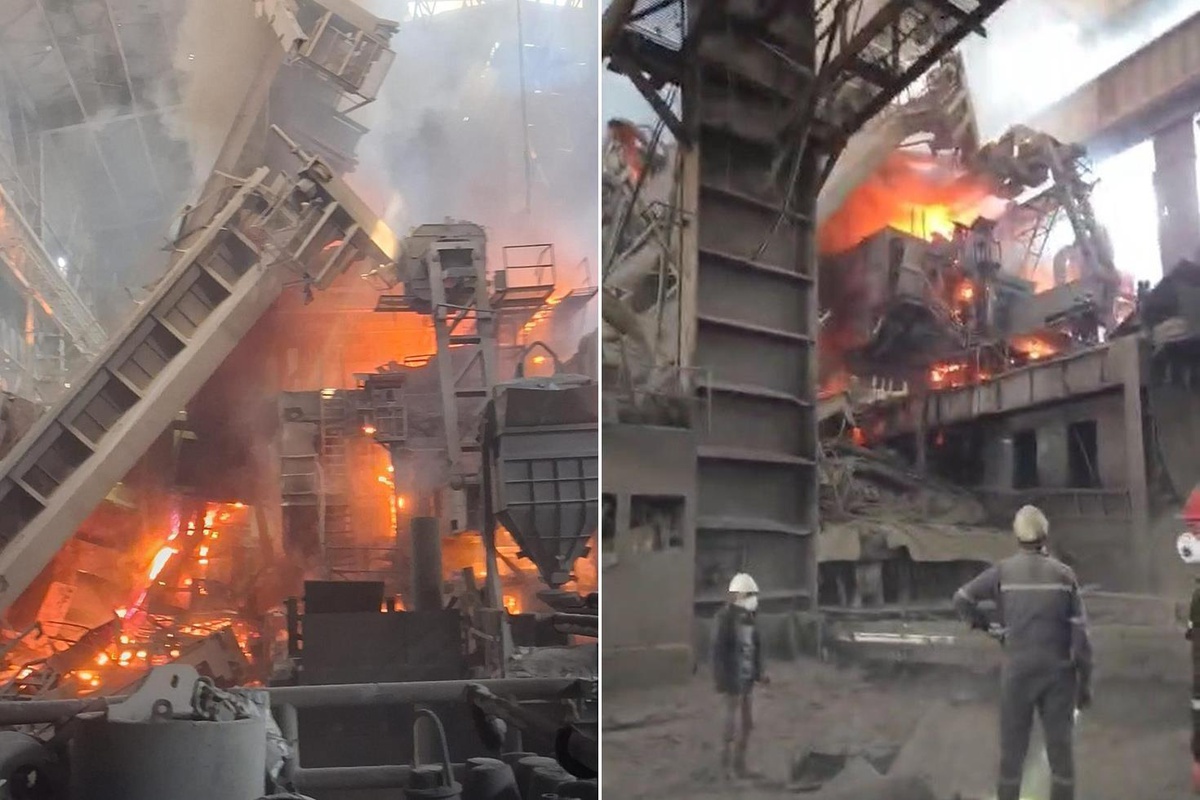
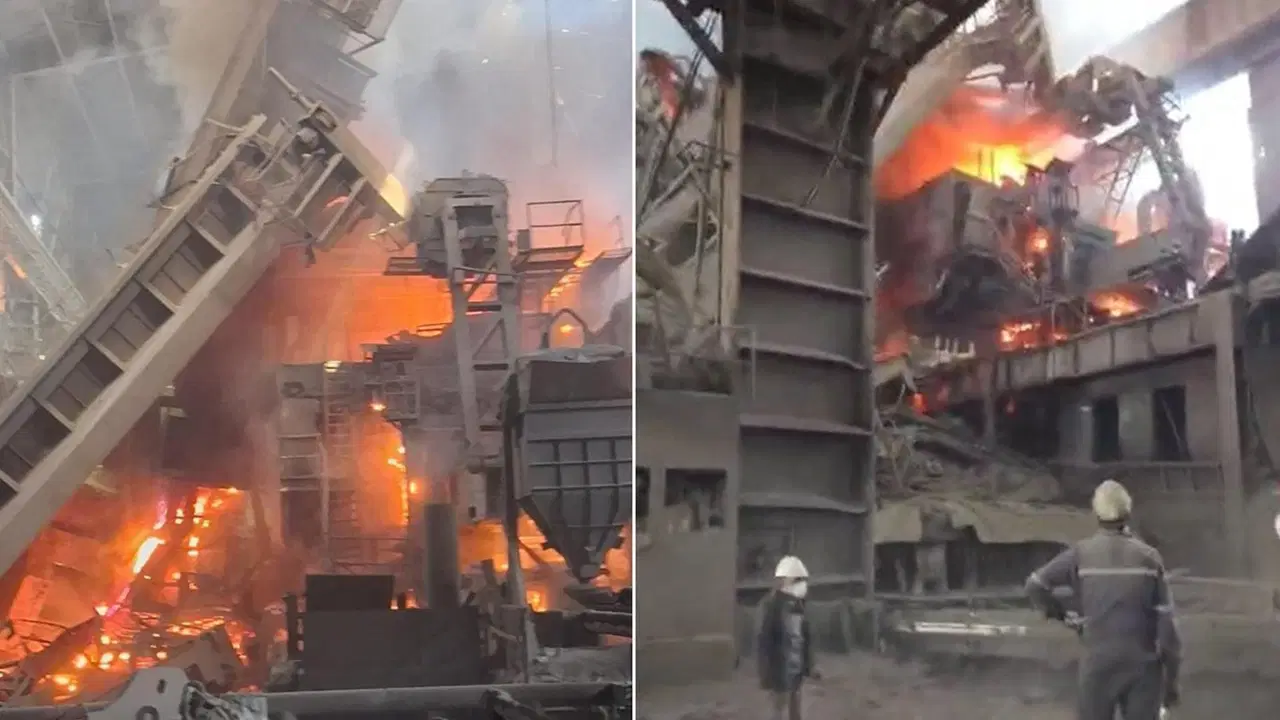
On the morning of November 9, 2026, an explosion tore through the HABAŞ carbon‑dioxide filling plant in the Aliağa district of İzmir. The force of the blast reduced sections of the iron‑and‑steel factory to rubble, killing 16 workers, severely injuring two, and wounding 13 others. Five people were detained in the aftermath, and the casualty figures were later confirmed by President Recep Tayyip Erdoğan.
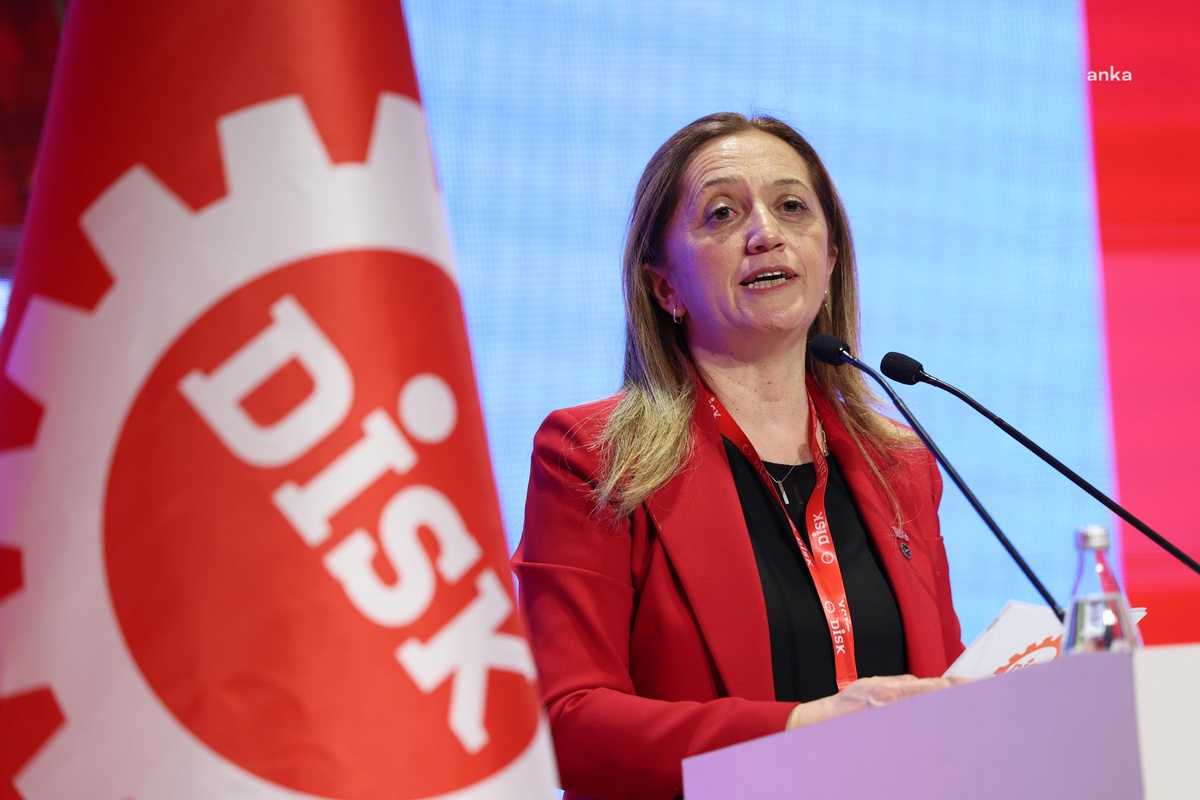
Hours after the blast, Arzu Çerkezoğlu, general secretary of the Confederation of Trade Unions of Turkey (DISK), took to social media to express solidarity with the victims. "We offer our condolences to the families of the deceased worker brothers, and we wish a speedy recovery to the injured," she wrote. "Worker deaths that could have been prevented but were not, which were evident to everyone, are murder and not an accident." The DISK leadership pledged to monitor the investigation, insisting that anyone found negligent or responsible must be held to account.
Later that same day, the Aliağa Peace Criminal Judgeship, acting on a request from the Aliağa Chief Public Prosecutor's Office, imposed a publication ban on all media coverage of the incident. Citing Article 3/2 of Press Law No. 5187, the court warned that any news, interviews, criticism, or commentary risked spreading misinformation and hampering the investigation. The ban remained in effect until the probe concluded.
Five individuals were detained, though their specific roles remained under investigation.
The explosion quickly became a flashpoint for broader critiques. The left‑wing Sol Parti declared the event a "worker massacre," arguing that "the responsibility lies with the capitalist system that devalues labor and reduces human life to profit calculation." Its statements named patrons and the AKP government as those who "turn a blind eye to safety." The organization also demanded that "reasons for the explosion be investigated from every angle and that perpetrators and the negligent be brought into the open."
The human toll was stark: 16 lives lost, two severe injuries, and 13 others treated for wounds. Five individuals were detained, though their specific roles remained under investigation. President Erdoğan’s public confirmation of the death toll lent official weight to the numbers.
DISK vowed to follow the process until those responsible were identified, while Sol Parti insisted that the "capitalist system" and the AKP government bore ultimate responsibility for failing to enforce safety measures.
As the investigation proceeds, the publication ban will remain in force until the court lifts it, leaving a vacuum filled by statements, social‑media posts, and organized demands for justice. The families of the deceased await answers, the trade‑union movement pledges vigilance, and political actors continue to leverage the incident to advance their agendas.