
In the delicate, high-stakes theater of international diplomacy, momentum is everything. Negotiations are rarely a straight line; they are a series of rhythmic movements, a back-and-forth between mediators, diplomats, and state actors attempting to find common ground in an often hostile landscape. But on November 8, 2026, that rhythm was abruptly broken.
Previously, the flow of mediators—those essential third-party actors who facilitate communication between conflicting powers—was a constant presence. However, the recent American political shift has acted as a sudden brake on this process, leaving a vacuum where there was once active movement.
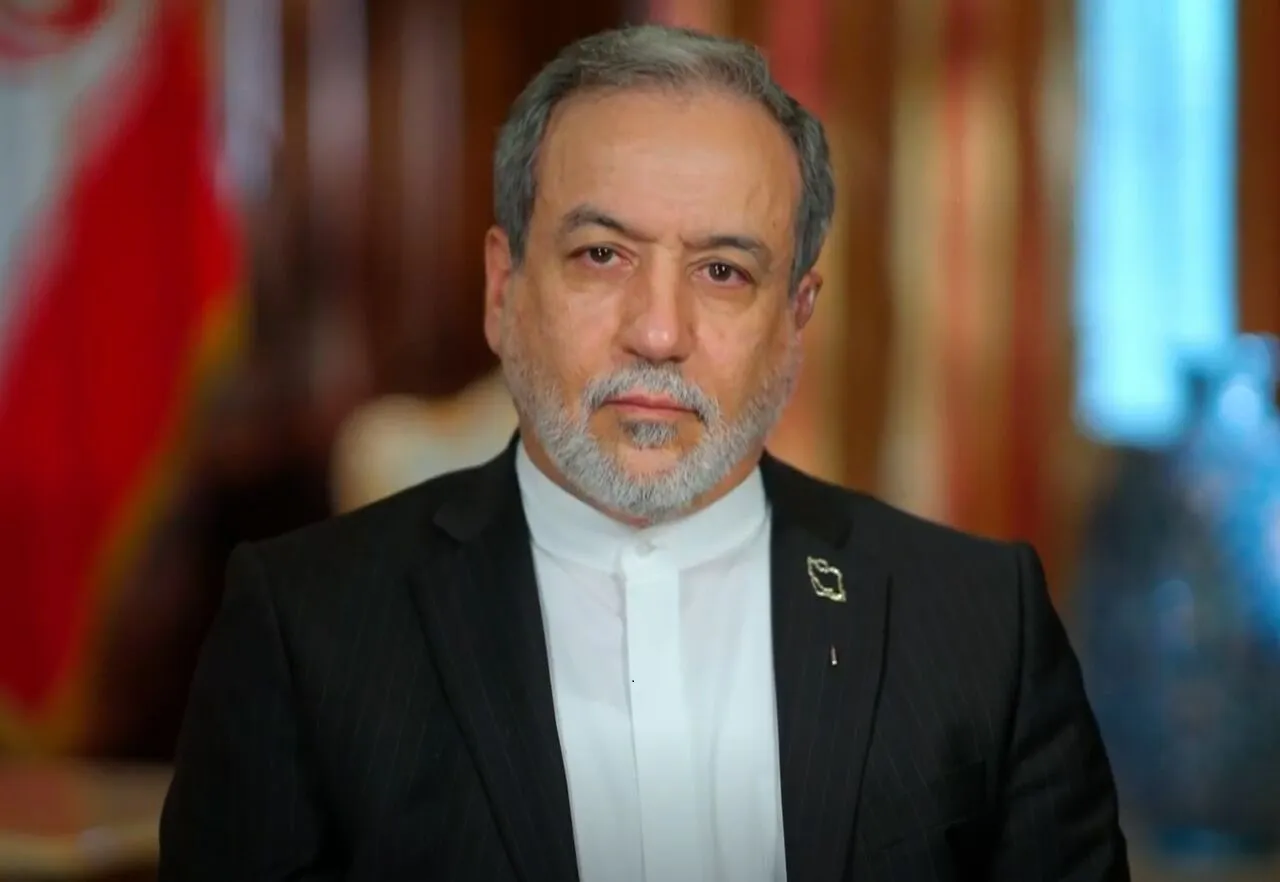
Abbas Araghchi, Iran's Foreign Minister, offered a direct assessment of the current state of affairs. Speaking in an interview with IRIB, Araghchi identified the primary cause for this diplomatic pause. The election results in the United States have fundamentally unsettled the participants involved in the ongoing negotiation processes.
Araghchi has characterized the current moment as one of necessary stasis.
"For a few days, there has been no movement, and the main reason is these US election results which have ultimately shocked everyone," Araghchi noted. This "shock" implies a period of profound uncertainty where the very actors tasked with mediating between nations are pausing to reassess their positions, their mandates, and the stability of the landscape they inhabit.
Araghchi has characterized the current moment as one of necessary stasis. The international community, he suggests, is currently in a state of digestion, attempting to process the implications of the American electorate's decision.
This is not merely a matter of waiting for a new administration or a new legislative reality to take shape; it is about the psychological and strategic recalibration of the mediators themselves. The people and institutions that facilitate these talks must now determine how the new American political reality will influence their ability to act, their credibility, and the very terms of the negotiations they oversee. Until that clarity emerges, the diplomatic path remains obscured.
As it stands, the diplomatic machinery is in a state of suspended animation. Araghchi has urged patience, acknowledging that the transition from shock to action will take time. The conditions required for mediators to resume their vital work have not yet materialized.
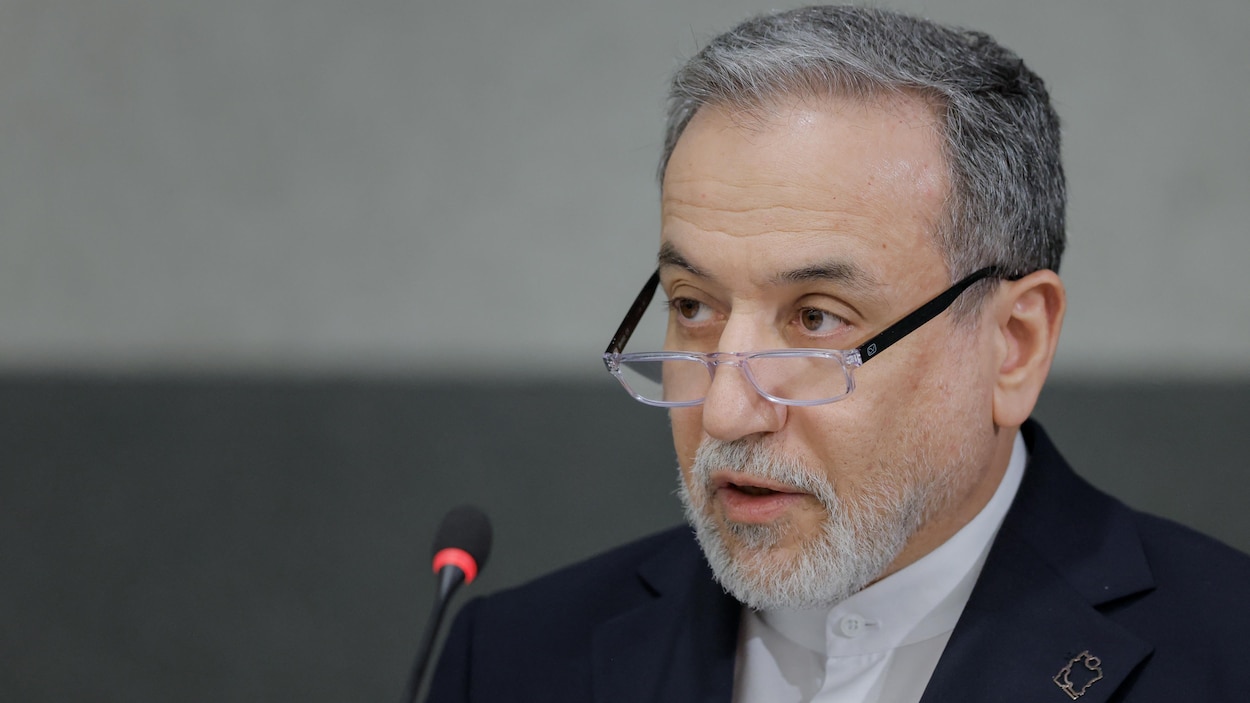
"We must see when they can digest these results and how we should proceed on this path," Araghchi said, framing the current impasse as a period of observation. The international community needs time to digest the election outcomes before proceeding with the diplomatic path, as conditions must become favorable for mediators to resume their work.