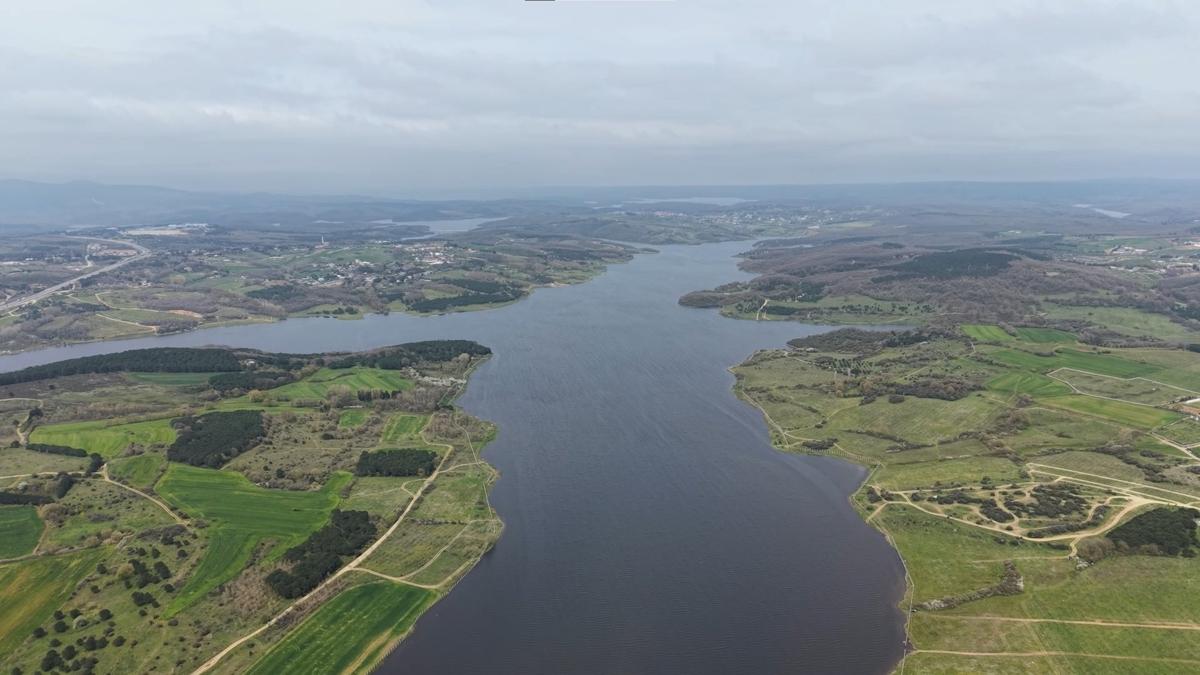
For any sprawling megacity, the daily rhythm of life relies on an invisible, ceaseless current: the water flowing from the tap. When autumn arrives in a historic metropolis like Istanbul, bridging two continents and millions of lives, the eyes of the city inevitably turn upward. The skies have finally answered, bringing a sequence of heavy rains that have begun to alter the landscape of the city's vital water reserves.
The transformation taking place across the region's basins is captured in the meticulous record-keeping of the Istanbul Water and Sewerage Administration, known locally as İSKİ. The municipal institution monitors the daily health of the water infrastructure that sustains the urban population. According to data released by the administration, the general average occupancy rate of the ten main dams supplying the city's water needs climbed significantly in a matter of weeks. What was once a more precarious level has steadily improved as seasonal precipitation finally reaches the catchment areas.
A closer look at the municipal records reveals just how quickly the weather can shift the fortunes of a water network. Data compiled by the water administration shows that the city's overall dam occupancy rate stood at 54.75 percent on November 4. Just over a week and a half later, as the heavy rainfall continued to feed the surrounding basins, that figure rose to 61.06 percent by November 17. This upward momentum has injected a much-needed sense of security into the water reserve situation, turning the page on drier preceding days.
Yet, averages can often mask a more complex reality on the ground, and Istanbul's water network is a study in contrasts.
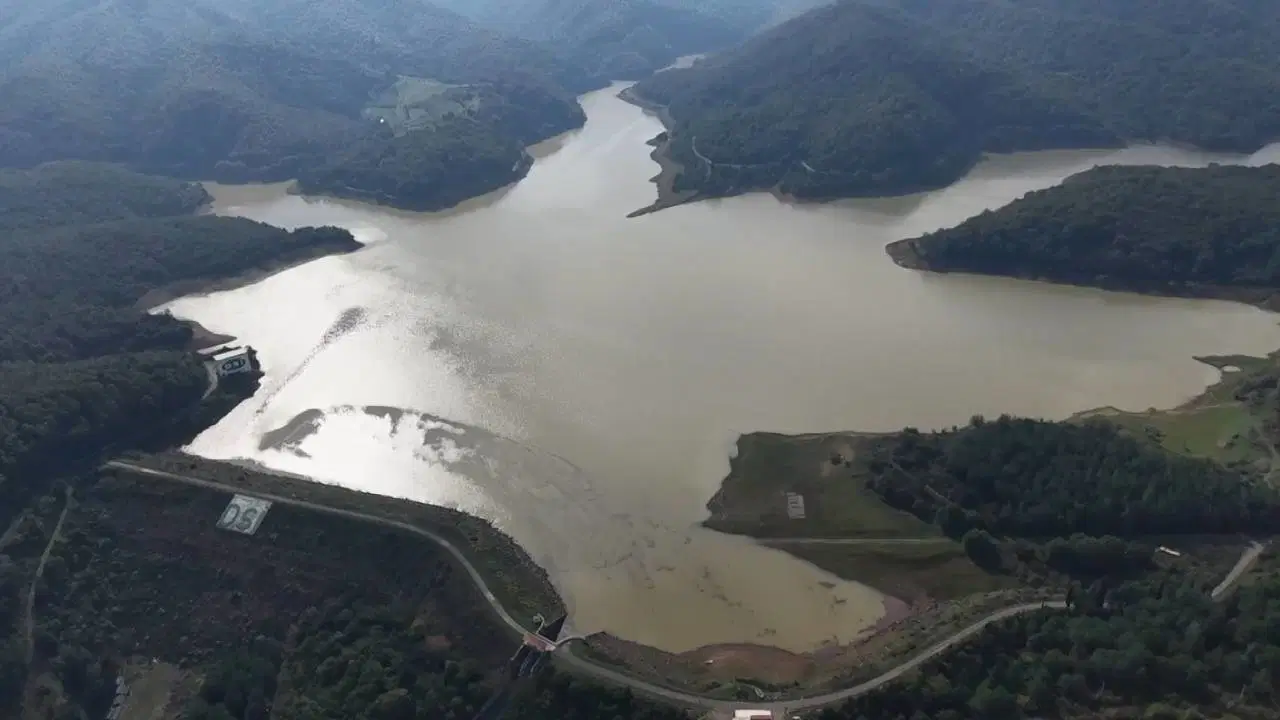
Yet, averages can often mask a more complex reality on the ground, and Istanbul's water network is a study in contrasts. While the general average rests comfortably above the sixty percent mark, individual reservoirs tell wildly different stories. The highest water levels across the entire system were recorded at the Darlık Dam, where the occupancy surged impressively to 90.45 percent, standing as a robust pillar of the city's liquid wealth. At the other end of the spectrum, however, smaller or more vulnerable basins face a starkly different environment, highlighting the uneven distribution of the region's water resources.
While some basins thrive under the autumn skies, others struggle to retain vital moisture. The administration's detailed breakdown highlights the precarious conditions at the lower end of the capacity scale, where reservoirs like Kazandere and Pabuçdere recorded occupancy levels at 11.7 percent and 7.06 percent, respectively. These disparate figures underscore the ongoing challenge of managing a vast hydraulic network where individual geographic basins respond uniquely to seasonal weather patterns, leaving certain sectors of the infrastructure heavily reliant on future downpours to recover from depleted states.
Amidst these variations, the backbone of Istanbul's water supply continues to perform with remarkable resilience. Major reservoirs distributed across the megacity play a central role in maintaining the overall average. These key infrastructure assets work together to anchor the city's reserves as the water administration monitors the daily fluctuations brought by the autumn weather.
As the water reserves settle at a general average occupancy rate of 61.06 percent, the city finds itself in a position of cautious optimism. The transition from dry conditions to steady autumn rains has provided a vital buffer for the urban population, proving how swiftly the natural environment can alter the fortunes of a modern metropolis. Yet, with individual reservoirs remaining starkly divided between abundance and scarcity, the overarching reality of water management in the region remains a delicate, ongoing endeavor.