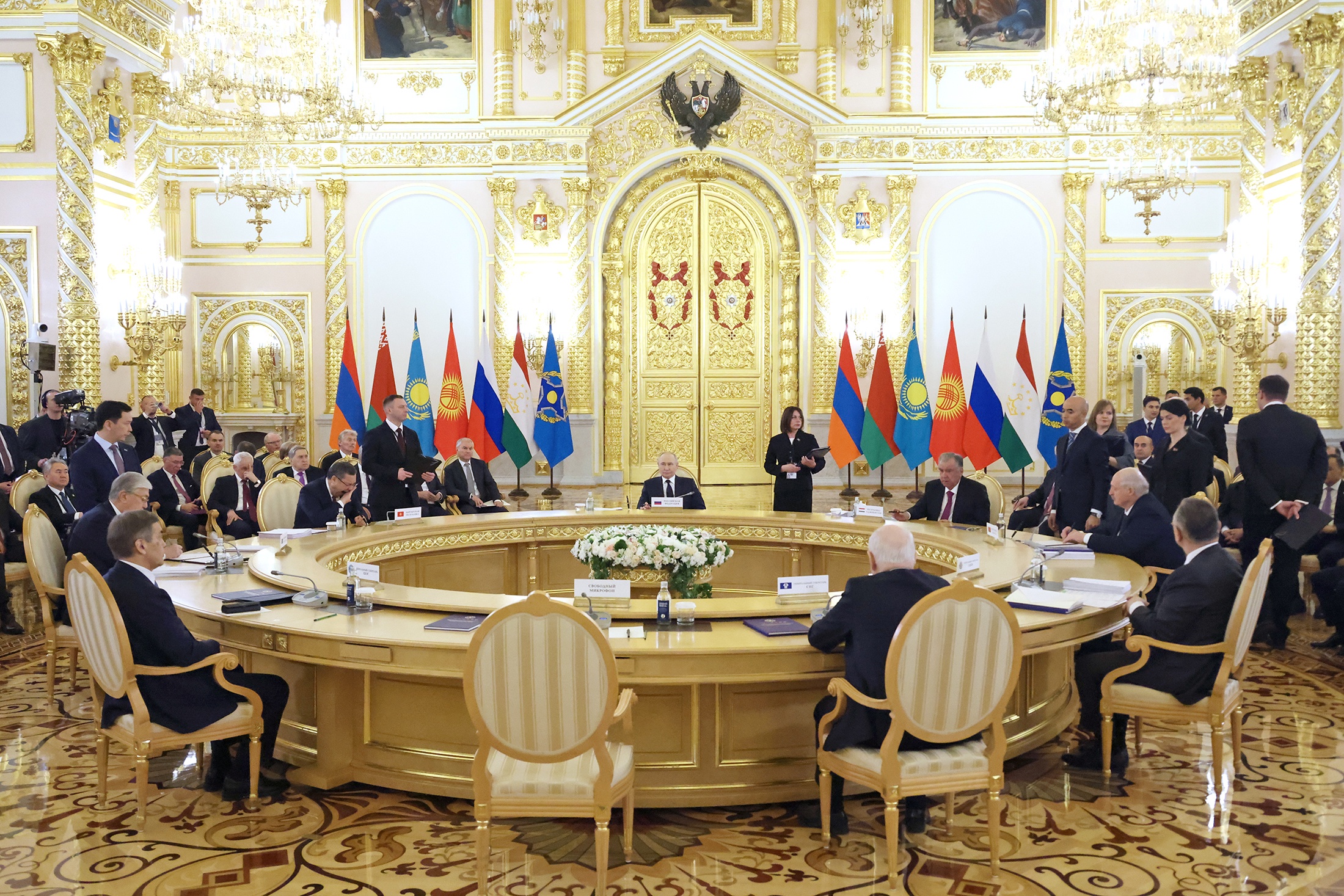
In a significant move that reshapes the security landscape of the Caucasus region, the Collective Security Treaty Organization has made the decision to strip Armenia of its voting rights and its ability to appoint representatives to key positions within the bloc. This action, announced on November 11, 2026, represents a dramatic escalation in tensions between Armenia and the security alliance led by Russia.

According to Dmitry Peskov, the Kremlin's official spokesman, the decision was not taken lightly. "Given that Armenia has failed to fulfill its obligations for several years, and in accordance with the organization's charter, it was proposed—and subsequently decided—to strip Armenia of its voting rights, as well as its right to appoint representatives to key positions within the CSTO," Peskov stated. This explanation places the responsibility squarely on Armenia, suggesting a pattern of behavior that has finally prompted decisive action from the alliance.
The Collective Security Treaty Organization functions as a military alliance of several post-Soviet states, with Russia being the dominant power. Established with the goal of ensuring collective defense and security, the CSTO operates under a charter that outlines member obligations and consequences for non-compliance. By removing Armenia's voting rights and representation, the organization is essentially isolating Armenia within its own framework, sending a clear message about the seriousness with which it views member commitments.
This suggests that the decision was not arbitrary but followed established protocols within the alliance.
Armenia's relationship with the CSTO has been complex, particularly given its ongoing security concerns with neighboring Azerbaijan and its historical ties to Russia. The bloc's decision to strip Armenia of its privileges suggests that whatever obligations Armenia has failed to meet are considered fundamental to the alliance's functioning. This development places Armenia in a precarious position, potentially weakening its security guarantees at a time when regional tensions remain high.
The CSTO charter, which serves as the organization's foundational document, apparently contains provisions that allow for such disciplinary actions when members fail to fulfill their obligations. While the specific nature of Armenia's failures remains unspecified in the announcement, the fact that the action was taken "in accordance with the organization's charter" lends it an air of procedural legitimacy. This suggests that the decision was not arbitrary but followed established protocols within the alliance.
The removal of Armenia's voting rights and representation in key CSTO positions represents a significant shift in regional security dynamics. It raises questions about the future of Armenia's participation in the alliance and potentially creates a vacuum that other regional powers might seek to fill. For the CSTO, this action serves as both a punishment for Armenia and a warning to other member states about the consequences of failing to meet their obligations within the collective security framework.
As of November 2026, Armenia stands diminished within the CSTO structure, its influence curtailed by this disciplinary action. The organization has made clear that Armenia's obligations remain unfulfilled, with no indication from either side about how or when Armenia might address the issues that led to this unprecedented decision.