
In the vibrant capital of Cambodia, the 18th Francophonie Summit unfolded with the usual pageantry of heads of state and dignitaries celebrating the French language's global reach. But beneath the surface of this October 6, 2024, gathering in Phnom Penh, a storm was brewing—one that threatens to tear apart the very organization meant to unite French speakers worldwide. At the center of the brewing crisis: a bitter diplomatic standoff between the Democratic Republic of Congo and Rwanda, with the future of the Organisation Internationale de la Francophonie hanging in the balance.
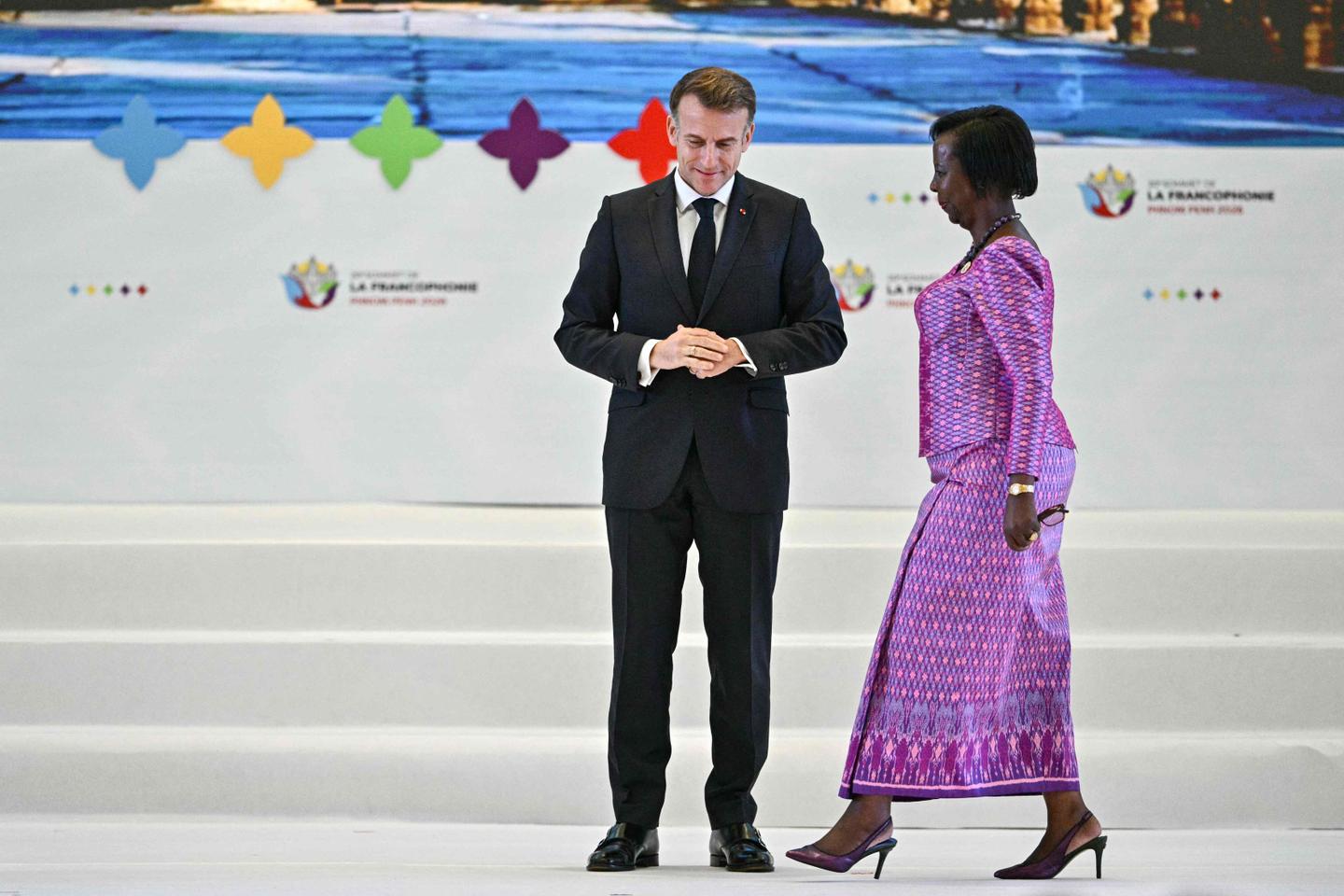
The Francophonie, with its 90 member states and governments, represents one of the world's largest linguistic communities. More than 57.3 million French speakers call the Democratic Republic of Congo home, making it the largest Francophone nation in Africa, where fully 65 percent of the world's French speakers reside. This linguistic unity has long been a source of soft power and cultural connection across continents, but now it's becoming a source of profound division.

📽WATCH: "We must ensure that we preserve what makes [the Francophonie] strong, namely its unity." French President Emmanuel Macron has called for "unity" and "consensus" within the Francophonie amid tensions between Rwanda and the Democratic Republic of the Congo over the election of the OIF's next secretary-general. Speaking at the OIF summit in Cambodia, Macron urged member states to preserve the organisation's unity. #UkweliNews @OIFrancophonie ✏ @arnoldcy_ https://t.co/xp0UFbqPLU
The DRC's objection stems from a serious allegation: that Rwanda has been supporting the M23 rebellion, a militant group operating in the eastern regions of Congo. This accusation has created an unbridgeable rift between the two neighboring nations, with the DRC viewing Mushikiwabo—herself a former Rwandan foreign minister—as unacceptable to lead an organization it remains part of.
While Rwanda remains firmly behind Mushikiwabo's candidacy, the DRC has thrown its support behind Romanian candidate Dacian Ciolos.
What should have been a routine leadership transition has become a high-stakes diplomatic chess match. While Rwanda remains firmly behind Mushikiwabo's candidacy, the DRC has thrown its support behind Romanian candidate Dacian Ciolos. This has complicated the election process, leaving the organization at a crossroads. The DRC's position is clear: either Mushikiwabo goes, or they go.
Amid the escalating tensions, French President Emmanuel Macron has emerged as a voice calling for calm and consensus. "Nous devons veiller à préserver ce qui fait sa force, à savoir son unité," Macron stated, emphasizing the need to preserve what makes the organization strong—namely, its unity. Canada has joined France in pushing for a negotiated solution, recognizing that a split in the Francophonie would weaken the organization's global influence at a time when linguistic and cultural blocs are increasingly important on the world stage.
As the summit continues, the question remains whether diplomatic compromise can be achieved or whether the organization will face an unprecedented schism. The stakes are high: a divided Francophonie would represent a significant setback for French-language diplomacy and cultural exchange, particularly in Africa where the organization's influence is strongest. The coming days will determine whether the French-speaking world can overcome its internal divisions or whether linguistic unity will give way to political fracture.