
The Turkish side edged the Israeli club 2‑1, a result that, on its own, would have been celebrated in the usual post‑match chorus of cheers and tactical analysis. Yet the victory was immediately shadowed by a confrontation between Beşiktaş supporters and Georgian police, a clash that would color the narrative of the night and give the win a political hue.
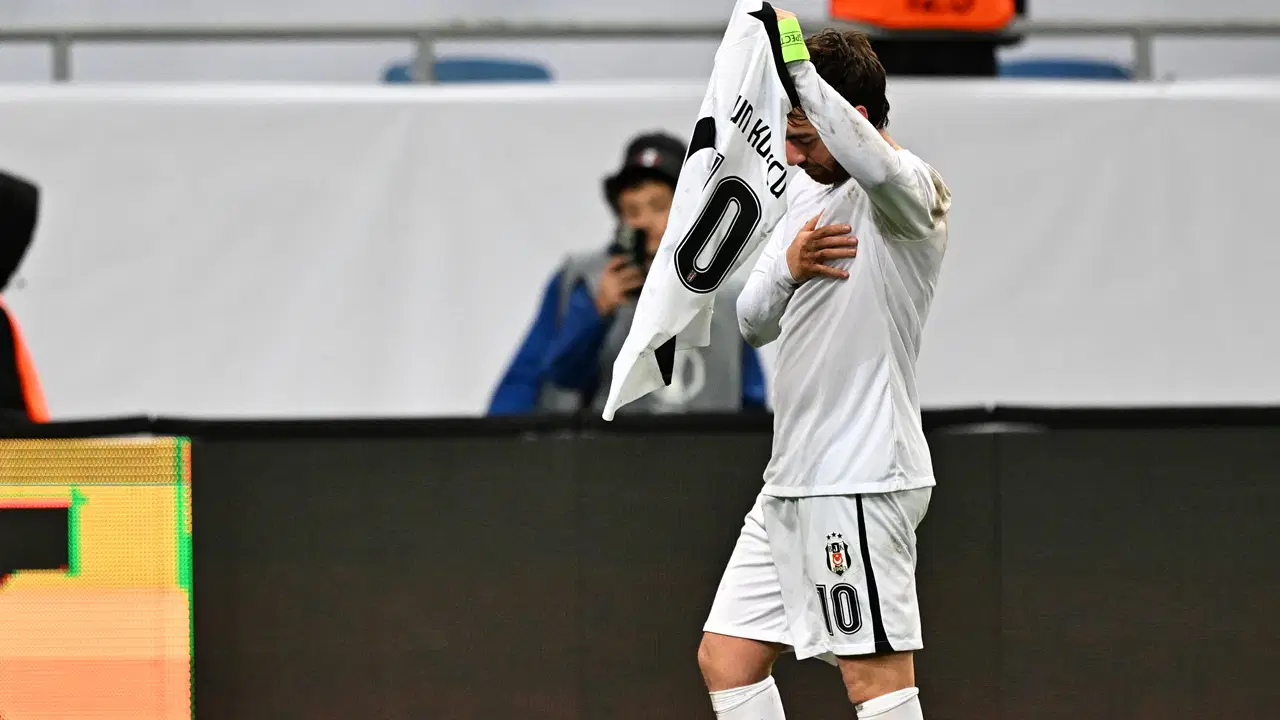
The match itself unfolded with the rhythm typical of a high‑stakes European encounter: Beşiktaş pressed forward, created chances, and ultimately found the net twice, while Hapoel Beer Sheva replied with a solitary goal. For the players, the result was a validation of weeks of preparation; for the travelling fans, it was a moment of collective joy that quickly turned uneasy.
Georgian police, tasked with maintaining public order, intervened. The exact details of the encounter remain sparse, but the captain’s later remarks make clear that the supporters felt the police response was disproportionate. "Bu kabul edilebilir bir şey değil," Kökçü said, translating to “This is not something acceptable.”
He also voiced support for Palestine, saying, "Onları destekliyoruz, yanlarındayız," which translates to “We support them, we stand by them.
The incident resonated beyond the stadium walls. For a club whose identity is tightly woven into the fabric of Turkish society, any affront to its supporters can feel like an affront to the nation itself. The police action, therefore, became a catalyst for a broader conversation about the treatment of Turkish fans abroad, the responsibilities of host nations, and the symbolic weight that football carries in the public sphere.
"Bizim için biraz milli mesele oldu," he declared, meaning “It became a bit of a national issue for us.” By invoking the word milli—the Turkish term for “national”—Kökçü elevated the win from a club achievement to a point of collective pride for Turkey.
His statement reflects a long‑standing tradition in Turkish football where clubs are seen as extensions of the nation’s cultural and political identity. When a Turkish side succeeds on the European stage, the triumph is often celebrated as a national accomplishment, a sentiment amplified when supporters face adversity abroad. Kökçü’s words therefore served a dual purpose: they celebrated the on‑field success while simultaneously signaling solidarity with fans who felt wronged.
The captain’s remarks did not stop at the immediate incident. He also voiced support for Palestine, saying, "Onları destekliyoruz, yanlarındayız," which translates to “We support them, we stand by them.” While the match itself had no direct connection to the Middle Eastern conflict, the statement underscores how Turkish clubs and their leaders often use the platform of sport to articulate broader geopolitical stances.
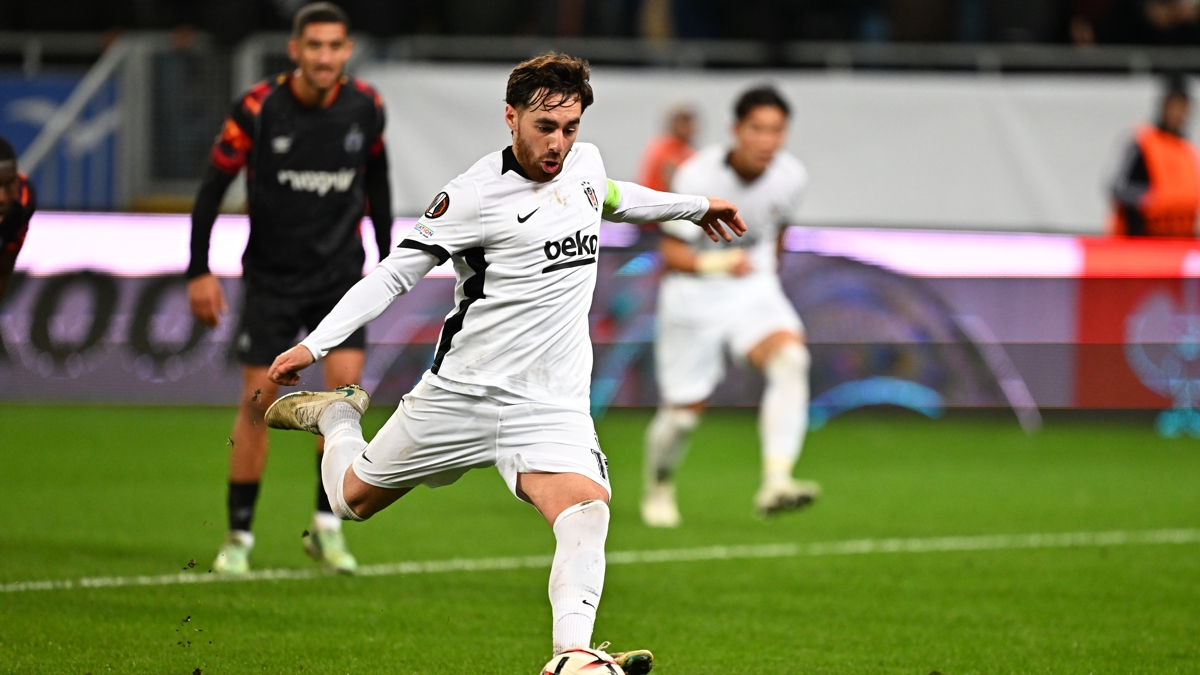
In Turkey, public figures frequently align themselves with the Palestinian cause, a sentiment that resonates with a sizable portion of the domestic audience. By linking the club’s triumph and the fans’ experience to a cause that is emotionally charged for many Turks, Kökçü reinforced the notion that Beşiktaş’s identity is intertwined with national sentiment and international solidarity.
Even as the controversy simmered, Kökçü reminded his teammates and supporters that the season’s narrative was far from over. He turned his focus to the upcoming clash with arch‑rival Galatasaray, a fixture that carries its own weight of history and passion. "Bizim tarafımız belli," he asserted, meaning “Our side is clear.” The comment signaled a clear alignment with the club’s supporters and a resolve to channel the emotional energy from the recent events into the next domestic battle.
The Galatasaray match, traditionally one of the most fiercely contested derbies in Turkish football, offers Beşiktaş an opportunity to convert the heightened sense of purpose into on‑field performance. For Kökçü, the message was simple: the club’s allegiance lies with its fans, its country, and the values it chooses to champion.
As the season progresses, the intertwining of sport, politics, and identity that Kökçü highlighted will remain a defining feature of Beşiktaş’s journey. Whether the club can translate the emotional fuel from this episode into sustained success on the pitch remains to be seen, but one thing is clear: for Orkun Kökçü and his teammates, the win over Hapoel Beer Sheva will forever be remembered as a moment when football became a conduit for national pride.