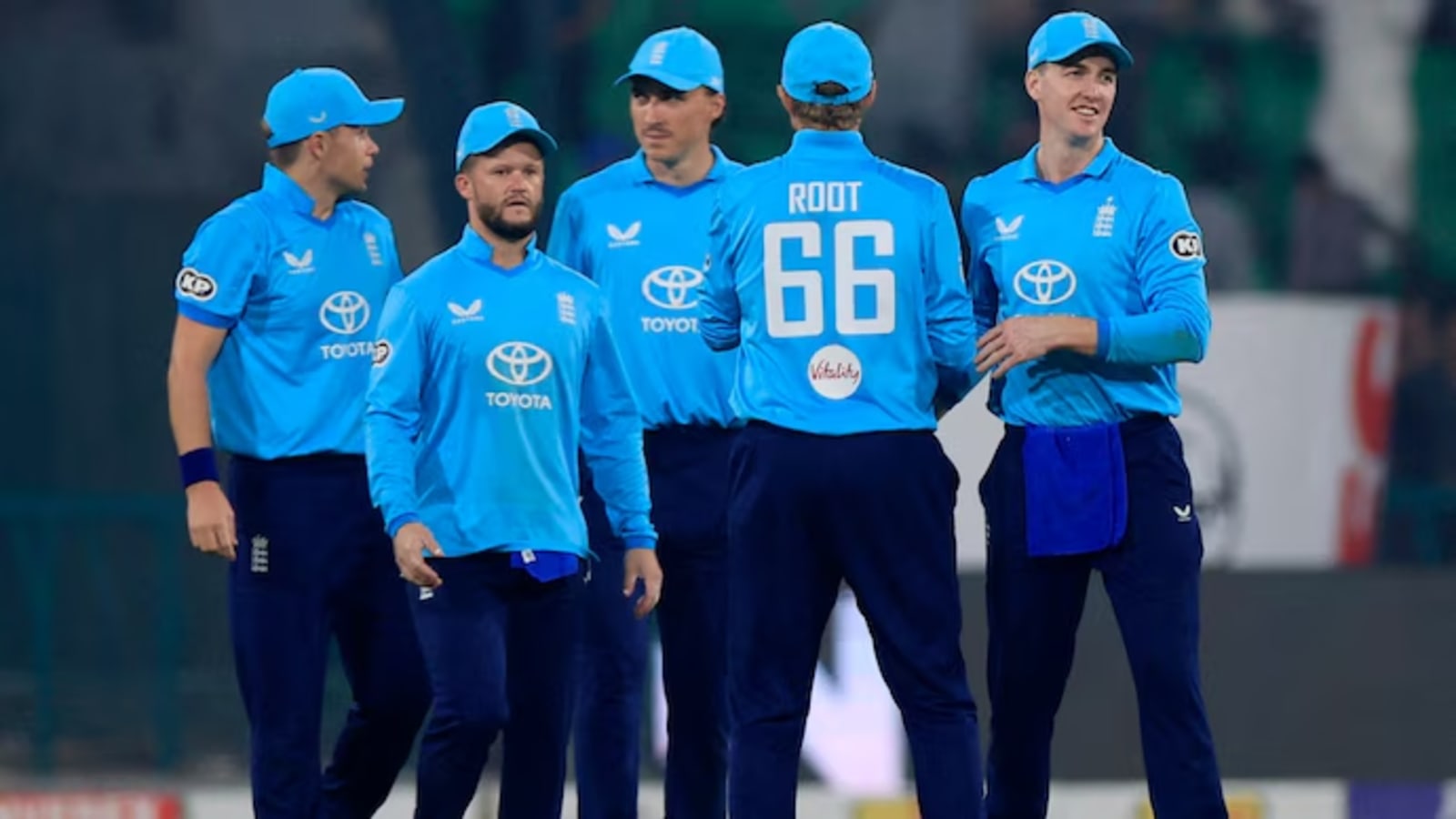
The England and Wales Cricket Board (ECB) is confronting a financial crisis that threatens to reshape the landscape of cricket administration in the country. According to reports from The Guardian, the board is anticipating potential losses of approximately £50 million (₹627 crore) in the year 2027. This looming crisis stems from a confluence of factors that have created what officials describe as an unprecedented financial challenge for the organization.
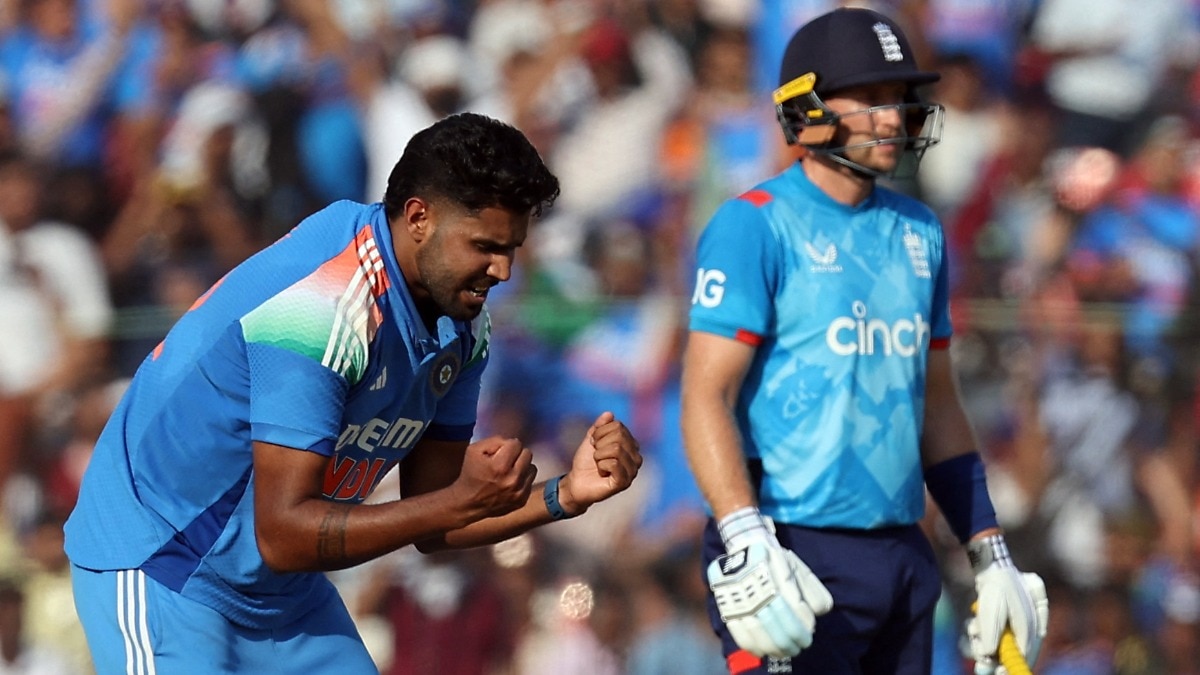
At the heart of the financial predicament is the absence of a Team India tour to England in 2027. These tours are not merely cricket matches; they represent commercial goldmines for the ECB. The Indian team's massive global following translates into enormous broadcasting revenues, sponsorship deals, and ticket sales. When Team India visits England, stadiums fill to capacity, television audiences reach record numbers, and commercial partners line up to associate with the high-profile series. Without this expected tour in 2027, the ECB faces a significant revenue vacuum that even the prestigious Ashes series against Australia may not be able to fill.
Compounding the problem is a decision by the International Cricket Council (ICC) to withhold a portion of broadcast revenue from member countries in 2027. This strategic move by the ICC aims to cushion against expected lower values in the upcoming 2028 broadcast rights cycle. The cricket world operates on a complex financial ecosystem where revenue from major tournaments and broadcast rights is distributed among member nations. The ICC's decision to temporarily hold back funds creates an additional financial strain on the ECB at precisely the moment it can least afford it.
This agreement has been a cornerstone of the board's financial planning, providing substantial guaranteed income.
The ECB's current six-year broadcast deal with Sony Pictures, valued at £185 million (₹2,323 crore), is set to expire in 2028. This agreement has been a cornerstone of the board's financial planning, providing substantial guaranteed income. However, the impending expiration of this deal comes at an inopportune time, with future broadcast contracts expected to yield lower amounts due to changing media consumption patterns and increased competition for sports rights. The combination of losing the Indian tour revenue and facing reduced broadcast deal values creates a double blow to the ECB's financial stability.
The financial crisis at the ECB level threatens to have cascading effects throughout the English cricket system. The domestic county cricket structure, which forms the backbone of English cricket, is already showing signs of strain. Reports indicate that 10 out of 18 counties are already recording losses, and their financial sustainability is heavily dependent on support from the ECB. If the parent organization faces severe financial constraints, the entire domestic cricket ecosystem could be at risk, potentially affecting everything from player development to grassroots cricket programs.
In response to this looming crisis, the ECB is actively engaged in negotiations with the ICC to mitigate the potential damage. The board is reportedly seeking to limit its losses to £35 million (₹439 crore) through these discussions. Additionally, ECB officials are exploring strategies to boost other revenue streams, including pursuing new sponsorship opportunities and optimizing existing commercial partnerships. The negotiations represent a critical juncture in the board's financial planning, with significant implications for the future of cricket administration in England.
The financial challenges facing the ECB highlight the delicate balance that exists in modern cricket between sporting excellence and commercial viability. As the cricket world continues to evolve, with new media platforms emerging and global audiences shifting their consumption patterns, cricket boards must adapt their financial models accordingly. The situation in England serves as a cautionary tale about the risks of over-reliance on specific revenue streams and the importance of diversified financial planning in an increasingly unpredictable sporting landscape.