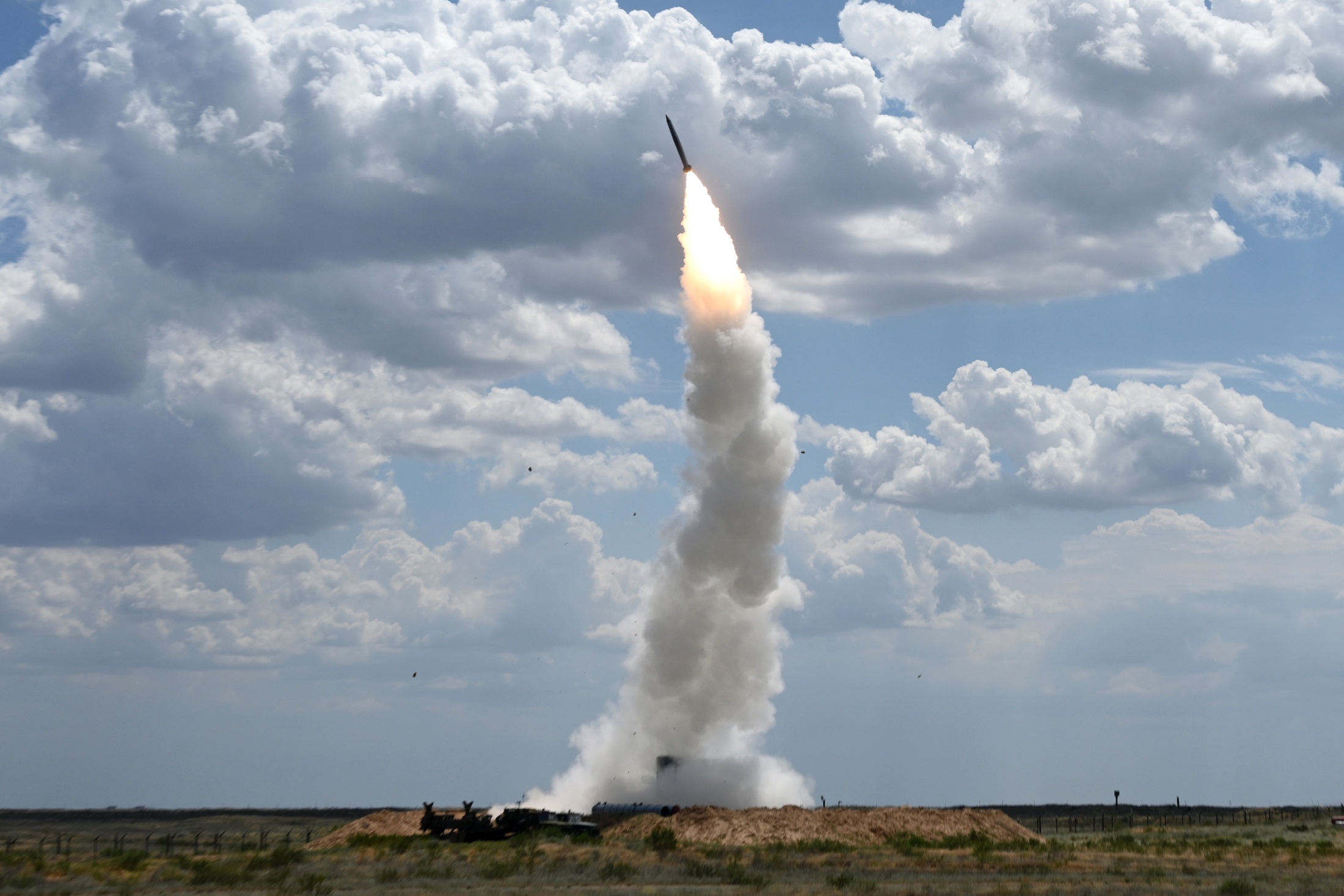
The hum of rotors is not the only sound that defines the modern air war; sometimes, it is the silence after the sirens stop that tells the most. On November 17, 2026, the night sky over Russia was not merely illuminated by missile trails but choked by the sheer volume of aerial targets, a testament to the escalating intensity of the conflict. For the citizens in targeted regions, this was not just another evening of alarms, but a confrontation with a new scale of attack that forced national air defense systems to operate at unprecedented levels of saturation. The event stands as a pivotal moment where the volume of threats began to outpace previous records, reshaping the tactical reality on the ground. The narrative of this night is one of defensive endurance, as Russian forces sought to neutralize a multi-layered threat that ranged from small, unmanned swarms to sophisticated, long-range guided weapons. The outcome of that specific 24-hour window offered a stark snapshot of the current state of the air war, highlighting both the technological arms race and the logistical strain on defense networks.

The primary focus of the interception was a cluster of advanced cruise missiles designated as 'Flamingo.' These weapons represent a significant evolution in long-range strike capability, capable of carrying heavy payloads over vast distances with relative stealth. On the night in question, Russian air defense units successfully destroyed nine of these missiles before they could reach their targets. The 'Flamingo' system is particularly concerning to defenders because it blurs the line between traditional cruise missiles and guided aerial bombs, offering versatility that complicates radar tracking and interception protocols. The successful downing of all nine missiles suggests that despite the advanced nature of the threat, the integrated air defense system remained effective in countering this specific high-value segment of the attack. This performance was critical, as these missiles were likely aimed at strategic infrastructure or command centers, and their failure to land marked a significant defensive victory for Russian forces during that window.
However, the interception of the nine missiles was merely the tip of the iceberg. The true headline of the night was the massive volume of fixed-wing drones that filled the air space. Russian authorities reported the destruction of 2,256 drones within a single 24-hour period. This number is record-breaking, signaling a shift in tactics from sporadic, high-impact missile strikes to a relentless, high-volume saturation attack using unmanned aerial vehicles. Fixed-wing drones are distinct from the smaller quadcopter drones often seen in close-quarters combat; these are larger, faster, and designed to penetrate deep into defensive perimeters. The ability to launch such a large number of drones simultaneously puts immense pressure on air defense batteries, which have limited ammunition and reaction times. The fact that the vast majority of these 2,256 drones were intercepted indicates a coordinated effort across multiple defense sectors to handle the swarm threat, though the logistical cost of deploying hundreds of interceptors against low-cost drones remains a long-term economic challenge for the defending side.
This sequence of events reveals a clear cycle of offense and counter-strike.
The context for this massive drone salvo cannot be understood without looking at the preceding offensive actions. Prior to this interception event, Russian forces had conducted strikes on facilities located in the Zaporizhzhia, Cherkasy, and Dnipropetrovsk regions of Ukraine. These strikes were not random; they were targeted at specific sites identified as assembly centers for the 'Flamingo' cruise missiles and the 'Neptune' anti-ship missiles. This sequence of events reveals a clear cycle of offense and counter-strike. By hitting the production and assembly hubs in those Ukrainian regions, Russian forces aimed to disrupt the supply chain that feeds the air attacks. The 'Neptune' missile, while not the primary threat on the night of the interception, is a formidable weapon designed to challenge naval assets, and neutralizing its production sites was a strategic priority to protect maritime routes. The targeting of these specific regions shows that the war has expanded beyond the front lines to include deep strikes on industrial infrastructure critical to the war effort.
The Russian Ministry of Defense released its statement on the event, maintaining a neutral, factual tone in their reporting. Their official declaration noted that air defense systems destroyed the nine missiles and the thousands of drones. The ministry’s use of the phrase "intercepted" highlights the technical precision of the operation, moving away from emotional language toward a clinical description of military effectiveness. This stoic reporting style is characteristic of high-level defense communications during sustained conflicts, designed to project stability and competence to both the domestic public and the international community. By framing the massive drone attack as a successful interception rather than a breach, the Ministry reinforces the narrative that the air defense shield is intact and capable of handling even record-setting threats.
For the Ukrainian Armed Forces, this event is likely viewed with frustration. The critical stance toward the outcome reflects the broader difficulty of sustaining high-volume air attacks when facing a mature and layered defense network. The loss of thousands of drones represents a significant financial and material setback, as each interceptor missile launched against a drone costs far more than the drone itself. This economic asymmetry puts pressure on the attacking side to either increase the volume of attacks to a point where they can accept higher losses or to develop stealthier, more expensive drones that are harder to intercept. The fact that the attack was partially successful in reaching its volume target, even if mostly intercepted, suggests that the sheer quantity of drones is currently overwhelming the rate of fire of defensive systems. As both sides continue to adapt, the balance of power in the air remains in a state of flux, with each side testing the limits of the other's resilience. The night of November 17, 2026, stands as a benchmark for future aerial engagements, defining the new normal of a war fought with thousands of machines at once.