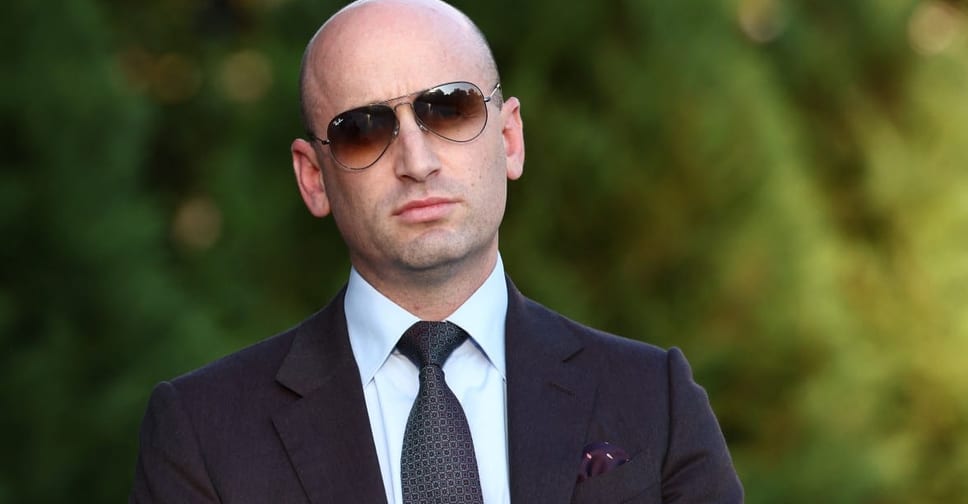
The political landscape in the United States had just undergone a dramatic shift. Midterm elections had delivered a significant blow to the Republican Party, with Democrats gaining control of the House and tightening their grip on the Senate. The election results were a stark reminder of the public's dissatisfaction with the administration's policies, particularly on issues like immigration. As the dust settled, President Donald Trump faced a new reality: he had to navigate a Democratic-led Congress and a public that was increasingly vocal about its discontent.
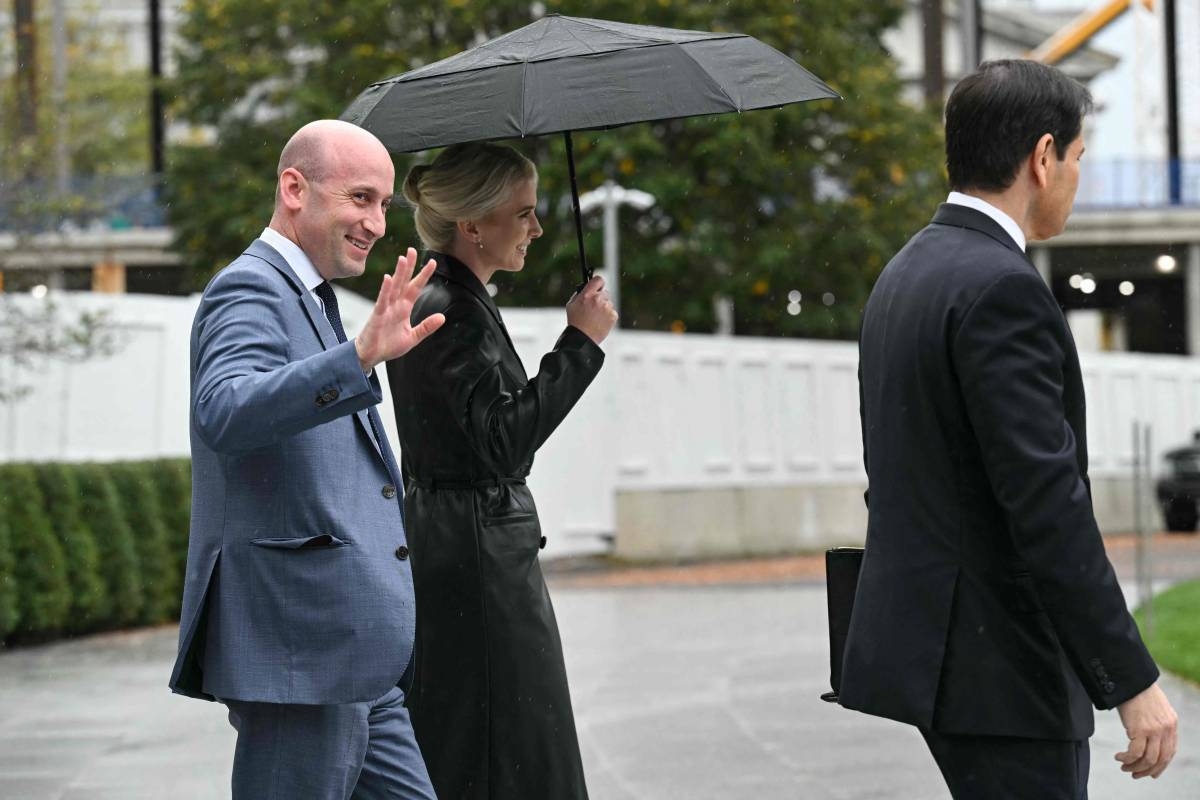
Against this backdrop, Susie Wiles, the outgoing chief of staff, stepped down from her position. Wiles had been a key figure in the White House, known for her administrative skills and her ability to navigate the complex political environment. Her resignation came as no surprise to many, as it was widely speculated that she would be replaced by someone more aligned with the president's vision. Wiles' departure was a symbolic moment, marking the end of an era and the beginning of a new chapter in the White House.

Trump makes hardliner Stephen Miller his chief of staff after midterm defeat https://t.co/DQsXeDci7D
On the same day, President Trump made a significant announcement. He named Stephen Miller as the new chief of staff, replacing Susie Wiles. Miller, a longtime aide and architect of the administration's immigration policies, was seen as a hardliner and a key figure in shaping the president's agenda. The appointment was seen as a clear indication that Trump was not ready to pivot his policies or seek compromise with the incoming Democratic majority in Congress.
The appointment of Miller came just days after Hakeem Jeffries, the new Democratic speaker of the House, had called Miller a 'reckless extremist.
Stephen Miller, a political scientist by training, had been a close confidant and advisor to the president since the early days of the administration. Miller's influence extended far beyond the White House, as he played a pivotal role in shaping the administration's immigration policies. His background included serving as a senior advisor to the campaign and as a key figure in the development of the controversial travel ban. Miller was known for his uncompromising stance and his support of expansive presidential authority, traits that made him a natural fit for the role of chief of staff.
Miller's appointment was met with mixed reactions. On one hand, he was seen as a trusted advisor and a key architect of the administration's most controversial policies. His past statements and actions, including his support for the travel ban and his criticism of the media, had made him a polarizing figure. On the other hand, his appointment was seen as a signal that Trump had no intention of rethinking his policies or seeking a more conciliatory approach towards Democratic lawmakers.
The appointment of Miller came just days after Hakeem Jeffries, the new Democratic speaker of the House, had called Miller a 'reckless extremist.' Jeffries' comments reflected the growing tension between the two sides of Congress. Jeffries, a vocal critic of the administration's policies, saw Miller's appointment as a clear indication that Trump was not willing to compromise or make any significant changes to his approach.

#Trump makes #hardliner Stephen #Miller his #chief of #staff after #midterm #defeat - https://t.co/DmpCouCooU
In a statement, President Trump expressed his gratitude to Susie Wiles for her service and announced Miller's appointment. 'Serving President Trump in the White House has been the honor of a lifetime,' Trump said. 'I'm so proud to have been a part of what we've accomplished together from securing our border and cutting taxes to strengthening our economy and putting America First.' Trump's statement was a clear indication of his commitment to his policies and his determination to continue pushing them forward, regardless of the midterm election results.
Miller, for his part, was unequivocal in his support for the president. 'We will fight with all of our soul to support our President and defend this magnificent Republic,' Miller said. His statement reflected the deep loyalty and commitment that he and other hardliners in the administration felt towards Trump and his policies.
The appointment of Miller as chief of staff had significant implications for the White House. With a Democratic-led Congress, the administration would face increased scrutiny and opposition on key issues like immigration. Miller's appointment was seen as a signal that the administration would continue to push its agenda, even in the face of opposition. The new chief of staff would be responsible for coordinating the administration's efforts and ensuring that the president's vision was implemented, regardless of the political climate.
The appointment of Stephen Miller as chief of staff came at a critical juncture in Trump's presidency. With two years remaining before the end of his term, the administration faced significant challenges and opportunities. The appointment of Miller was seen as a clear indication that Trump was not willing to change course or seek compromise. Instead, he was determined to continue pushing his agenda, even in the face of significant opposition. The coming months would be marked by intense political battles and a heightened sense of partisan division, with Miller at the center.