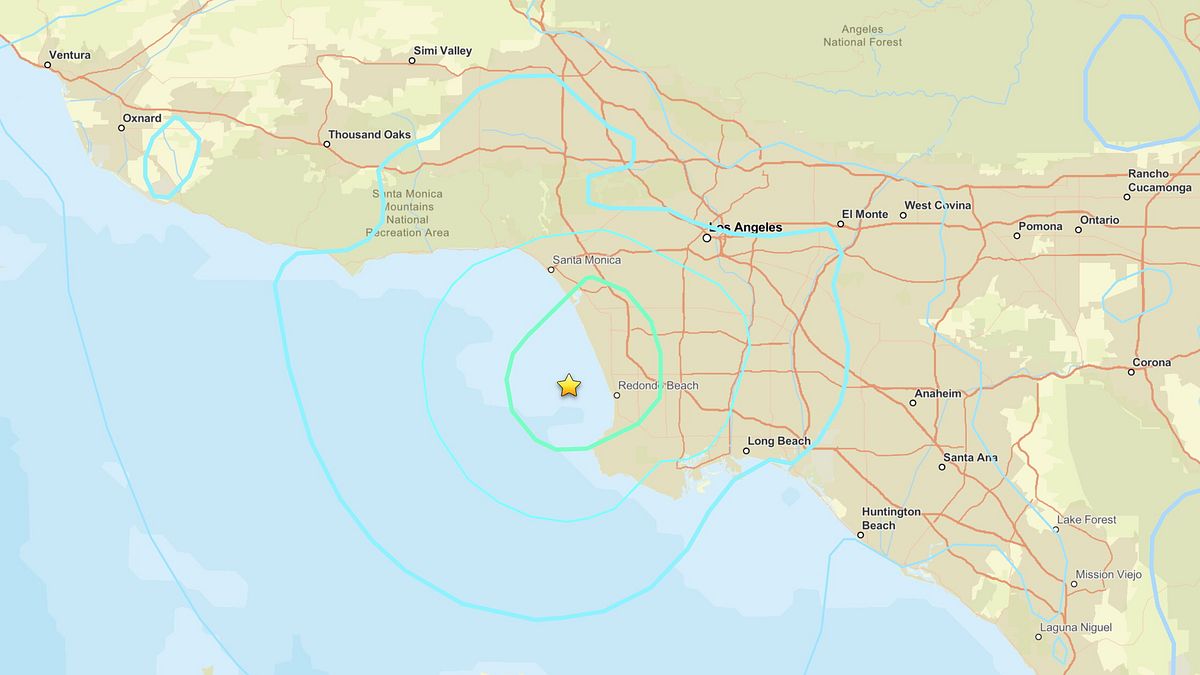
On the morning of November 28, 2026, the familiar rhythm of life along the California coast was interrupted by a sudden, violent movement of the earth. In the Manhattan Beach area, a preliminary magnitude 5 earthquake struck, sending a tremor through the ground that served as a stark reminder of the geological volatility inherent to the region. For those living near the shoreline, the sensation of a significant seismic event is rarely just a passing moment; it is a disruption that demands immediate attention and a rapid assessment of the world as it was just moments before.
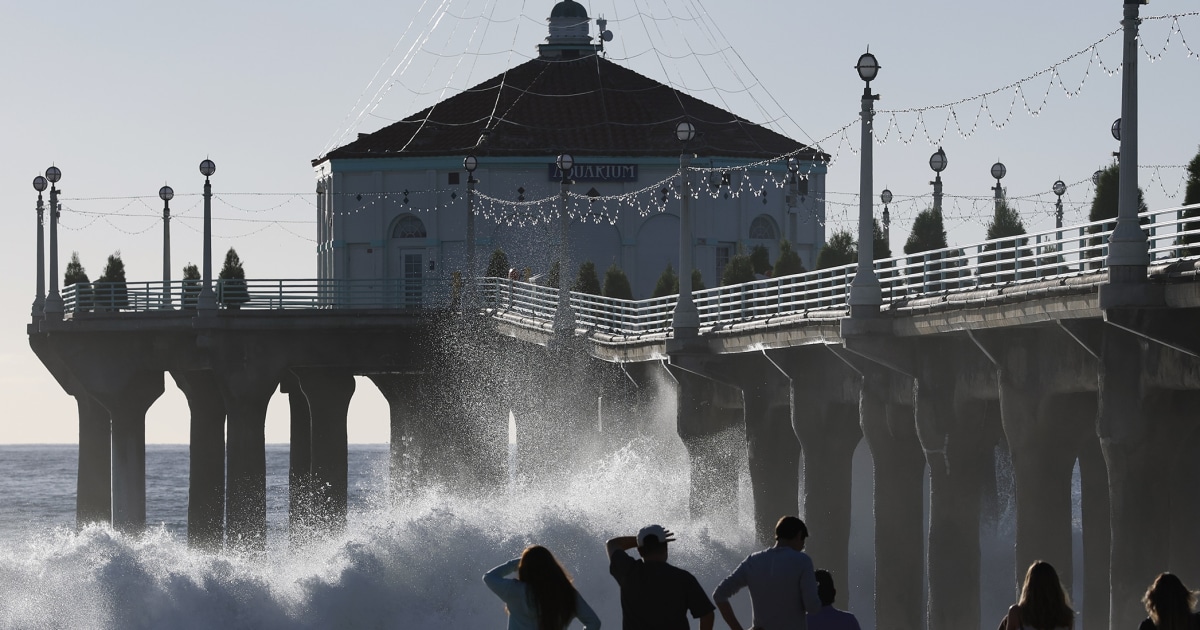
As the initial shockwaves subsided, the institutional response was almost instantaneous. The Los Angeles Fire Department, trained to react to the specific rhythms of seismic activity, immediately activated its established earthquake protocol. This is not merely a matter of sending out a few patrol cars; it is a massive, coordinated logistical undertaking designed to ensure that the city's lifeblood—its infrastructure—remains intact. To achieve this, the department deployed personnel from 106 neighborhood fire stations, turning a localized tremor into a wide-scale inspection mission. These responders were tasked with moving through the community to check the integrity of buildings, roads, and essential services, acting as the first line of defense against the secondary dangers that often follow a quake.
In the immediate aftermath, the primary concern for both residents and emergency officials was the human and structural cost of the movement. While the magnitude of the quake was significant enough to be felt widely, the initial reports from the Los Angeles Fire Department provided a measure of relief to a startled public. As crews moved through the Manhattan Beach area, they confirmed that no injuries had been reported and, crucially, no structural damage had been identified. In a region where even minor shifts can lead to catastrophic failures in older architecture, the absence of reported damage is a vital piece of data in the early hours of a seismic event.
Local officials in Manhattan Beach moved quickly to manage public anxiety, advising residents to prepare for the possibility of aftershocks.
Despite the lack of reported injuries or broken buildings, the atmosphere in Manhattan Beach remained one of cautious vigilance. The threat of an earthquake is rarely a single, isolated event. Local officials in Manhattan Beach moved quickly to manage public anxiety, advising residents to prepare for the possibility of aftershocks. These secondary tremors, which can follow an initial earthquake for minutes, hours, or even days, represent a lingering period of instability. For a community, this means that the period of immediate danger does not end when the ground stops shaking for the first time; it enters a phase of sustained readiness.
As the tremor rippled through the coastal landscape, a specific fear often associated with large underwater seismic shifts began to circulate: the threat of a tsunami. For a seaside community like Manhattan Beach, the arrival of a wall of water is the ultimate nightmare scenario. Recognizing this potential for panic, city officials utilized social media to provide rapid clarification. They confirmed that there is currently no tsunami threat, a move intended to stabilize the local mood and prevent the chaos that often accompanies unfounded maritime warnings. By addressing the fear directly, the city sought to redirect the public's focus from speculative catastrophe to the practical realities of the morning.
As of now, the situation in Manhattan Beach remains a developing story. While the immediate response from the Los Angeles Fire Department has been comprehensive and the initial reports suggest a lack of physical devastation, the geological reality of the area means that the story is far from over. The deployment of 106 stations stands as a testament to the scale of preparedness required in California, where the line between a routine morning and a major emergency is often drawn by the movement of tectonic plates.