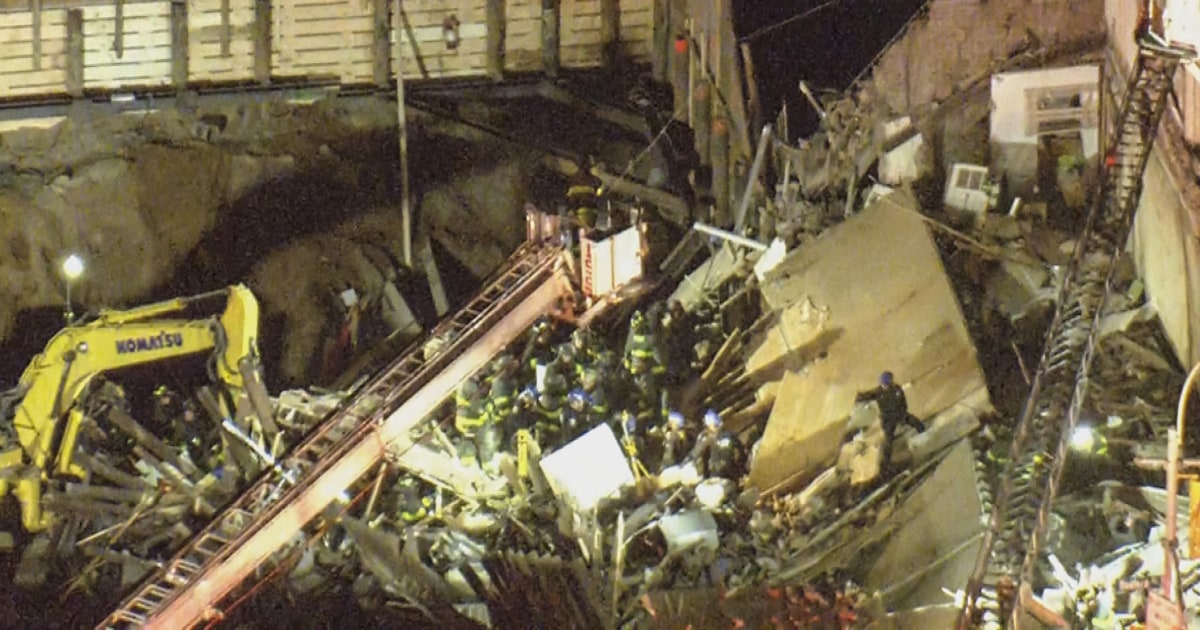
On a seemingly ordinary Wednesday afternoon in November 2026, the tranquility of Brooklyn's Flatbush neighborhood was shattered. At approximately 4 p.m., a three-story building collapsed catastrophically, plunging into an adjacent construction pit. The sudden and violent collapse sent shockwaves through the community and emergency services, marking the beginning of a desperate race against time to find survivors amidst the rubble.
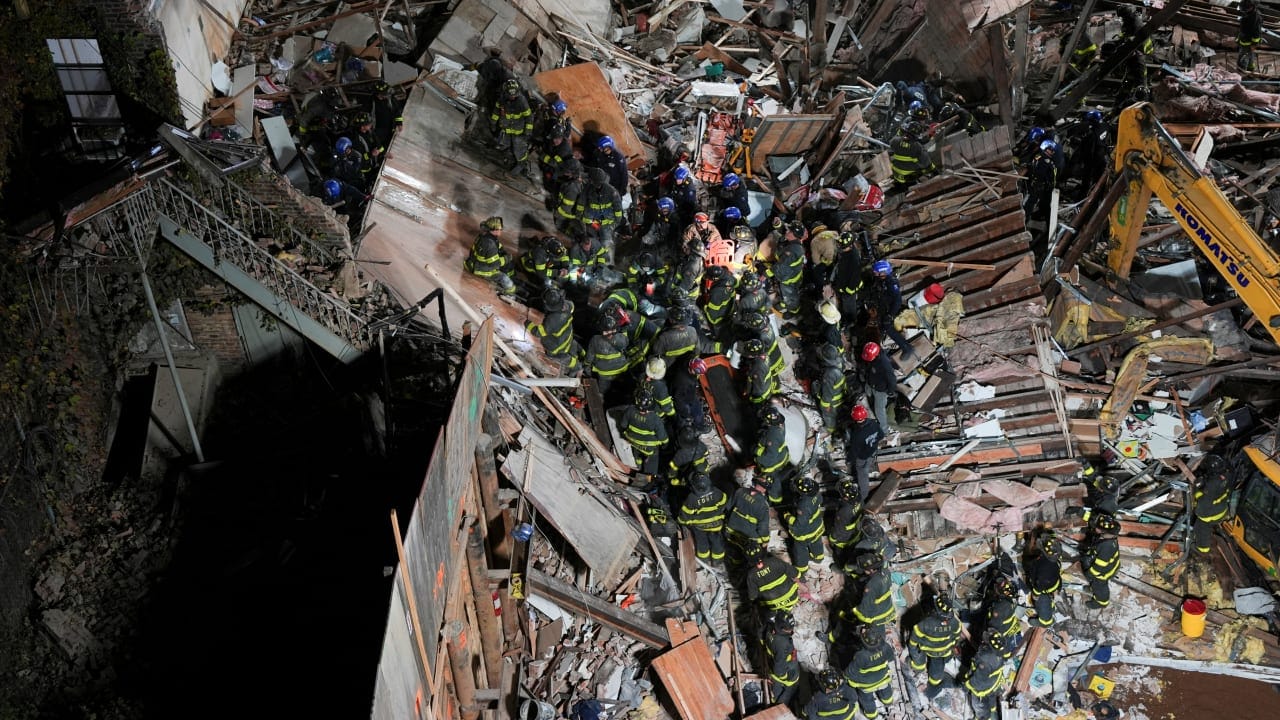
When the first calls reached the New York City Fire Department, responders mobilized with urgency. Arriving at the scene, they were met with a horrifying tableau of destruction. The building had not simply fallen; it had collapsed into the pit where a one-story structure had been previously demolished to make way for a new development project. Firefighters immediately began searching the debris, employing rescue dogs, specialized saws, and manual excavation techniques to locate anyone trapped beneath the tons of fallen material.

NEW YORK — One person was killed and several others injured Wednesday after a three-story building collapsed near a construction site in New York, city authorities said. Read more: https://t.co/ohBdzu4G2B https://t.co/TdP4KX2ONN
As the rescue operation unfolded, the human cost of the disaster became tragically clear. The New York City Fire Department confirmed that one person had lost their life in the collapse. Four others were rushed to area hospitals in critical condition, their injuries severe enough to require immediate and intensive medical intervention. Adding to the grim statistics, six additional individuals sustained less severe injuries but still required hospitalization for treatment and evaluation.
Adding to the grim statistics, six additional individuals sustained less severe injuries but still required hospitalization for treatment and evaluation.
The collapse's destructive force wasn't limited to the three-story structure that had given way. An adjacent building, which shared a wall with the collapsed property, suffered catastrophic damage. Its exterior wall had been completely sheared off by the force of the collapse, leaving rooms exposed to the elements and raising immediate concerns about the structural integrity of what remained of the building. This secondary damage complicated rescue efforts and expanded the perimeter of the disaster zone.

#JUSTIN : New York City Mayor Zohran Mamdani and FDNY Commissioner Robert S. Tucker provide an update on the major technical rescue operation following the building collapse in Brooklyn. https://t.co/iMnSZND5QW
With the immediate rescue operation underway, attention quickly turned to understanding how such a catastrophic failure could occur. Authorities initiated an investigation to determine the cause of the collapse, seeking information from all parties involved in the construction project. The architect, property owner, and general contractor associated with the development project were all requested to provide statements and documentation that might shed light on what went wrong.
As of the latest reports, recovery efforts continued at the collapse site, with investigators working methodically through the debris to piece together exactly what happened. The tragedy has already sparked renewed scrutiny of construction safety practices in New York City, particularly in areas where older buildings stand adjacent to active demolition and new construction sites. While the immediate focus remains on caring for the injured and supporting the victims' families, the long-term implications of this disaster may reshape how construction projects are monitored and regulated in one of America's most densely populated urban environments.