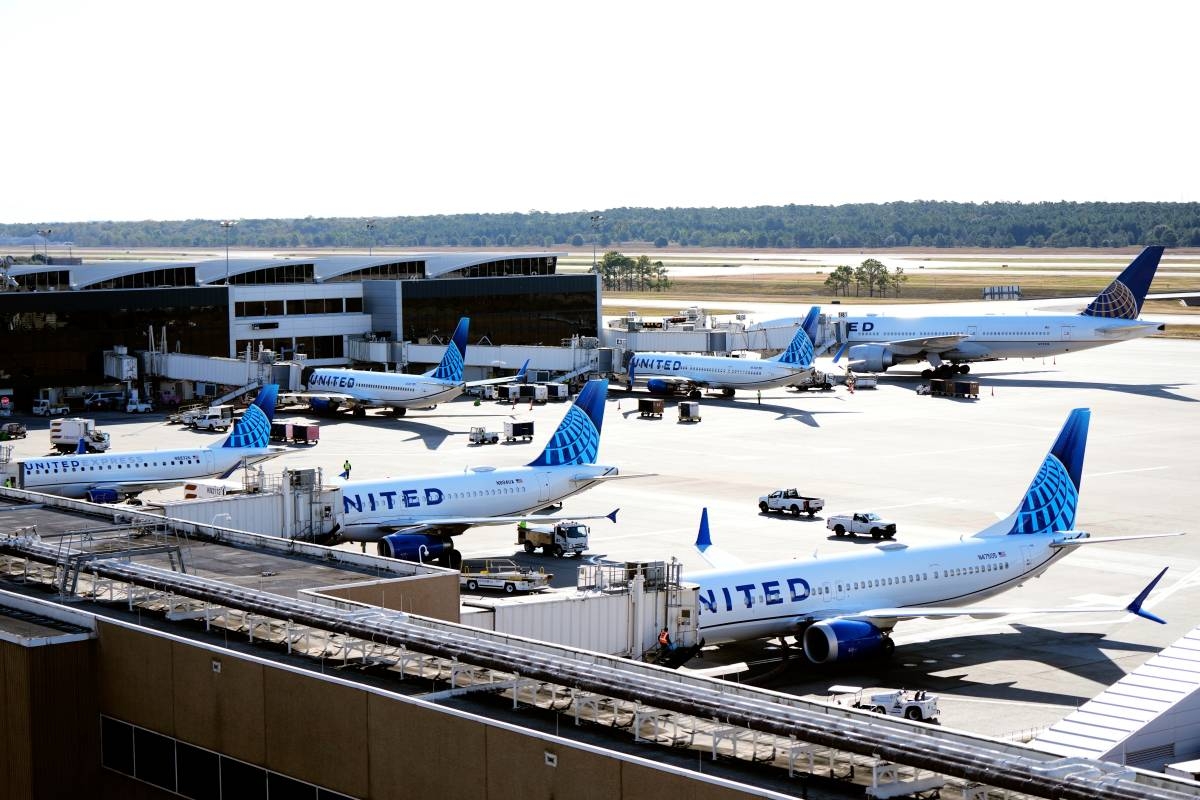
It was a typical summer morning at a bustling hub when a traveler’s boarding pass suddenly displayed a red warning: the flight had been delayed. The culprit was not a weather front or a crew shortage, but a silent, sprawling software failure that had frozen United Airlines’ departure system. Passengers watched as monitors flickered, agents fielded calls, and a line of aircraft sat idle on the tarmac. The outage, reported on June 12, affected only departing United flights; planes already airborne and United Express services continued without interruption.

The chain of events began a week earlier, on June 5, when Microsoft Outlook—one of the world’s most used email platforms—suffered a massive outage. Microsoft later attributed the collapse to a “bug” that overwhelmed its servers, leaving millions of users unable to send or receive messages. For a corporation that relies on instant communication to coordinate crews, gate assignments, and maintenance logs, the Outlook blackout was an early warning sign of how a single point of failure can ripple across an entire industry.
Four days after the Outlook debacle, the Federal Aviation Administration (FAA) was forced to issue a nationwide ground stop on June 9. For four hours, every commercial aircraft in U.S. airspace was required to remain on the ground, a measure rarely taken outside of extreme weather or security threats. The FAA’s neutral stance emphasized safety above all, but the abrupt halt underscored the fragility of the nation’s air‑traffic control network when technical glitches arise.
In a brief statement, the airline said it was “working hard to get things back up and running as soon as possible.
Just three days later, United Airlines announced it was grappling with a “widespread system outage” that crippled its ability to process new departures. In a brief statement, the airline said it was “working hard to get things back up and running as soon as possible.” The company also reassured travelers that there was “no impact on flights in progress, or on United Express flights,” a distinction that highlighted how the outage was confined to the airline’s scheduling and check‑in platforms rather than its entire operational fleet.
On the same day United’s systems went dark, JPMorgan Chase reported its own technical issue. When a leading bank’s systems falter, the ripple effects can reach everything from payroll processing to ticketing platforms that rely on secure payment gateways.
These incidents—Outlook’s bug, the FAA’s ground stop, United’s outage, and JPMorgan Chase’s technical hiccup—have reignited a debate about America’s reliance on aging infrastructure. Millions of Americans depend daily on complex software ecosystems to travel, communicate, and conduct business. When any single component falters, the cascade can be swift and far‑reaching. Critics argue that the nation’s digital foundations, many of which were built in the early days of the internet, have not kept pace with the exponential growth in demand.

First, the FAA's ATCS chokes, leading to a nationwide ground stop. Then, United Airlines $UAL suffers a computer system outage, grounding all their flights. Lastly, American Airlines $AAL suffers an engine failure with Senator Ashley Moody on board. What a week to fly.
As of a recent update, the FAA ground stop has been logged as a rare but necessary safety measure, and Microsoft has patched the Outlook bug that triggered its earlier outage. The week’s string of failures serves as a reminder that even the most robust‑looking networks can be vulnerable, prompting industry leaders to reevaluate how they safeguard the digital arteries that keep the nation moving.
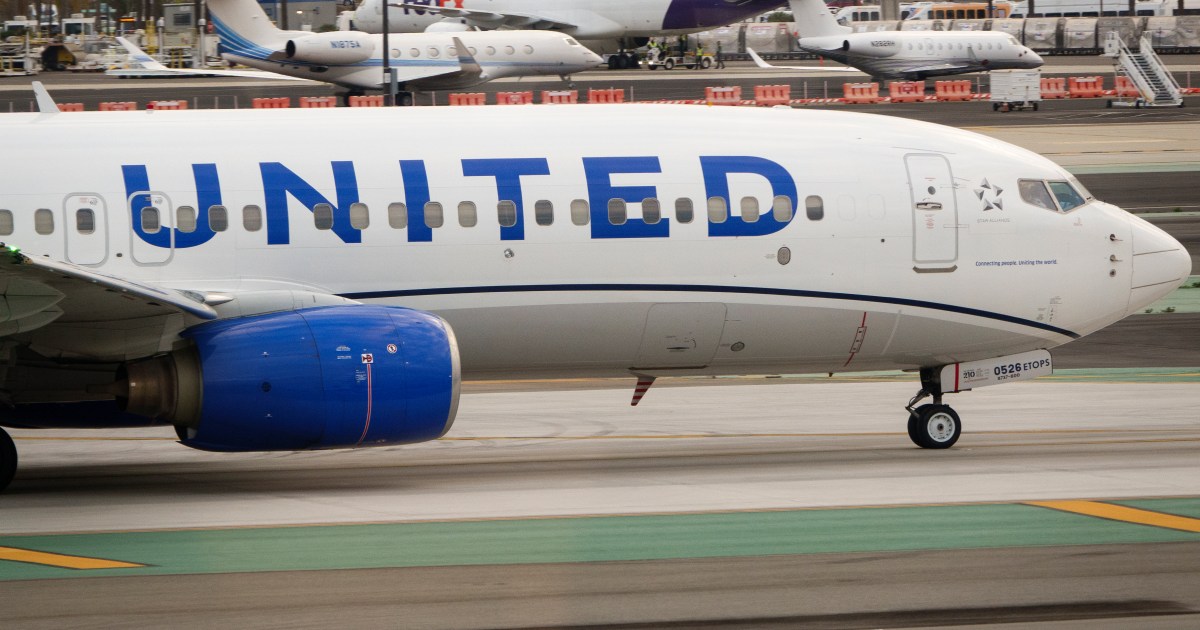
The convergence of these events in a single week forces a reckoning: can the United States modernize its critical systems fast enough to meet the expectations of a digitally dependent public? While no single entity bears sole responsibility, each outage has highlighted a shared vulnerability. The hope is that the lessons learned—from a bug in an email client to a four‑hour ground stop—will translate into concrete investments, tighter redundancies, and a more resilient future for the skies and the screens that guide them.