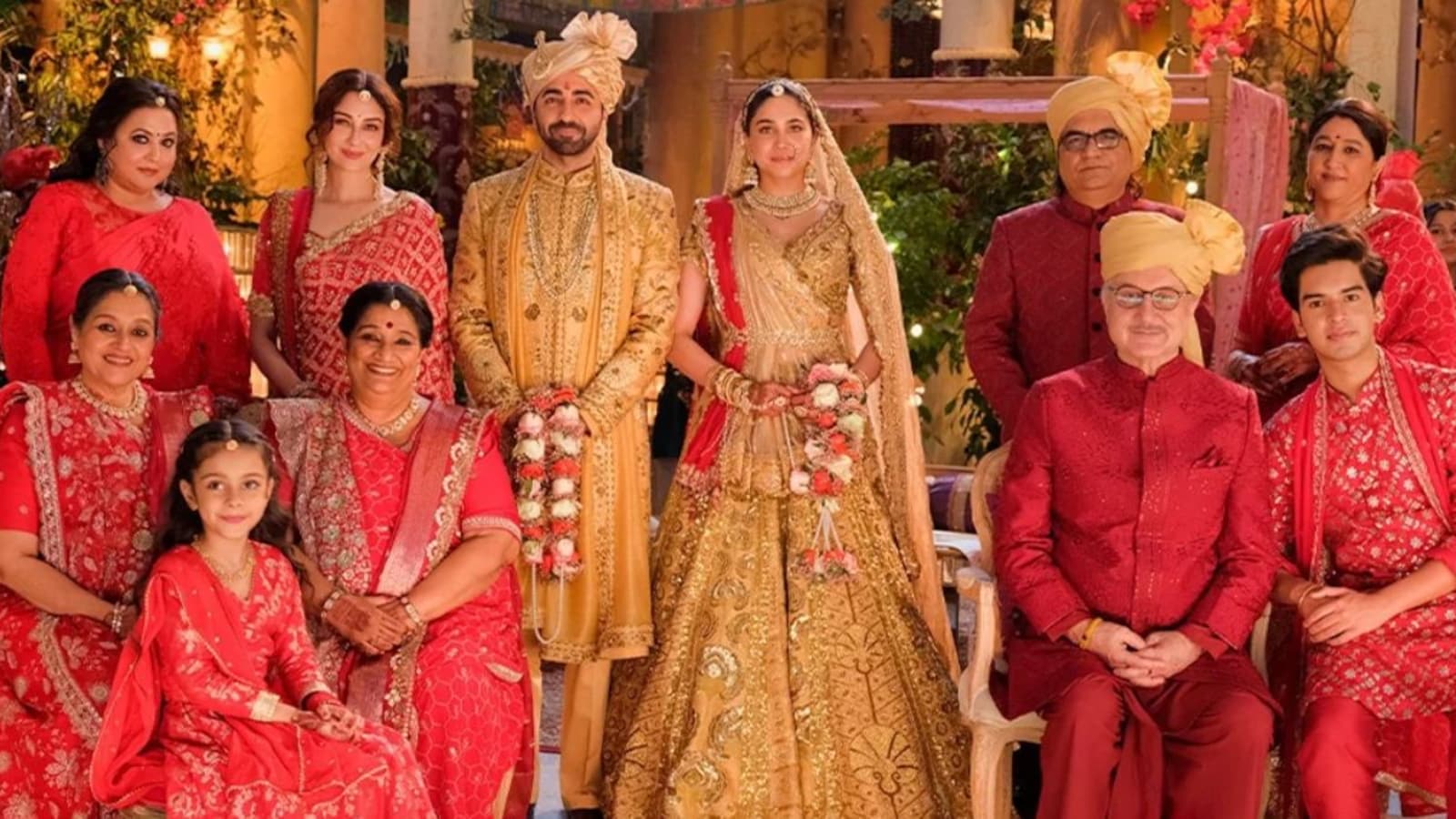
In the crowded landscape of modern Bollywood, a new film has emerged that's turning heads and warming hearts. 'Yeh Prem Mol Liya,' released in theaters on November 27, 2026, is already generating significant buzz on social media platform X, with audiences praising its throwback charm and family-friendly appeal. Directed by veteran filmmaker Sooraj Barjatya, known for his signature blend of family values and emotional storytelling, the film represents a deliberate return to the simpler romantic narratives that defined Bollywood in the 1990s.

For Barjatya, 'Yeh Prem Mol Liya' represents another chapter in his career-long exploration of Indian family dynamics and relationships. The director, who has built a reputation for crafting wholesome entertainers that resonate across generations, has once again tapped into the emotional core that has made his films enduring favorites. His latest work appears to continue this tradition, offering audiences a cinematic experience that prioritizes emotional connection over contemporary filmmaking trends.
Leading the film are Ayushmann Khurrana and Sharvari Wagh, two actors whose different sensibilities create compelling on-screen chemistry. Khurrana, known for his ability to portray relatable, grounded characters, brings his signature authenticity to the romantic lead. His performance has been particularly noted by early viewers for its realism and emotional depth. Wagh, making her mark in Bollywood, complements Khurrana's performance with her own interpretation of the romantic narrative, contributing to what many are calling a believable and engaging central pairing.
What sets 'Yeh Prem Mol Liya' apart in today's cinematic landscape is its deliberate embrace of 1990s romantic sensibilities.
What sets 'Yeh Prem Mol Liya' apart in today's cinematic landscape is its deliberate embrace of 1990s romantic sensibilities. The film's narrative structure, character development, and even its musical approach evoke a bygone era of Bollywood filmmaking when romance was often portrayed with grand gestures and emotional simplicity. This stylistic choice has resonated with audiences who remember the 90s fondly and with younger viewers seeking something different from the fast-paced, often cynical narratives that dominate contemporary cinema.
Since its release, 'Yeh Prem Mol Liya' has sparked considerable conversation on social media platform X, where users have shared their reactions and reviews. The early consensus has been largely positive, with many viewers praising the film's wholesome approach and emotional authenticity. The film has garnered user ratings of 4 stars and 3.5 stars, reflecting a solid if not spectacular reception. Social media comments highlight appreciation for the film's music, the chemistry between the leads, and the supporting performances, particularly from veteran actor Anupam Kher.
Despite the generally favorable reviews, some viewers have pointed to structural issues in the film's second half, which several have described as feeling overly long. Additionally, the pacing of the romantic development has been noted by some as rushed, particularly in comparison to the more deliberate build-up in the first half. These criticisms suggest that while the film captures the essence of 90s romance, it may not fully replicate the narrative pacing that characterized that era's most successful films.
Early indications suggest that 'Yeh Prem Mol Liya' is finding particular resonance with upper-middle-class audiences who appreciate its traditional values and emotional authenticity. The film's exploration of complex relationships, presented through a lens of simplicity and sincerity, appears to strike a chord with viewers seeking meaningful entertainment that doesn't rely on shock value or excessive spectacle. This demographic connection may prove crucial for the film's long-term success in theaters.
As 'Yeh Prem Mol Liya' continues its theatrical run, the initial positive reactions suggest it has established itself as a decent family entertainer in the current Bollywood landscape. While broader audience consensus will take time to fully form, the early indicators point to a film that successfully balances nostalgia with contemporary sensibilities. Whether it will achieve the enduring popularity of Barjatya's earlier works remains to be seen, but for now, it has proven that there remains an appetite for the kind of heartfelt, family-oriented storytelling that has been a hallmark of Indian cinema for decades.