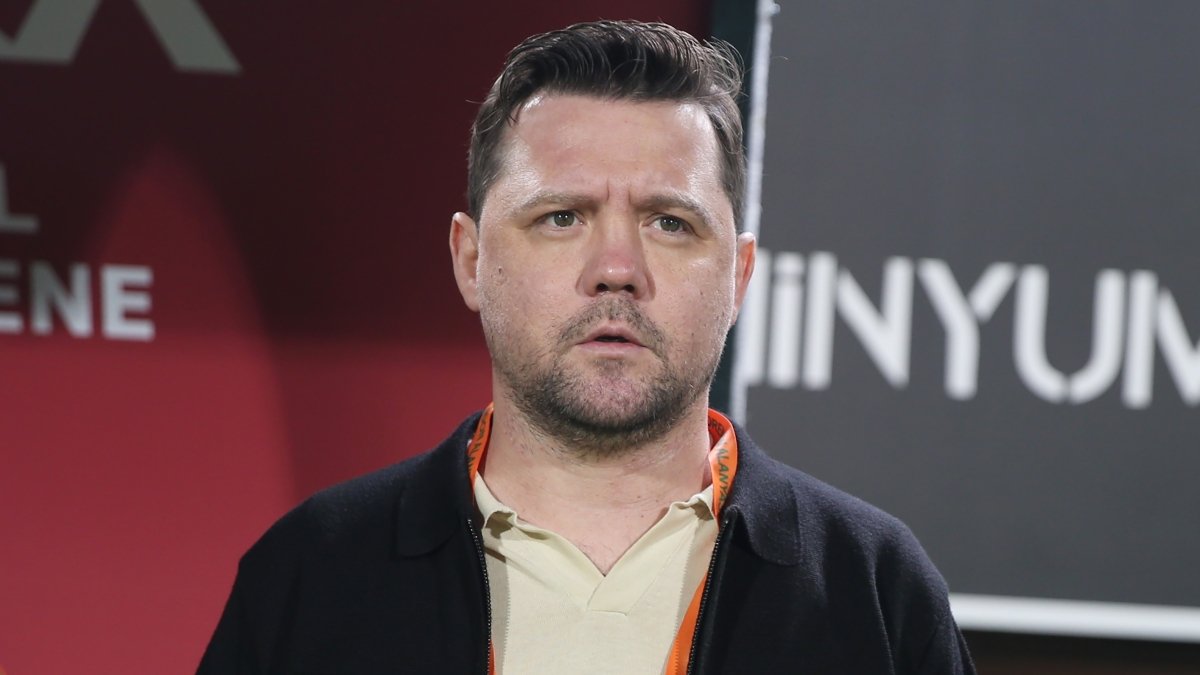
The stadium lights in Alanya cut through the cool evening air, but the mood inside was heavy. On the turf, Corendon Alanyaspor had just suffered a 2-1 defeat to TÜMOSAN Konyaspor in the 13th week of the Trendyol Super Lig. The scoreline was tight, but the feeling was one of missed opportunity and growing frustration. As the final whistle blew, the focus shifted to the technical area, where manager Uğur Uçar prepared to address the press. He wasn't just answering questions about the loss; he was explaining a fundamental change in how his team was trying to survive in one of Turkey's most competitive leagues.

Uçar began by addressing the tactical shift. He explained that the team, which had been playing with a three-man defense for a long time, was now transitioning to a four-man defense. "Öncelikle buradan başlamak istiyorum. Tabii bir formasyon değişikliğine gidiyoruz. Uzun süredir üçlü sistemle oynayan takımı, dörtlüye döndürdük," he said. The decision to change formations is a bold move, often fraught with risk. It requires players to learn new roles, new communication patterns, and a different way of thinking about defensive structure. For Uçar, this wasn't just a minor tweak; it was a necessary evolution to adapt to the league's demands.
However, the immediate result of this evolution was a series of setbacks. Uçar acknowledged that the team was feeling the "acısını"—the pain—of this transition in their last two matches. The shift to a four-man defense had created challenges that were affecting their performance in the final minutes of games. "Bunun acısını son iki haftada maçların son dakikasında yaşıyoruz," he noted. The previous week, they had faced difficulties against Kasımpaşa, and this week, they had conceded goals that contributed to their defeat. The pain was palpable, a reminder that change is rarely smooth.
The shift to a four-man defense had created challenges that were affecting their performance in the final minutes of games.
Despite the loss, Uçar tried to maintain a sense of perspective. He reminded the players of the value of playing for a great club. "Kaybettiğimiz için üzgünüz ama şunu söylemem gerekiyor. Çok iyi bir kulüpte çalışıyoruz. Futbolcuların da bunun değerini bilmesi gerekiyor," he said. This was a crucial moment of leadership. It was a call to resilience, a reminder that even in the midst of a difficult transition, the team's identity and the prestige of the club remained intact. It was a way to lift the team's spirits and refocus their efforts on the task at hand.
The loss to TÜMOSAN Konyaspor was a stark reminder of the challenges ahead. The team was in the midst of a system change, feeling the pain of the transition. Yet, Uçar's message was clear: they needed to work harder, adapt faster, and remember why they were there. The pain of the pivot was real, but so was the potential for growth. As the season progresses, the team will need to find a way to stabilize their new formation and turn the pain into progress.