
The Meteorological Organization has issued a yellow alert for air pollution in Tehran, Karaj, and Isfahan. The warning, effective from November 14 to November 17, signals a period of heightened health risks for residents of these cities. This alert, a precautionary measure in the country's air quality monitoring system, comes as authorities brace for a significant deterioration in air quality that could affect vulnerable populations and potentially the general public if emissions remain unchecked.
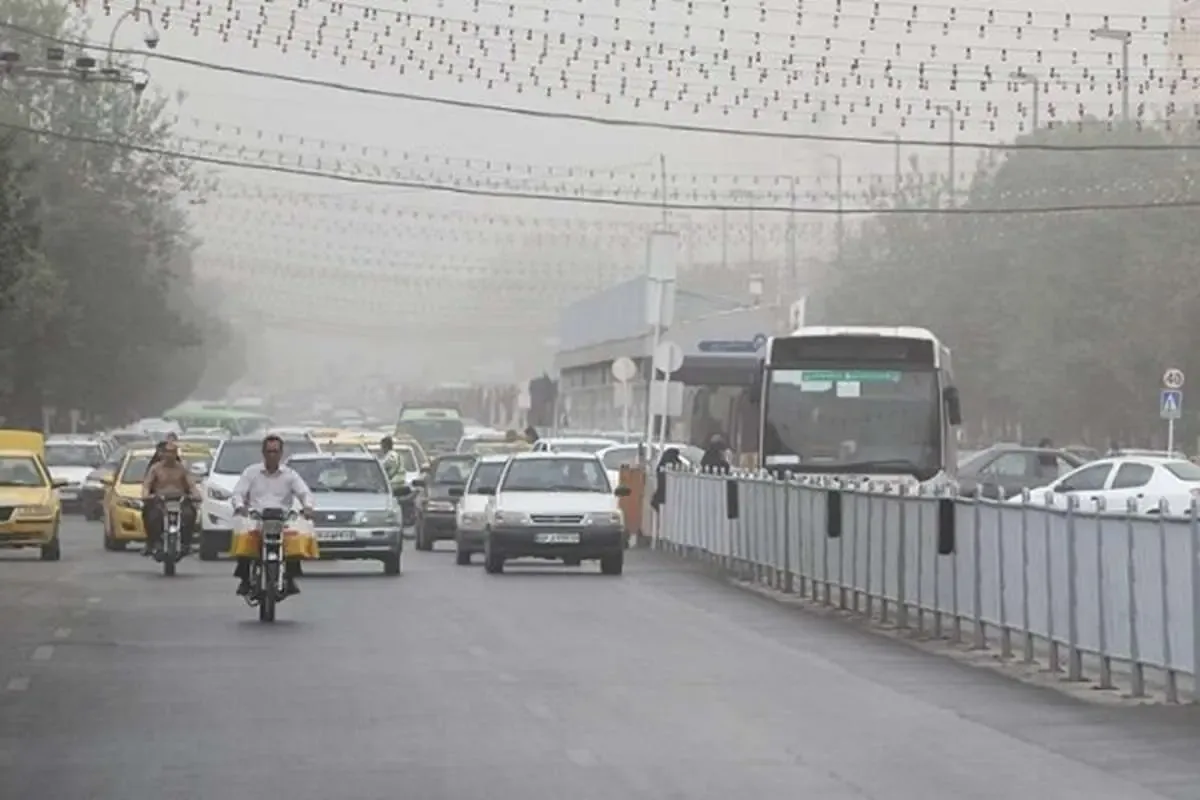
At the heart of this pollution spike lies a meteorological phenomenon known as atmospheric stability, which creates conditions where pollutants become trapped near the ground. The Meteorological Organization explains that temperature inversion—a situation where a layer of warm air sits above cooler air near the surface—prevents the normal vertical circulation that would otherwise disperse contaminants. This effect, combined with typical urban emissions from vehicles, industry, and other sources, creates conditions for air quality degradation. The organization's forecast indicates that without intervention, pollutant concentrations could reach levels deemed unhealthy, particularly for sensitive groups including children, the elderly, and those with respiratory conditions.
In response to the looming air quality crisis, authorities have issued a series of recommendations aimed at mitigating the health impacts and reducing the pollution's intensity. The public is strongly encouraged to shift toward public transportation as an alternative to private vehicles, which are a major source of urban emissions. Additionally, residents are advised to reduce their consumption of fossil fuels in daily activities and to limit prolonged outdoor exposure. For industrial facilities, the message is clear: implement stringent emission controls to prevent further deterioration of air quality. The warning also explicitly discourages waste burning, a practice that can significantly contribute to particulate matter in the already compromised atmosphere.
For industrial facilities, the message is clear: implement stringent emission controls to prevent further deterioration of air quality.
The coming days will test the effectiveness of the recommended measures and the collective commitment to reducing emissions. For now, the yellow alert serves as both a warning and a call to action—a reminder that in the face of environmental challenges, individual and collective responsibility can make a meaningful difference in safeguarding public health and the quality of urban life.