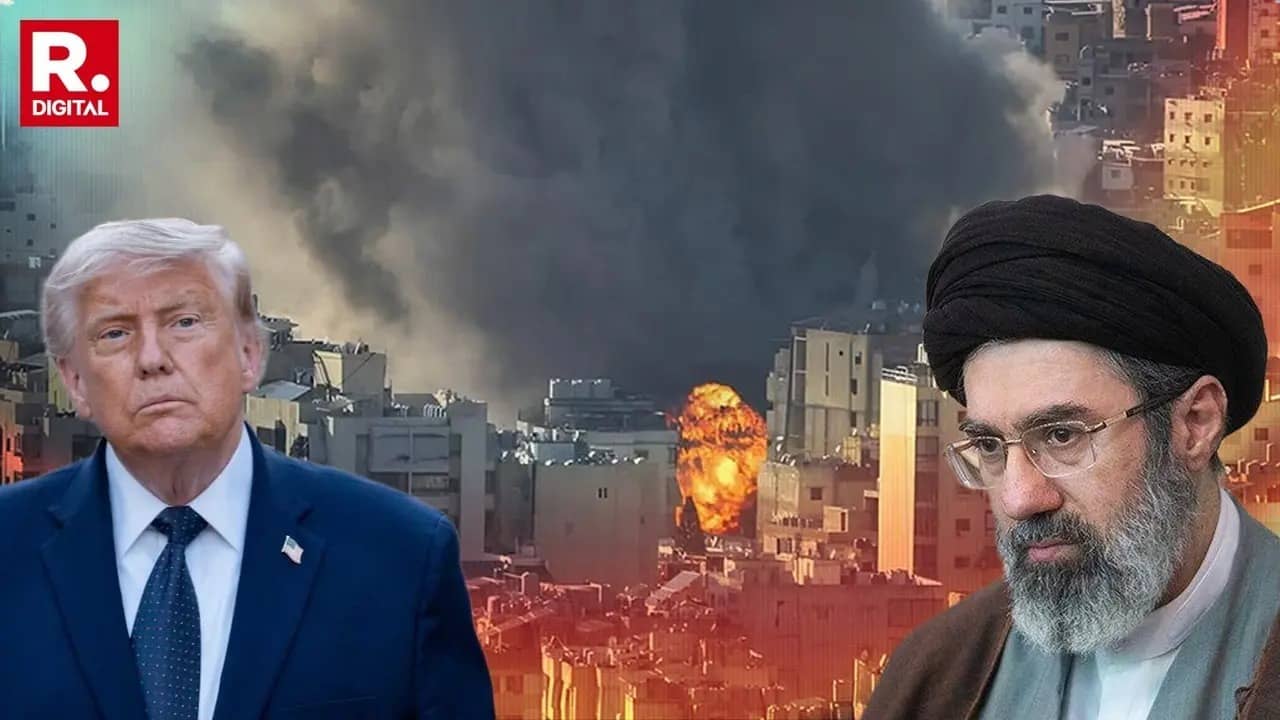
In the high-stakes theater of international diplomacy, history rarely repeats itself exactly, but it often rhymes. This week, the Iranian Ministry of Foreign Affairs signaled that it views recent accusations from the United States not as new intelligence, but as a recycled script. Following comments made by U.S. President Donald Trump on Fox News—in which he suggested that Iran might be pivoting toward the development of biological or chemical weapons following damage to its nuclear infrastructure—Tehran has launched a sharp, historical counter-offensive.
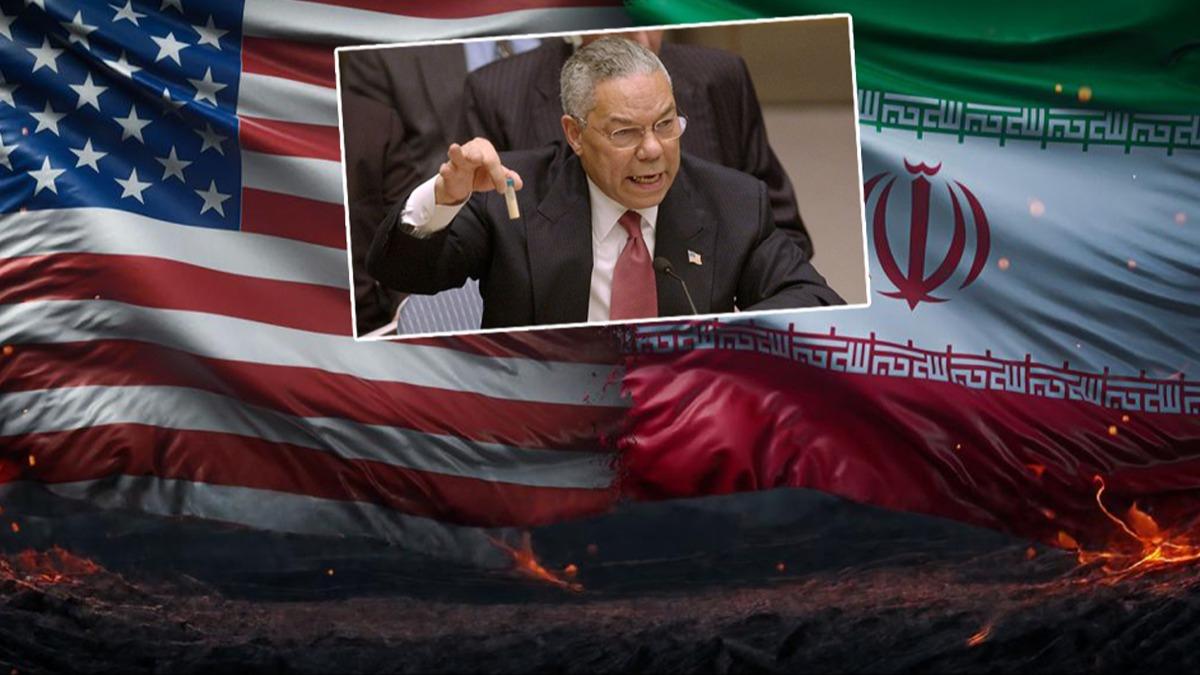
Esmail Baghaei, the spokesperson for Iran’s Foreign Ministry, has characterized these latest allegations as a "fraudulent script." To Baghaei and his colleague, Ismail Bekai, the current rhetoric is uncomfortably reminiscent of the lead-up to the 2003 invasion of Iraq. The core of their argument rests on a singular, potent symbol of that era: the intelligence claims regarding weapons of mass destruction (WMD) that were used to build public support for military intervention.
To drive his point home, Ismail Bekai took to social media, posting a photograph of former U.S. Secretary of State Colin Powell. The image captures a moment from February 5, 2003, when Powell stood before the United Nations Security Council, holding up a small vial as visual evidence of Iraq’s alleged WMD program. For many, that presentation remains the defining image of the intelligence failures that preceded the U.S.-led invasion of Iraq on March 20, 2003.
officials are now claiming that there are indications Iran is developing biological or chemical weapons!
Bekai’s message was blunt: he argued that the international community is being asked to suffer a bout of "collective amnesia." By invoking the "cake" symbol of that era—a reference to the flawed intelligence that justified the war—Iranian officials are accusing Washington of weaponizing unsubstantiated claims to manufacture consent for a new conflict. Baghaei echoed this sentiment, noting that while the allegations against Iran keep changing, the underlying narrative remains disturbingly familiar.

Iran rejects US claims of developing biological, chemical weapons https://t.co/5x8YXgGxV6
Baghaei pointed to what he describes as a shifting goalpost in U.S. policy. "After the grand narrative of the 'Iranian nuclear threat,' U.S. officials are now claiming that there are indications Iran is developing biological or chemical weapons!" he stated. This transition from nuclear concerns to unconventional weapons, according to Tehran, is part of a deliberate pattern designed to keep the pressure on Iran regardless of the specific nature of the accusation.
This climate of heightened tension is further complicated by reports from other observers. For instance, The New York Times has previously suggested that some Iranian dams were constructed with the intent of supporting underground military facilities, adding another layer of suspicion to the already fraught relationship between the two nations. Meanwhile, the regional security environment remains volatile; on November 20, the Saudi-led Arab Coalition reported that it had intercepted drone and missile attacks launched by Iran-backed Houthi forces in southern Saudi Arabia, a reminder that the geopolitical friction extends far beyond the diplomatic war of words.
As the rhetoric intensifies, the central question posed by Iranian officials is whether the world has learned the lessons of the early 2000s. Baghaei’s comparison of the global community to Dory, the forgetful fish from Finding Nemo, underscores a cynical view of how quickly past intelligence failures are forgotten in the face of new, urgent warnings.

For Tehran, the current situation is a test of international skepticism. By explicitly linking the current U.S. claims to the "fraudulent" intelligence that paved the way for the 2003 invasion, Iran is attempting to preemptively discredit any potential military escalation. As the situation stands, the diplomatic standoff remains deadlocked, with Iran firmly rejecting the allegations and Washington maintaining its focus on the potential for unconventional threats.

Iran rejects US claims of developing biological, chemical weapons; recalls Iraq WMD controversy Read @ANI Story | https://t.co/pmjCGhLDKE #EsmailBaghaei #Iran #US https://t.co/RsviaeVD0F