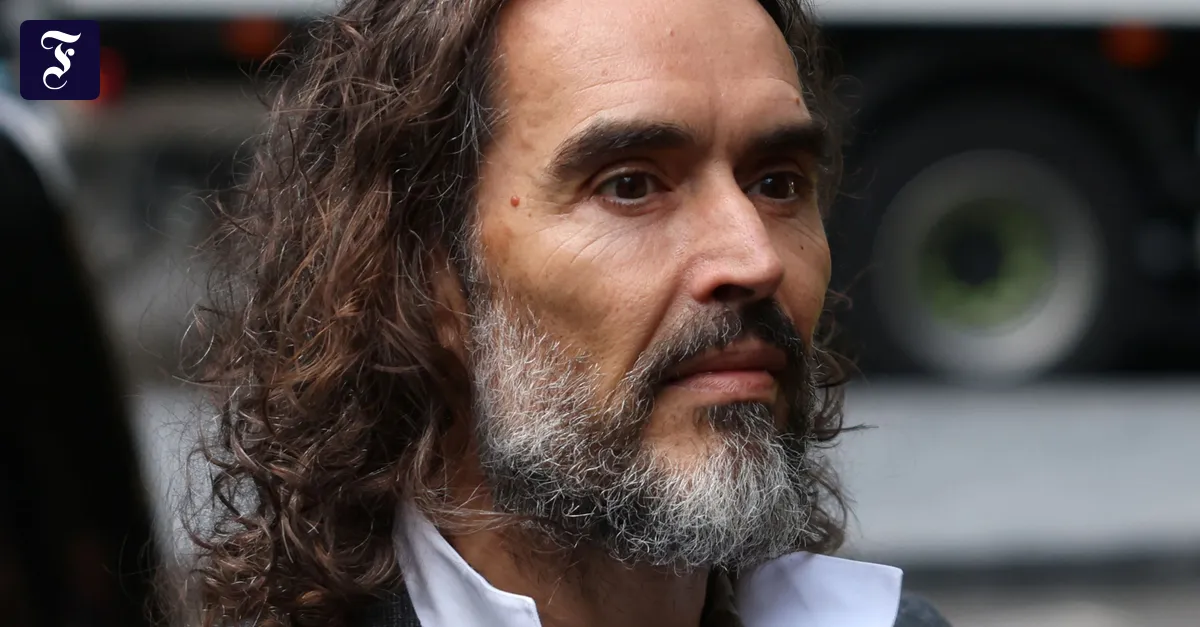
The Southwark Crown Court in London delivered a stunning verdict that reverberated through the entertainment world: Russell Brand, once a beloved figure in British comedy and Hollywood, was sentenced to ten and a half years in prison. The 51-year-old actor and former comedian stood accused of sexual misconduct, and after a trial that captivated public attention, a jury found him guilty of one count of rape and three counts of sexual assault. The victim, who was 21 years old at the time of the incidents, had come forward with allegations that would forever change Brand's trajectory.
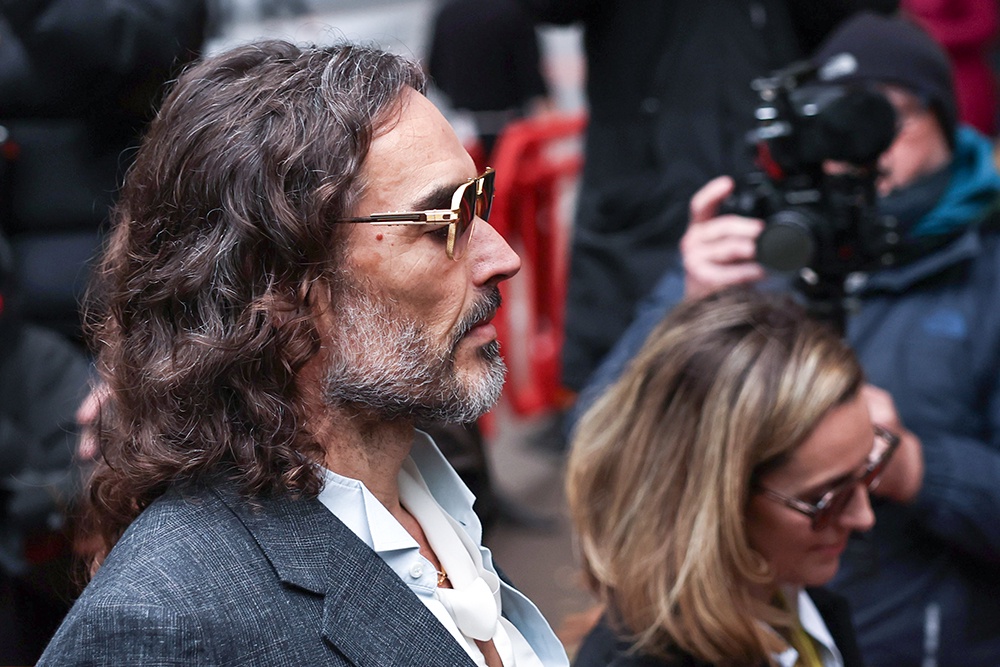
The jury's decision wasn't straightforward. While Brand faced multiple charges, including two additional rape counts and two more sexual assault allegations, he was acquitted of those specific accusations. The conviction, however, carried significant weight, establishing that he had indeed violated the trust of a fan who admired him. Throughout the trial, Brand maintained his innocence, denying all allegations with the same confidence that had once defined his public persona. The prosecution painted a different picture—one of a man who used his fame to exploit others for his own gratification.
During the trial, a critical assessment of Brand's character was presented. "He was unscrupulous, he was calculating, and he was manipulative and, according to the prosecution, a sexual predator," the statement emphasized the calculated nature of Brand's actions. The prosecution argued that Brand's fame and influence allowed him to manipulate vulnerable individuals, particularly young fans who looked up to him. "What was first for him was his insatiable desire to get what he wanted and from whoever he wanted it," the statement added, suggesting that Brand's actions were driven by a predatory mindset rather than misunderstanding or miscommunication.
Her presence in court underscored the personal stakes for Brand, who had built a career on his larger-than-life public image.
Brand's legal position maintained a contrasting view to the prosecution's allegations. His wife, Laura, stood by his side throughout the trial, offering testimony in his support and reinforcing the image of a man being accused. Her presence in court underscored the personal stakes for Brand, who had built a career on his larger-than-life public image.
Outside the courtroom, Brand's personal life has long been the subject of public fascination. His marriage to pop star Katy Perry, who is now 42, ended after just 14 months, though the reasons cited at the time were unrelated to the current charges. Brand's past has also been marked by headlines regarding his struggles with drug use, which he has previously discussed openly. These elements of his biography added layers to the public's understanding of him, though they remained separate from the legal proceedings that would ultimately determine his fate.
The sentencing on November 9, 2026, marked a dramatic fall from grace for a man who had once been a household name. Brand's career, which spanned stand-up comedy, acting, and media hosting, had already faced challenges in recent years, but the conviction and subsequent imprisonment represented a definitive end to his public prominence. The case also sparked broader conversations about power dynamics in the entertainment industry and the accountability of public figures who abuse their influence.
As Russell Brand begins serving his sentence, the case serves as a stark reminder of the consequences of sexual misconduct. The verdict has reinforced the legal system's willingness to hold celebrities accountable for their actions, regardless of their fame or previous standing. For the victim, the conclusion of the trial may bring a measure of closure, though the scars of the experience will likely endure. Meanwhile, Brand's legacy has been irrevocably altered, transforming from a figure of comedic brilliance to a convicted felon whose name is now synonymous with abuse of power.
