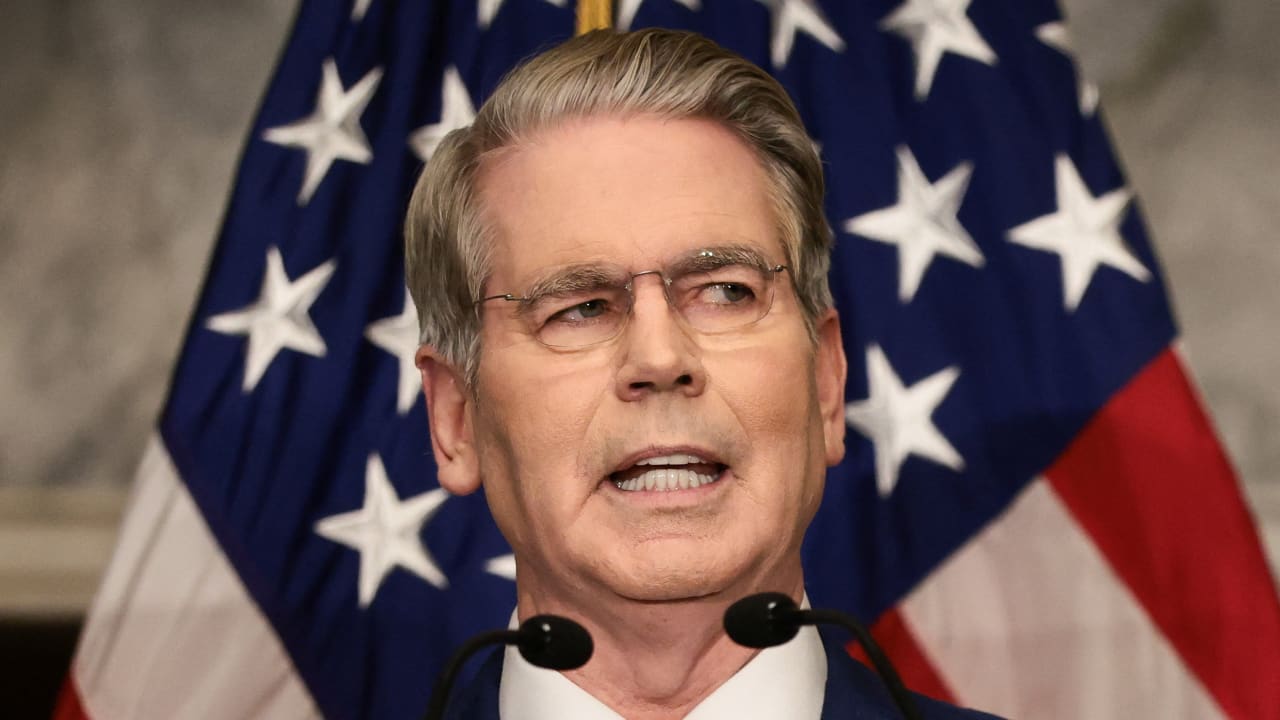
For Scott Bessent, the man tasked with managing the financial levers of American power, the transition from a private residence in the Washington area to the confines of a military base was not a choice made of preference, but of necessity. Following a chilling assessment from intelligence officials, the U.S. Treasury Secretary relocated his life behind fortified gates and security perimeters. The move follows an assessment that Iranian plots targeting American officials have escalated, reaching what experts describe as an advanced stage of development.
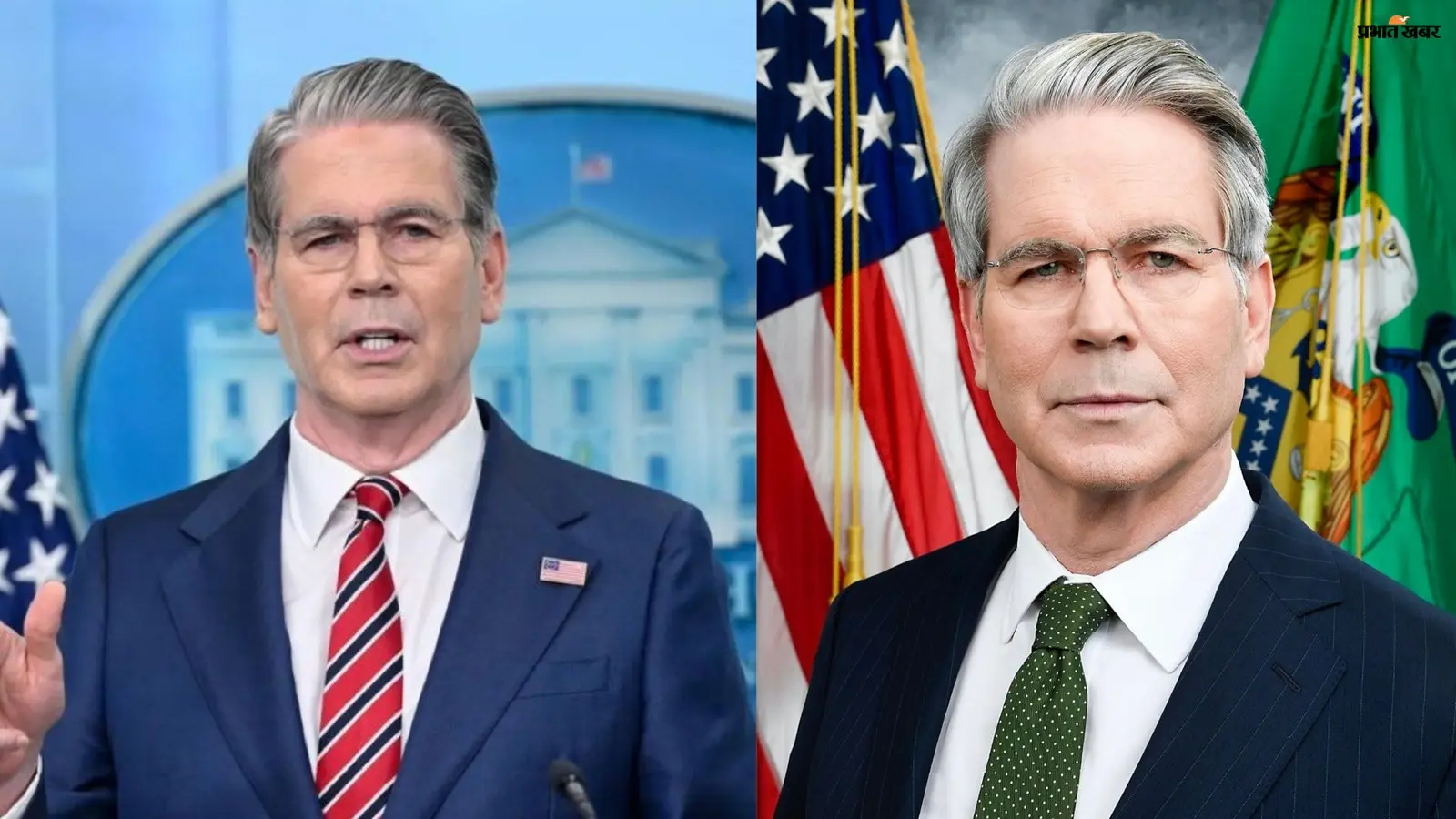
While U.S. officials have noted that Iran’s capacity to launch large-scale, direct attacks within the United States remains limited, the specificity and sophistication of the threats against high-ranking figures like Bessent necessitated a radical change in his daily reality. The Treasury Secretary, who oversees the nation's economic policy and the enforcement of international sanctions, now operates from a position of heightened physical vulnerability, even as he maintains his focus on the global financial battlefield.
Bessent’s relocation comes at a moment of profound tension in the relationship between Washington and Tehran. Since August, Bessent has been the architect of a sweeping economic pressure campaign designed to starve the Iranian regime of the resources it needs to project power. This is not merely a matter of diplomacy; it is a targeted effort to dismantle the financial lifelines of the Islamic Revolutionary Guard Corps (IRGC).
The administration aims to leverage the intense economic pressures managed by the Treasury to prevent a resumption of major military operations.
By imposing rigorous sanctions on specific individuals, private companies, and the complex maritime networks that facilitate Iran's oil trade, the Treasury Department has sought to choke off the revenue streams that fund Tehran's regional activities. The strategy is one of attrition, attempting to turn the regime's own economic dependencies against it. For Bessent, the mission remains unchanged despite the personal risks: the goal is to restrict the funding available to the IRGC and force a shift in the regime's behavior through financial isolation.
This economic siege does not exist in a vacuum. It is the secondary front in a much larger, more violent struggle that has reshaped the Middle East. On February 28, a massive military offensive involving both the United States and Israel began against Iranian interests. This kinetic conflict has fundamentally altered the human geography of the region.
The scale of the devastation is immense. The ongoing military operations have resulted in thousands of deaths and the displacement of millions of people. The conflict has also struck at the very heart of the Iranian leadership, claiming the lives of several senior officials, including the former Supreme Leader, Ayatollah Ali Khamenei. The violence on the ground has created a volatile environment where the lines between economic policy and military engagement are increasingly blurred.
The Trump administration’s approach is a dual-track doctrine: use the hammer of military force to degrade capabilities and the scalpel of economic sanctions to prevent the escalation of total war. The administration aims to leverage the intense economic pressures managed by the Treasury to prevent a resumption of major military operations. The logic is that if the cost of maintaining a military posture becomes economically unsustainable for the Iranian regime, the incentive for further large-scale conflict diminishes.
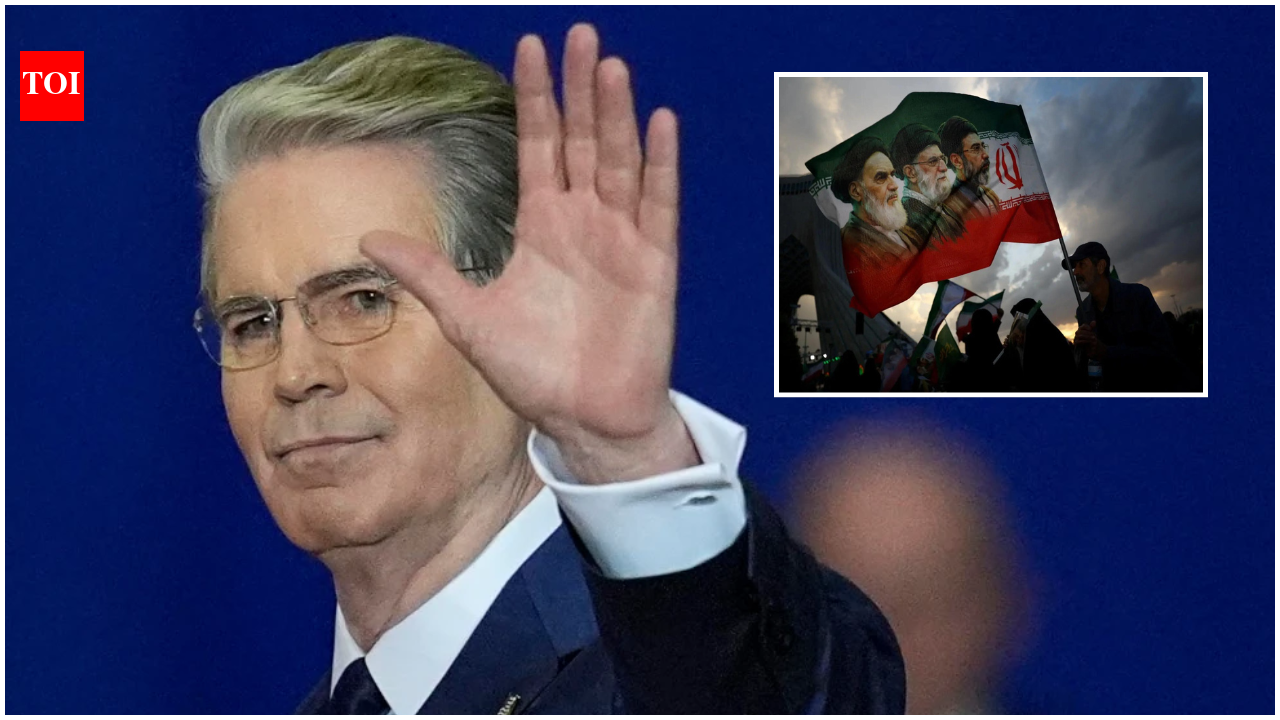
It is a high-stakes gamble. The administration is attempting to use the Treasury's power to create a ceiling on the conflict, hoping that the financial suffocation of the regime will act as a stabilizer even as the military offensive continues to churn. The economic campaign is intended to be the mechanism that eventually brings the kinetic violence to a controlled conclusion.

Iran is preparing for a surprise attack, the US Treasury Secretary has left home and taken refuge at a military base"! Dear @grok confirm this news.
Despite the heightened security and the looming shadow of Iranian retaliation, the official stance from Washington remains one of unyielding resolve. The threats that prompted Bessent's move to a military base have not slowed the momentum of the Treasury's operations. There is a sense that the administration views the threats not as a reason to retreat, but as a confirmation of the effectiveness of their current trajectory.
"We will not be deterred by the Iranian regime’s threats," a spokesperson for the Treasury Department stated. This sentiment underscores the administration's belief that the economic campaign must continue unabated, regardless of the personal risks posed to the officials leading it. The move to the military base is a tactical adjustment to ensure the continuity of the mission, rather than a retreat from the confrontation.
As of now, the situation remains in a state of intense, multi-dimensional conflict. Scott Bessent continues to lead the economic charge from his secure location, managing the sanctions that target the very networks the Iranian regime relies upon for survival. The military offensive that began in late February continues to exert pressure on the ground, while the economic pressure campaign initiated in August continues to tighten around the regime's financial arteries.
The world is watching to see if this combination of military strikes and economic strangulation can achieve its ultimate goal: the containment of Iran's influence.