
In a federal courtroom in Brooklyn, a jury has just completed a marathon legal reckoning that touches on the very heart of global technological competition and international sanctions. The verdict against the Chinese technology giant Huawei is a nuanced one, a mixture of significant legal defeats and narrow escapes. After weighing the evidence, the jury found the company guilty on ten of the twelve charges brought against it, including conspiracy to steal trade secrets and committing fraud against banks.
However, the prosecution did not secure a total victory. In a critical reprieve for the tech firm, the jury acquitted Huawei of its most serious charge: criminal conspiracy. This distinction is vital, as it separates the company's legal culpability from the highest level of organized criminal intent sought by the United States government. While the company faces a mountain of convictions, the acquittal on that central charge provides a foothold for the defense as they prepare for the next stage of this legal saga.
At the center of the prosecution's case was a narrative of systematic efforts to acquire the technological advantages of American rivals. The jury heard allegations that Huawei sought to bridge the gap in its own capabilities by obtaining proprietary technology from a litany of major U.S. players. The names brought before the court read like a directory of the telecommunications industry: Cisco Systems, Motorola Solutions, T-Mobile, Fujitsu, and Quintel USA.
The courtroom became a theater for two vastly different interpretations of the same events.
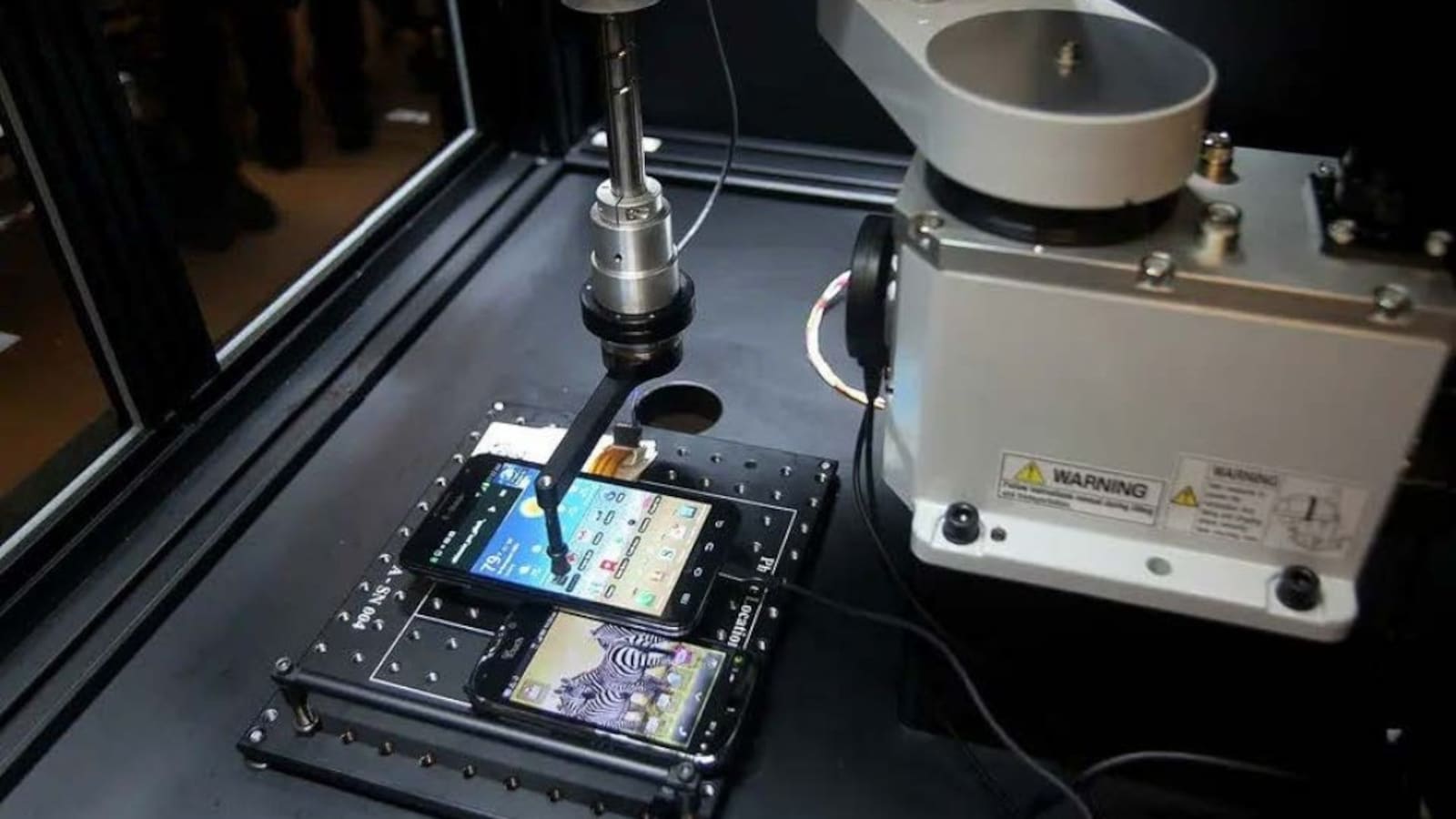
The evidence presented suggested a pattern of behavior that went beyond simple corporate espionage. Prosecutors alleged that Huawei employees engaged in direct, physical efforts to secure secrets, such as photographing circuit boards at rival trade-show booths and even removing robotic arms from competitor laboratories. These were not merely digital breaches, but tactile, hands-on attempts to strip away the intellectual property that fuels the American tech sector.
Beyond the theft of hardware and code, the trial delved into the murky waters of international finance and geopolitics. The jury was tasked with determining whether Huawei had intentionally obscured its footprint in countries subject to strict U.S. scrutiny. Specifically, prosecutors alleged that the company conducted business in Iran and North Korea, and in doing so, misled both U.S. officials and financial institutions.
By allegedly misleading banks about its dealings in Iran, Huawei was accused of navigating around the complex web of international sanctions that govern global trade. This aspect of the trial moved the case from a dispute over corporate property into the realm of national security and the integrity of the global banking system. The conviction on these counts suggests the jury found the evidence of deception regarding these sanctioned territories to be compelling.
The courtroom became a theater for two vastly different interpretations of the same events. The prosecution relied on a massive evidentiary foundation, calling sixty witnesses to the stand to build a case of organized misconduct. In contrast, the defense presented fifteen witnesses, attempting to frame the company’s actions not as a centralized mandate, but as a series of disconnected errors.
Brian Heberlidge, representing Huawei, argued that the prosecution had attempted to paint a picture of a monolith when, in reality, they were looking at isolated employee mistakes. Heberlidge pointed to the jury's decision to acquit on the most serious conspiracy charges as evidence that the government's overarching theory of the case was flawed. "The jury’s acquittal on some serious charges is a big blow to the government’s claims," he noted, suggesting that the company's leadership was not part of a coordinated criminal enterprise.
This trial is not an isolated event but rather the culmination of a legal tension that has been simmering for years. The United States had previously brought criminal charges against Huawei in 2019, driven by mounting security concerns regarding the company's role in global infrastructure. The current convictions represent a significant development in a legal conflict that has spanned half a decade, moving from initial accusations to a definitive jury verdict.
As the company processes the outcome, its stance remains one of defiance and procedural recourse. Huawei has already signaled its intention to appeal the verdict, seeking to overturn the ten counts of which it was found guilty. The company maintains a position of integrity, asserting its commitment to business ethics and the respect of intellectual property.
While the jury has spoken, the legal consequences for Huawei are far from settled. The company now enters a period of intense litigation as it moves toward sentencing. The stakes are astronomically high; the company could face fines totaling billions of dollars.
All eyes are now turned toward September 2027, the date set for potential sentencing. For now, the Brooklyn verdict stands as a landmark moment in the intersection of technology, law, and international relations—a complex judgment that acknowledges both the company's transgressions and its legal defenses.