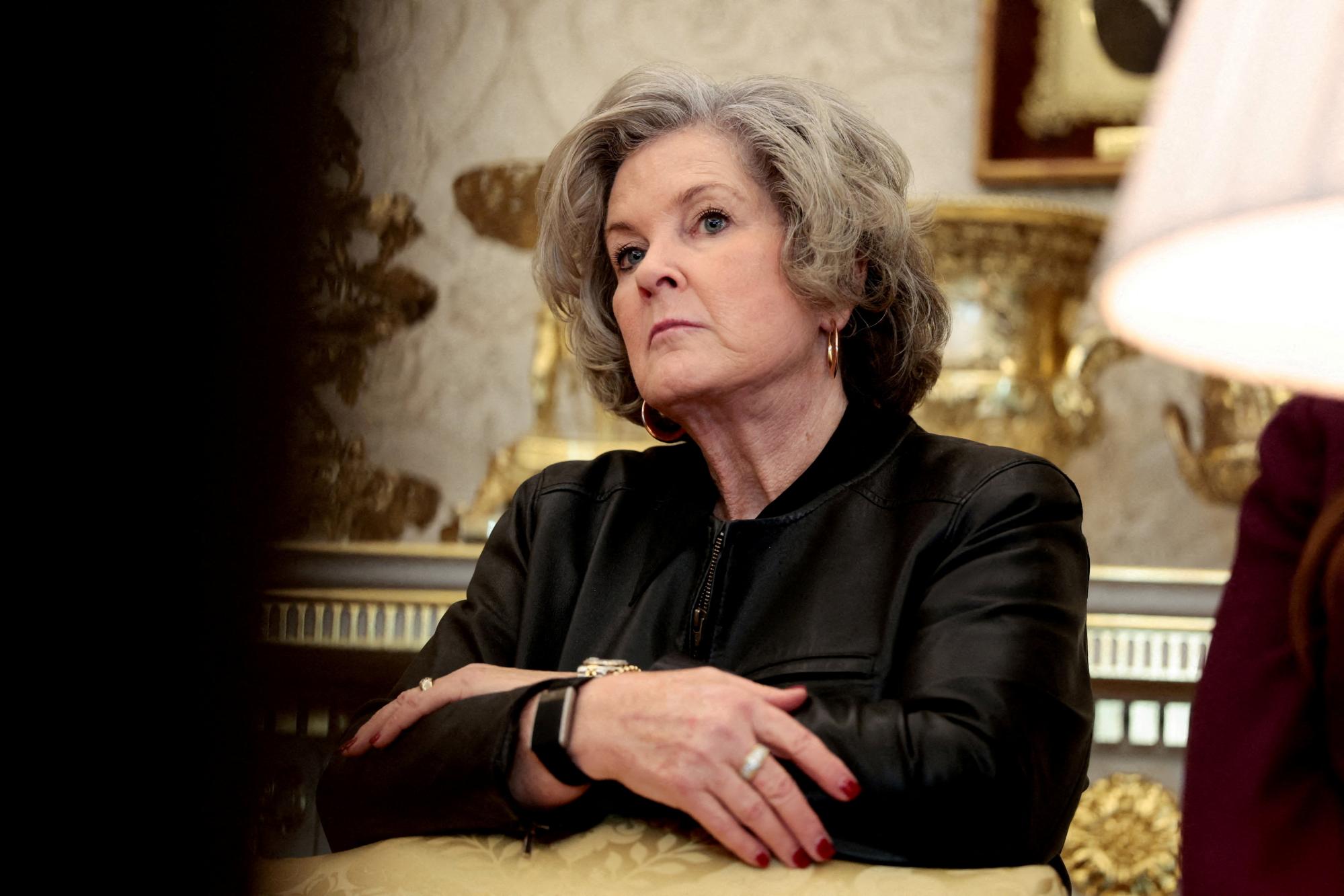
For a moment, the West Wing felt like a fortress under a quiet siege. The midterm elections had just delivered a brutal verdict, stripping Republicans of their grip on both the House and the Senate. Before the dust could settle on November 6, 2026, the internal architecture of power began to shift. By the end of the week, the woman who had managed the chaos of a presidential campaign and tried to impose order on a turbulent White House was gone. The president had already chosen her replacement: Stephen Miller, a loyalist whose name is synonymous with the administration’s most unyielding impulses.
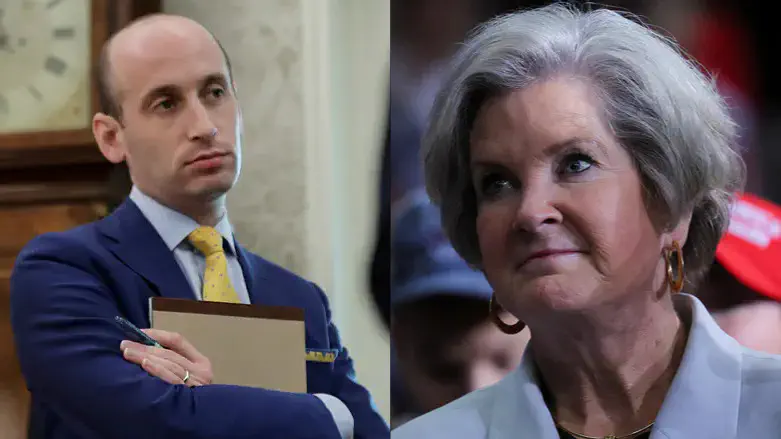
The departure was swift and surgical. Wiles, who had managed the campaign, tendered her resignation privately. In a statement, she framed her tenure not as a retreat but as a completed mission. “Serving President Trump in the White House has been the honor of a lifetime,” she said. “I’m so proud to have been a part of what we’ve accomplished together, from securing our border and cutting taxes to strengthening our economy and putting America First.” It was a valediction that mirrored the president’s own language, a final act of message discipline from an operative who had always worked best in the shadows.
President Trump announced the change with a characteristic blend of praise and pragmatism. “I wanted to make a change … I think Susie’s done a very good job,” he said, before pivoting to the logic of the moment. “Stephen’s been great, and sometimes in life, you gotta make moves.” The official announcement, declaring Miller’s promotion effective Monday, November 9, 2026, was more formal. “I am pleased to announce that Mr. Stephen Miller, the current Deputy Chief of Staff of the Trump Administration, and one of my most trusted advisors, will become the Chief of Staff,” the president stated. He lauded Miller’s longevity: “Stephen’s been with me from the beginning. He gets it, very good politically, and he’s a very good man.”
” To understand the pivot, one must understand the man stepping into the corner office.

President Trump is the most transformative political leader in American History — and he has single-handedly saved America from those who would destroy it. It has been the privilege of my lifetime to have served on his team from Day One, and I am honored beyond words to serve as his White House Chief of Staff. I want to thank the incomparable Susie Wiles for her years of devoted service to the President and the Country, and for her friendship. The mission now is more clear than ever: Fight with all of our soul to support our President and defend this magnificent Republic.
To understand the pivot, one must understand the man stepping into the corner office. Stephen Miller was not merely a deputy chief of staff for policy and homeland security adviser; he was the chief architect of the administration’s aggressive immigration crackdown—the intellectual engine behind mass deportations and tighter border enforcement. His elevation is not a mere personnel swap. It is a declaration of intent. With Democrats poised to use their new congressional majority to launch investigations into federal agencies, the White House is turning to a figure known for his confrontational style. Miller’s role is to prepare the fortress for a siege, to wage political warfare from the West Wing.
Wiles’s exit does not exist in a vacuum. It is the latest in a series of high-profile resignations of women from the administration, a list that includes Katie Zacharia, Kristi Noem, and Pam Bondi. This broader trend has not gone unnoticed. Former White House adviser Steve Bannon and former staffer Caroline Sunshine had publicly called for changes to the White House leadership in the immediate aftermath of the election losses, a pressure campaign that framed the midterm defeat as a failure of management. Wiles, who had been a stabilizing force, found herself caught between a president who craves loyalty above all and a political base demanding a more pugilistic stance against a resurgent Democratic Party.

Trump’s New White House Chief of Staff HIRE Just ROCKED The World… Stephen Miller was just named to the role, replacing Susie Wiles, who will be moving back to the political side. He is the architect behind Trump’s most effective immigration and America First policies and is one of the administration’s greatest assets. Solid move. It’s Miller Time 🔥
Wiles will not disappear entirely from the Trump universe. The president indicated she would move to his political operation, a transition that keeps her inside the tent but strips her of the executive authority she wielded. It is a soft landing that acknowledges her value while clearing the deck for Miller’s harder edge. The president’s public praise—that she had done an “outstanding job” securing the border, cutting taxes, and strengthening the economy—served as both a eulogy for her tenure and a justification for the shake-up. In Trump’s telling, the mission of the first term’s twilight requires a different kind of soldier.
The timeline is dizzying. On November 6, Republicans lost Congress. On that same day, the replacement was announced. By November 9, Miller was in the chair. The speed underscores the urgency. The administration expects Democrats to wield their investigative powers like a cudgel, and Miller, with his deep institutional knowledge and reputation for intransigence, is the chosen shield. “Stephen’s been with me since the beginning,” Trump repeated. “He gets it.” In a White House that often views politics as a zero-sum war, getting it means never blinking first. As Wiles steps back into the political operation, she leaves behind a West Wing that is now explicitly organized for combat, its gates manned by the architect of its most defining and divisive policies.