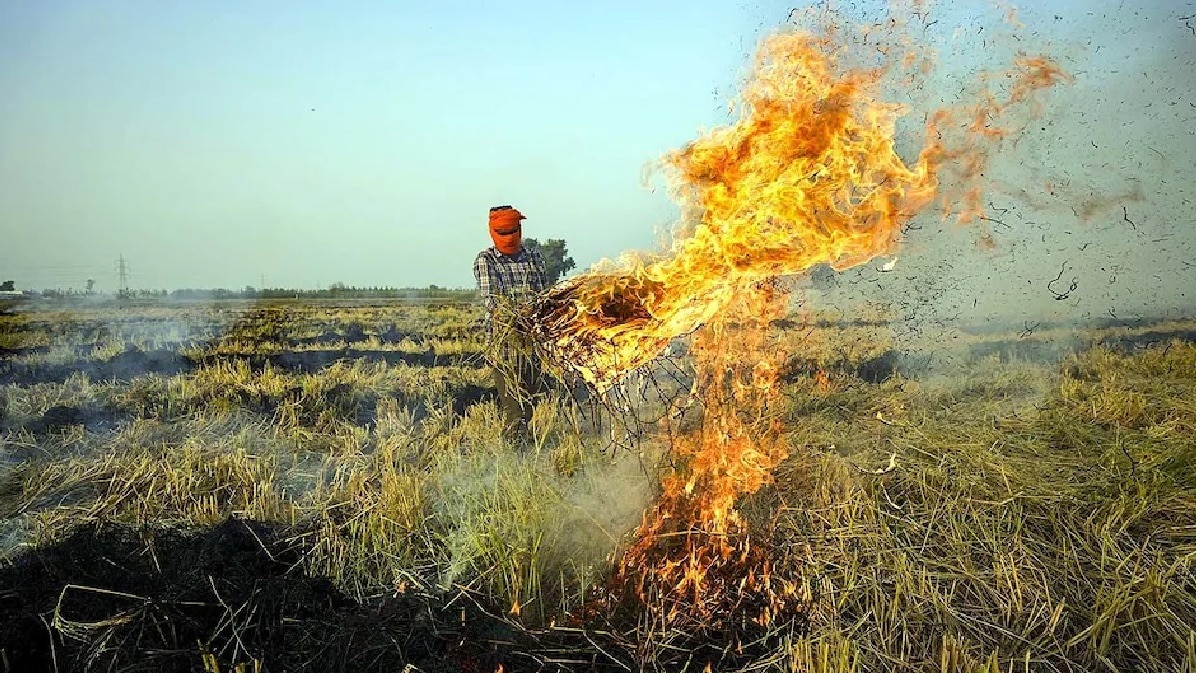
Across the vast, fertile plains of Punjab, a familiar and hazardous cycle has once again taken hold. As of November 16, 2026, the state has recorded 5,972 incidents of parali burning—the practice of incinerating crop residue left over after the harvest. This agricultural tradition, intended to clear fields quickly for the next planting cycle, has transformed into a significant environmental challenge, blanketing the region in smoke and raising urgent questions about public health and land management. The sheer scale of the phenomenon is evident in the numbers, which reflect a widespread struggle to contain the fires as they spread across district lines.
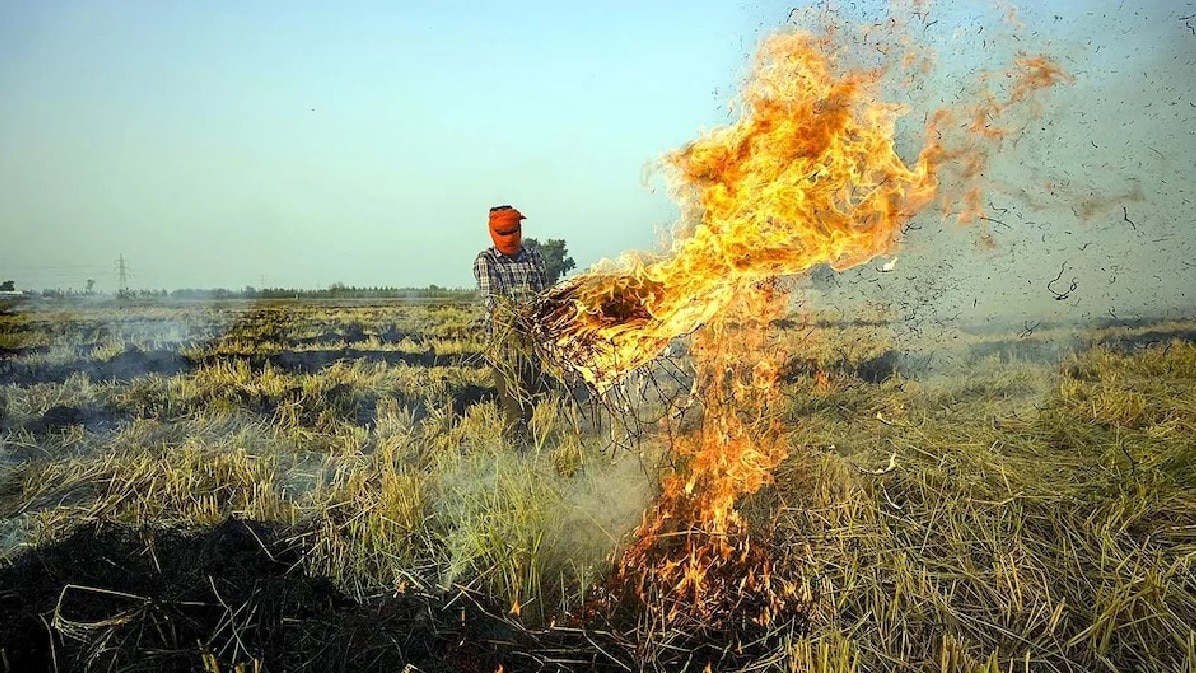
The intensity of the burning is not uniform, with certain districts emerging as the primary epicenters of the activity. Firozpur currently leads the state, having recorded 817 cases of crop residue burning. This figure highlights the immense pressure on local administrative resources as they attempt to monitor and mitigate the fires. Close behind are Tarn Taran, with 700 recorded incidents, and Sangrur, which has seen 689 cases. These numbers serve as a grim map of the current crisis, illustrating how the practice remains deeply embedded in the farming operations of these specific regions.
In Patiala, the administration has adopted a more granular approach to enforcement, offering a window into the complexities of policing agricultural practices. Officials there have conducted extensive field inspections, visiting 360 sites to verify reports of burning. Of those, 227 cases were officially confirmed. This verification process is a critical step in the state’s strategy, as it moves beyond satellite data to establish legal accountability on the ground. By systematically inspecting fields, the local government is attempting to bridge the gap between the visible smoke and the individual farmers responsible for the fires.
For those found in violation of environmental standards, the consequences are becoming increasingly tangible.
For those found in violation of environmental standards, the consequences are becoming increasingly tangible. Under the state’s Environmental Compensation rules, fines have been imposed in 167 cases within Patiala alone, totaling 8.40 lakh rupees. While the recovery of these funds—3.10 lakh rupees to date—is underway, the process underscores the difficulty of enforcing financial penalties in a rural setting. These fines are intended to act as a deterrent, yet they also highlight the tension between the immediate economic needs of farmers and the broader environmental health of the state.
Financial penalties are only one tool in the administration’s growing arsenal. In Patiala, the response has been multifaceted: 219 FIRs have been filed, signaling a shift toward criminalizing the practice for repeat or severe offenders. Furthermore, the authorities have issued 390 warning and show-cause notices, attempting to compel compliance through administrative pressure. Perhaps most significantly, the government has begun placing 'red entries' in revenue records for 140 cases. This administrative mark can have long-term consequences for a farmer’s land title and credit access, representing a significant escalation in the state’s effort to curb the burning.
As of November 16, 2026, the administration remains in a state of high alert. The enforcement efforts are not limited to a single district but are part of a broader, state-wide strategy to manage the environmental fallout of the harvest season. The combination of inspections, legal filings, and revenue record entries reflects a determined, if difficult, attempt to change agricultural behavior. As the season progresses, the success of these measures will depend on the state’s ability to maintain this level of oversight while addressing the underlying economic realities that drive farmers to set their fields ablaze.