
The video shoot was supposed to be a routine production for Nauman Hassan, a popular content creator on TikTok. He had traveled to a farmhouse owned by Fayaz Ahmad, a location likely chosen for its open spaces and potential for visual flair. The plan was simple: capture a moment for his digital audience. But the script was immediately abandoned when a wild animal, a lioness, escaped her enclosure. The result was a sudden, fatal confrontation that would upend the lives of everyone involved.
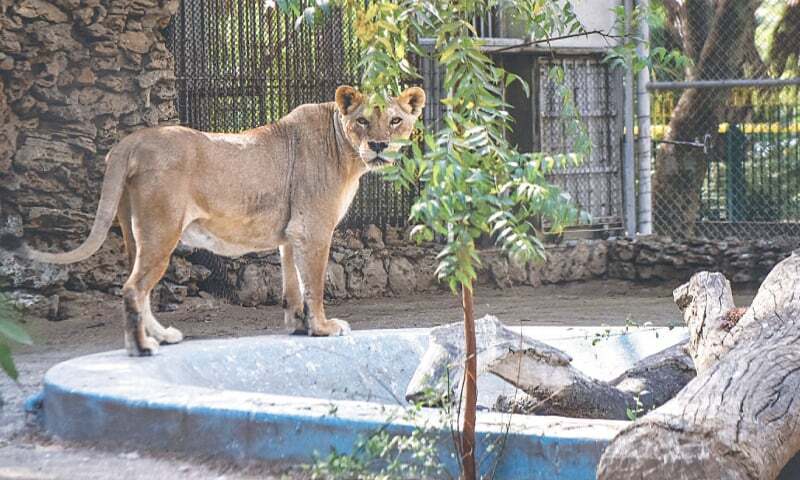
Talha was killed when the lioness went out of control during the video shoot. The incident, a tragic collision of human entertainment and wild nature, quickly moved from a crime scene to a courtroom. The legal process, however, took an unexpected turn, driven by the personal convictions of the victim's family.
When Fayaz Ahmad and Nauman Hassan were produced before Magistrate Qaiser Riaz on November 15, 2026, the atmosphere in the courtroom was likely tense. The prosecutor, representing the state, argued against bail. The severity of the offense, the loss of a human life, and the inherent danger of the incident were all cited as reasons to keep the suspects in custody. The legal system, in its standard operation, would have been expected to weigh these factors heavily.
They stated clearly that they had no objection to the suspects' release, effectively removing the primary obstacle to their freedom.
Yet, the narrative was soon overtaken by a more powerful force: the will of the victim's heirs. In a display of profound personal sacrifice, the legal heirs of Talha stood before the magistrate. They did not seek retribution or a lengthy trial. Instead, they issued affidavits pardoning the two suspects. Their decision was rooted in a higher calling, a plea for mercy in the name of Allah Almighty. They stated clearly that they had no objection to the suspects' release, effectively removing the primary obstacle to their freedom.
The prosecutor's plea for police remand was denied. Magistrate Qaiser Riaz, faced with the unequivocal pardon from the victim's family, granted bail to both Fayaz Ahmad and Nauman Hassan. The court's action was swift and decisive. To secure their release, each suspect was required to post a surety bond of Rs50,000. This financial guarantee served as a condition of their freedom, a measure to ensure they would appear for future proceedings if required.
The granting of bail was not a dismissal of the incident. The legal reality of the event remained; a man had died. However, the judicial process was now fundamentally altered by the family's intervention. The state's interest in prosecution was balanced against the personal desire for peace and forgiveness. The magistrate's ruling acknowledged this balance, allowing the suspects to return to their lives while the legal record of the tragedy remained.
The case serves as a stark reminder of the unpredictability of life and the power of personal choice within the bounds of the law. The forgiveness granted by the heirs of Talha was a final, definitive act that concluded the immediate legal battle. The two suspects, having posted their bonds, walked out of the courtroom, their fate in the hands of the family they had wronged and the legal system they had navigated. The incident, born from a video shoot, ended with a video of a different kind: a testament to the capacity for mercy in the face of tragedy.