For the millions who rely on Bangladesh’s garment sector, the hum of sewing machines is more than just industrial noise; it is the heartbeat of the national economy. Yet, that rhythm has been fractured by a wave of unrest that has brought production to a standstill in some of the country’s most critical manufacturing corridors. In Savar, Ashulia, and Gazipur—regions synonymous with the global apparel supply chain—the atmosphere is thick with uncertainty. As workers take to the streets to demand a living wage, the industry’s leadership has reached a breaking point, signaling that the current state of disruption is no longer sustainable for those who own and operate the factories.
At the center of this dispute is a fundamental disagreement over the value of labor. Worker representatives have formally proposed a minimum wage of Tk 32,000, a figure that reflects the rising cost of living and the aspirations of a workforce that powers one of the world’s most competitive export sectors. This demand is currently being considered by the Wage Board, which is set to hold its third meeting on Monday. With the board’s upcoming session, the pressure on all parties to find a middle ground has never been higher.

The workers and employees saw the closure notice when they went to work at the factory this morning… #FactoryWorkers https://t.co/D9TVYirG0t
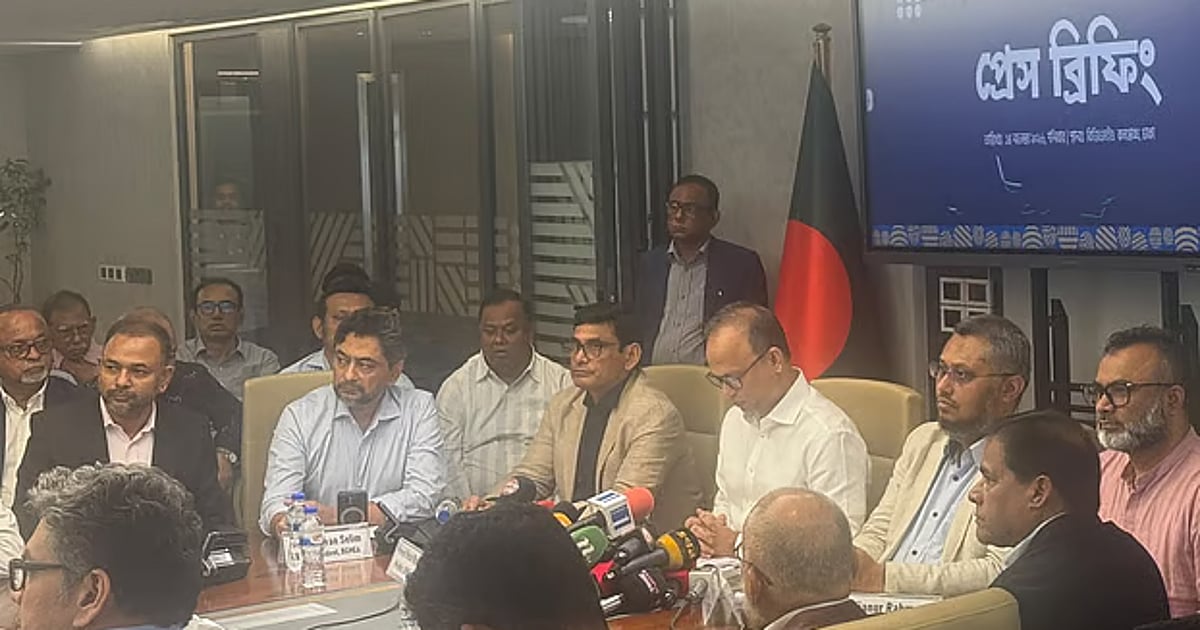
Recently, the gravity of the situation was made clear during a joint meeting that brought together over a thousand garment factory owners. Represented by the Bangladesh Garment Manufacturers and Exporters Association (BGMEA) and the Bangladesh Knitwear Manufacturers and Exporters Association (BKMEA), the collective voice of the industry owners was firm. They are not merely observers of the protests; they are stakeholders facing the immediate, tangible costs of idle machinery and missed export deadlines. The scale of the meeting underscored the desperation within the ownership class to restore order to a sector that is currently reeling.
Starting Sunday, any worker who fails to report for their shift will be subject to the financial realities of this statute.
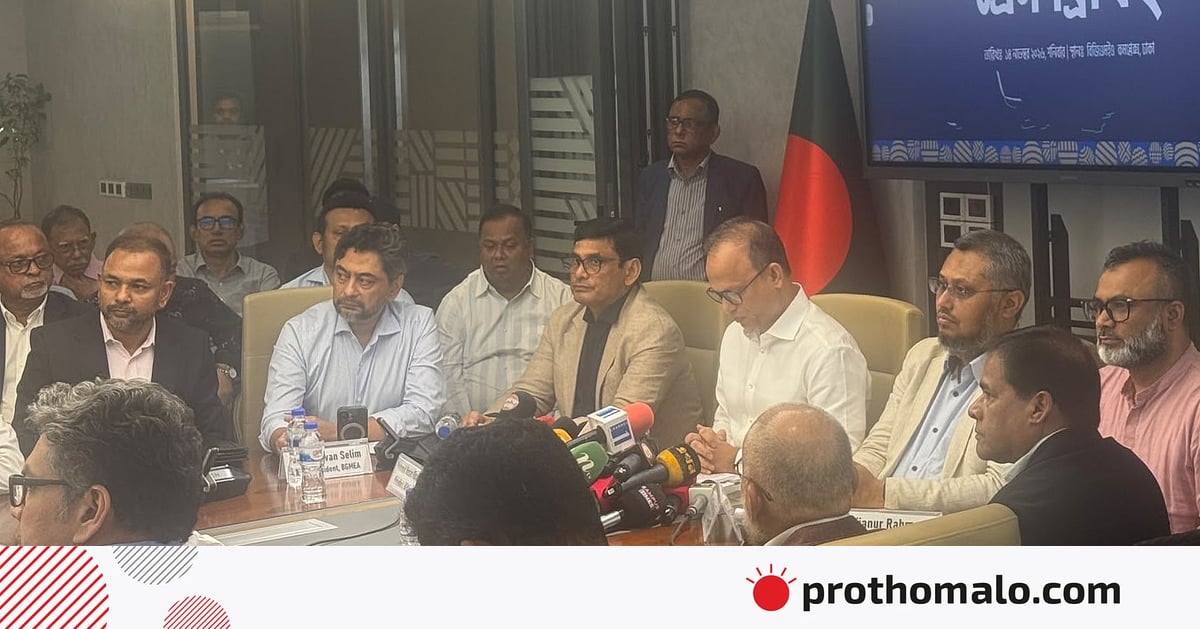
During a press conference, the BGMEA and BKMEA leadership announced a decisive move: the enforcement of Article 13(1) of Bangladesh’s Labour Law. This provision, which dictates a policy of 'no work, no pay,' serves as a blunt instrument in labor disputes. By invoking this law, factory owners are signaling that the grace period for the ongoing protests has expired. Starting Sunday, any worker who fails to report for their shift will be subject to the financial realities of this statute. It is a high-stakes gamble intended to compel a return to work, but it carries the risk of further alienating a workforce already feeling the squeeze of economic hardship.

• Indefinite closure of another factory • Several injuries reported #beximco #RMG #gazipur #garments #Bangladesh https://t.co/0wJNS7BwZE
The impact of the current unrest is not abstract; it is etched into the landscape of Bangladesh’s industrial heartland. Currently, 55 factories in Savar, Ashulia, and Gazipur have been forced to close indefinitely, their gates locked as owners grapple with the inability to maintain a stable environment. Beyond these indefinite closures, another 92 factories have been forced to halt production entirely. This represents a significant portion of the region's output, creating a ripple effect that threatens the stability of the entire garment ecosystem.
Even as the threat of mass closures looms, there are voices urging a step back from the brink. Recently, five workers' organizations held a joint press conference, attempting to bridge the widening chasm between the factory floors and the executive offices. Their message was one of patience and dialogue, a plea for both sides to remain at the negotiating table rather than retreating into the trenches of economic warfare. These labor leaders recognize that a total collapse of the industry would serve neither the owners nor the workers, yet they face the difficult task of managing the frustrations of a workforce that feels its demands have been ignored for too long.

RMG workers halt traffic in city: Workers block Badda-Rampura road protesting firing of workers and factory closure. http://t.co/zMwzFr0o
As the industry approaches the weekend, the situation remains fluid. The threat of the 'no work, no pay' policy beginning on Sunday hangs over the sector like a storm cloud. Whether this ultimatum will force a return to the machines or ignite further protests remains to be seen. For now, the eyes of the industry are fixed on the upcoming meeting of the Wage Board, where the hope for a resolution—or the fear of further escalation—will be decided. In the balance lies the future of the workers who sew the world’s clothes and the owners who must navigate an increasingly volatile economic landscape.