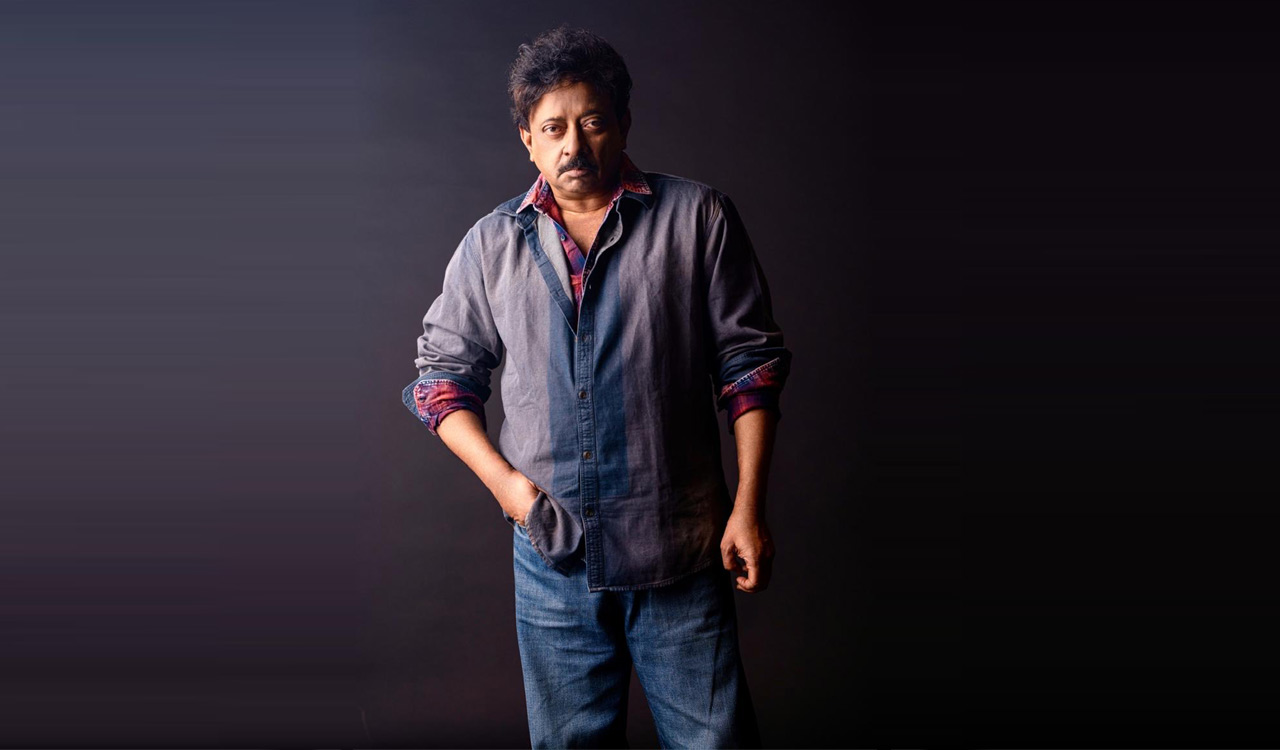
In the glittering world of Indian cinema, few productions have generated as much buzz as 'Ramayana: Part 1,' the ambitious film starring Ranbir Kapoor and Yash. Released on November 5, 2026, the epic has captivated audiences, but behind the scenes, a financial debate has emerged that's almost as dramatic as the on-screen action. Filmmaker Ram Gopal Varma has stepped forward to challenge the widely reported budget figures, offering a perspective that could reshape how the industry and public understand this monumental production.
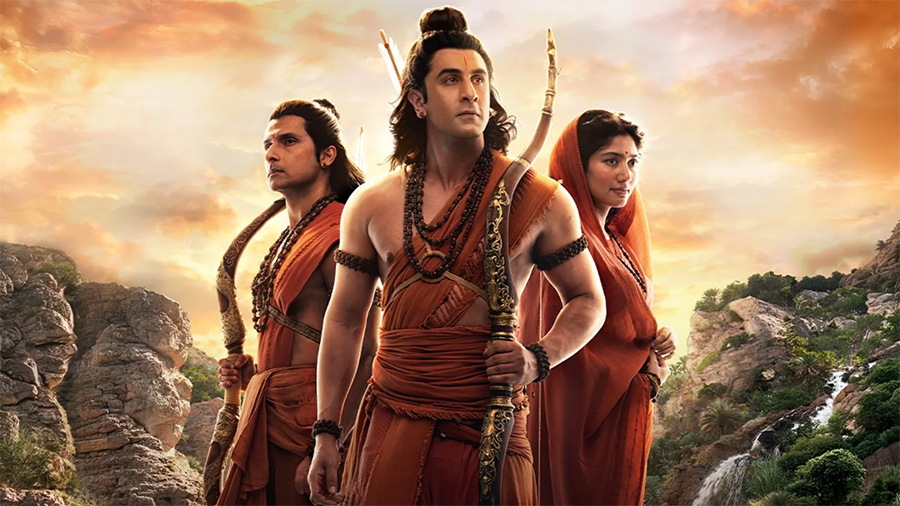
Since its announcement, 'Ramayana: Part 1' has been associated with staggering financial figures. The most commonly cited number suggests a combined budget of Rs.4,000 crore for both parts of the franchise. This astronomical sum has become part of the film's legend, reinforcing its status as perhaps the most expensive Indian film ever made. Such numbers naturally generate headlines and public fascination, positioning the production as unprecedented in scale and investment.

#Ramayana Overseas Day 1: $5.60M Day 2: $4.85M Day 3: $7.55M Day 4: $6.35M Day 5: $3.75M Day 6: $3.75M Day 7: $3.70M Day 8: $2.45M Day 9: $2.85M Day 10: $5.25M Total: $46.1M (₹ 435 crore)
Now, Ram Gopal Varma has thrown a wrench into this narrative. According to the filmmaker, the actual cost of just the first part is "a little less than 800 crore"—a figure dramatically lower than the Rs.4,000 crore total that has been circulating. This discrepancy raises questions about how such inflated figures gain traction in the first place and what might be driving the discrepancy between reported and actual costs.
800 crore figure "includes mutually beneficial deals, global tax benefits, subsidy elements etc etc.
Varma doesn't stop at simply offering a lower number; he provides context for why the reported figures might be misleading. He explains that the Rs.800 crore figure "includes mutually beneficial deals, global tax benefits, subsidy elements etc etc." This suggests that the production's financial structure is more complex than a simple budget line item might indicate. Tax incentives and strategic partnerships can significantly alter the actual cash outlay required from the producers, even if the total economic value remains substantial.

In just 11 days, #Ramayana has become the biggest overseas grosser in Indian cinema history (Phase 1 release only), crossing the massive $50 million mark! What a sensational blockbuster 💥🔥🙏🙏 The film can easily add another $15 million or more from here through its Phase 1 release alone. With a planned global rollout, the film will continue to release country by country, and it will be interesting to see where the final numbers land. And remember, these are just the collections of Part 1. We can only imagine the kind of global impact Part 2 could create. A truly phenomenal global phenomenon 🏹🥵🧨
One of Varma's key observations is that it would be naive to assume both parts of the franchise cost the same amount. In most multi-part productions, the first installment typically bears the brunt of the development costs—set construction, technology development, and establishing the world that subsequent parts can build upon. The second part often benefits from this groundwork, potentially reducing its production costs. This industry reality challenges the simple division of Rs.4,000 by two to arrive at Rs.2,000 crore per part.
What makes Varma's argument particularly compelling is the film's actual performance at the box office. 'Ramayana: Part 1' has emerged as a record-breaking hit, with earnings so substantial that producer Namit Malhotra could potentially recoup the entire cost of both parts from the first installment's receipts alone. As Varma provocatively suggests, "Namit Malhotra can build his own Pushpak vimaan and start dumping money into innumerable extraordinary ventures"—a reference to the mythological flying chariot, suggesting the film's financial success has been extraordinary.

BIG UPDATE! The reported budget of Ramayana: Part 1 is ₹1,350 crore. The entire Ramayana saga is reportedly planned as a three-part trilogy, with the reported ₹4,000 crore budget covering the complete trilogy—not just the first film. #Ramayana #Bollywood #RanbirKapoor #Cinema
The debate over 'Ramayana's' budget transcends mere financial accounting. It touches on how the film industry constructs narratives around its products, how numbers are used to generate hype, and what truly constitutes a film's cost in an increasingly complex global marketplace. While the Rs.4,000 crore figure may make for dramatic headlines, Varma's perspective invites a more nuanced understanding of the production economics behind this cultural phenomenon. Regardless of the exact figures, one thing remains clear: 'Ramayana: Part 1' has already made its mark, both on screen and in the annals of Indian cinema history.