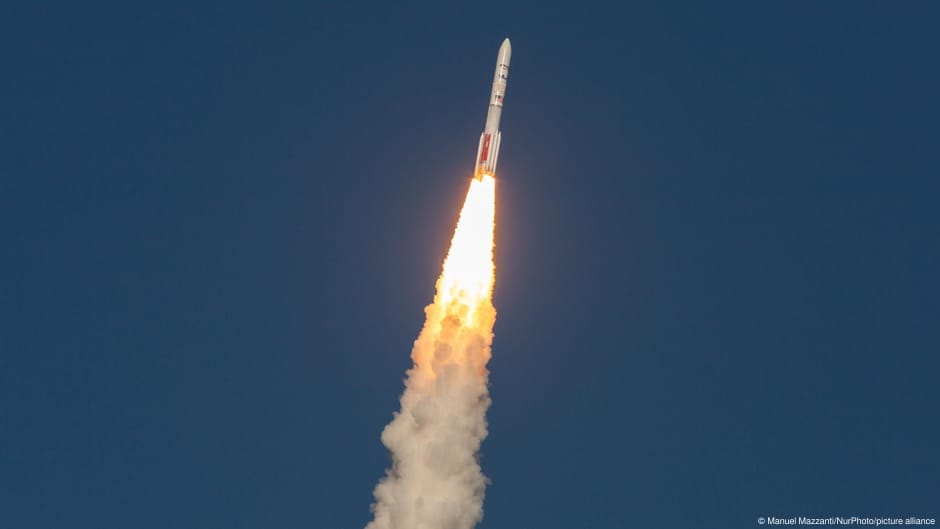
For two decades, United Launch Alliance operated with a record of reliability that seemed almost immune to the perilous realities of spaceflight. Formed in 2006 as a joint venture between industrial heavyweights Boeing and Lockheed Martin, the launch provider was built to give American payloads a dependable ride into orbit. Its newest vehicle, the Vulcan rocket, was designed as the heavy-lift successor to the company's workhorse Atlas V. But ten minutes into a flight from Space Launch Complex 41 at Cape Canaveral, Florida, that spotless history came to a sudden, catastrophic end.

As the rocket climbed toward orbit carrying 40 Amazon LEO internet satellites, an anomaly struck. The vehicle failed, crashing and destroying its entire payload. It was the alliance's first launch failure since its founding in 2006—a stunning setback that reverberated from corporate boardrooms to the halls of the Pentagon.
The mission had been framed as a key milestone for ULA. It was Vulcan's fifth flight since its debut in 2024, but it came after a nine-month gap in launches. That pause followed intense technical investigations into the vehicle's solid rocket boosters and its primary engines, the BE-4 units supplied by Blue Origin.
Getting the rocket off the ground on November 16, 2026, was itself a fraught process.
Concerns surrounding those engines had heightened in May, when Blue Origin's own New Glenn rocket exploded on the launch pad following an engine failure. Still, Vulcan had logged real successes before the layoff: a February mission had smoothly delivered its payload for the U.S. Space Force. Yet because of the hardware modifications and technical questions, the Pentagon held off on certifying Vulcan for national security launches, choosing to await the evaluation of this fifth flight before granting approval.
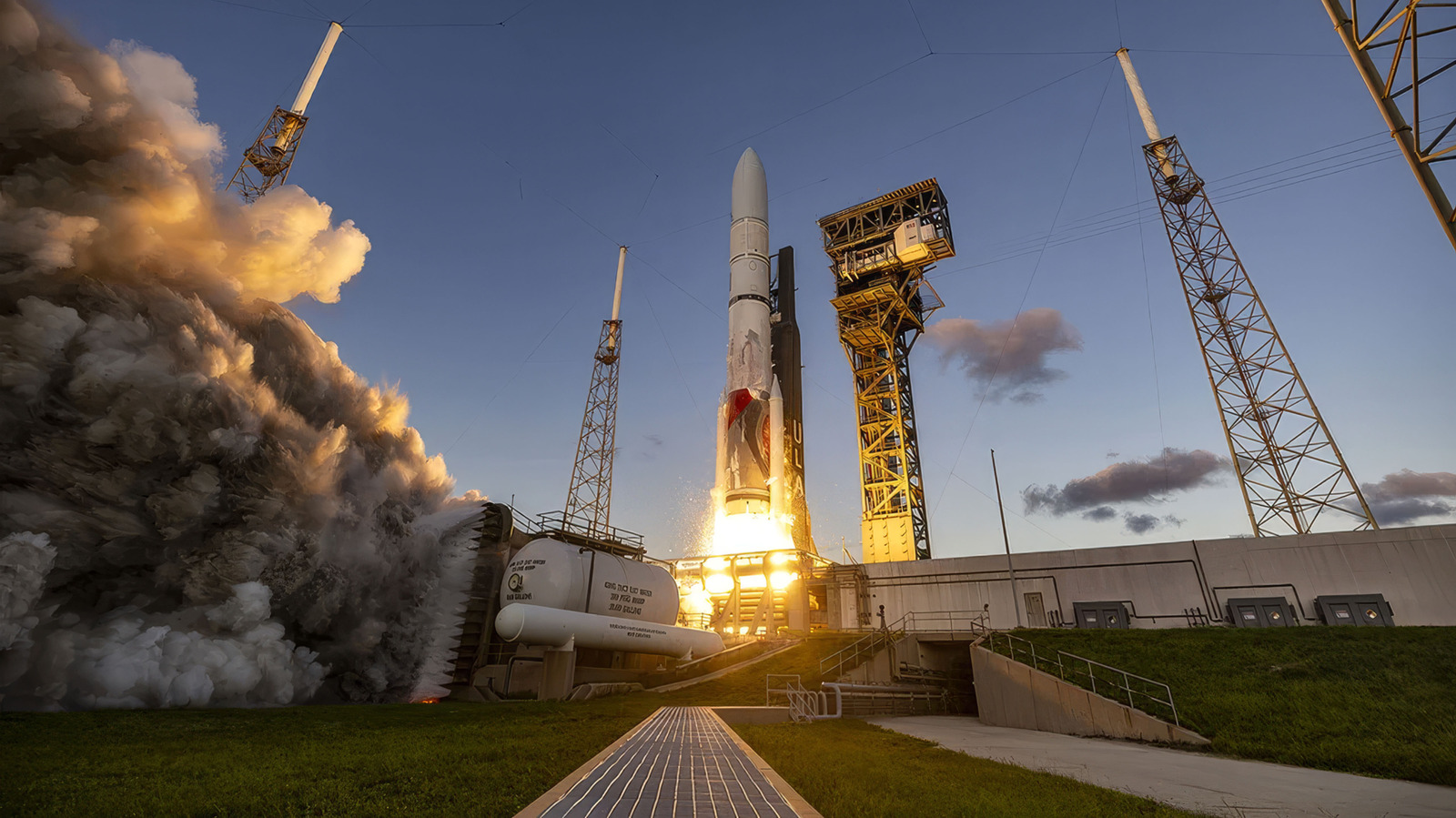
Getting the rocket off the ground on November 16, 2026, was itself a fraught process. Engineers resolved the hold, cleared the vehicle for liftoff, and sent Vulcan roaring off Space Launch Complex 41.
For nine minutes, the ascent appeared routine. But as the vehicle pushed higher, during the burn of its Centaur upper stage, something went disastrously wrong. Approximately 10 minutes after liftoff, the anomaly occurred, causing the rocket to crash and eliminating all 40 satellites onboard.
"Based on data received by our Launch Director, we confirm that the Vulcan vehicle launched from Space Launch Complex 41 suffered an anomaly 10 minutes into the flight and failed to deliver the Amazon mission to orbit," ULA stated shortly after the event.

Based on data received by our Launch Director, we confirm that the Vulcan vehicle launched from Space Launch Complex 41 suffered an anomaly 10 minutes into the flight and failed to deliver the Amazon mission to orbit. Every flight generates data, and every flight teaches us something. Since the anomaly just occurred, we don’t have any specific data yet to understand what occurred today. ULA exists to provide assured access to space for our nation and for the customers who depend on us. That purpose is why we take on some of the hardest missions in spaceflight, and why we hold ourselves to the standard of mission success. Today, we did not meet that standard. We will work closely with our customer and other appropriate organizations to find the cause, determine the appropriate corrective action, and return to flight as quickly as possible. ULA is committed to full transparency with our customers, and they will have visibility into the investigation process, which utilizes rigorous methodology and corrective action. We will provide further updates when new information becomes available.
The destruction of the 40 satellites strikes a direct blow to Amazon's effort to build a commercial low Earth orbit internet network. Since starting its deployments in 2025, Amazon had successfully launched 398 satellites into space. The company's goal is to establish a massive network capable of competing directly with SpaceX's Starlink network, which currently commands roughly 11,000 satellites in orbit.
To keep pace, Amazon relies on regular, high-volume satellite launches. The loss of an entire batch of 40 satellites—along with the immediate suspension of future Vulcan flights—significantly impacts Amazon's timeline for expanding its constellation and initiating standard operational service.
With Vulcan grounded, ULA engineers have turned their attention entirely to flight telemetry, focusing their probe on the Centaur upper stage burn where the anomaly apparently occurred.
"Every flight generates data, and every flight teaches us something," ULA acknowledged in a public statement. "Since the anomaly just occurred, we don't have any specific data yet to understand what occurred today." The company pledged close cooperation with its commercial customer: "We will work closely with our customer and other appropriate organizations to find the cause, determine the appropriate corrective action, and return to flight as quickly as possible. ULA is committed to full transparency with our customers, and they will have visibility into the investigation process, which utilizes rigorous methodology and corrective action."
Until ULA can pinpoint why the upper stage failed and convince regulators and military officials that corrective steps have worked, Vulcan will remain on the pad—leaving both Amazon's internet ambitions and the Pentagon's national security launch certification hanging in the balance.

Confirmed, the @ULA launch today carrying @AmazonLeo satellites has failed due to an anomaly at about 10 minutes in flight. This was the return to flight mission for @ULA and the 3rd anomaly out of 5 launch attempts. This is a big deal for the company, IMO, not just for the @AmazonLeo constellation.