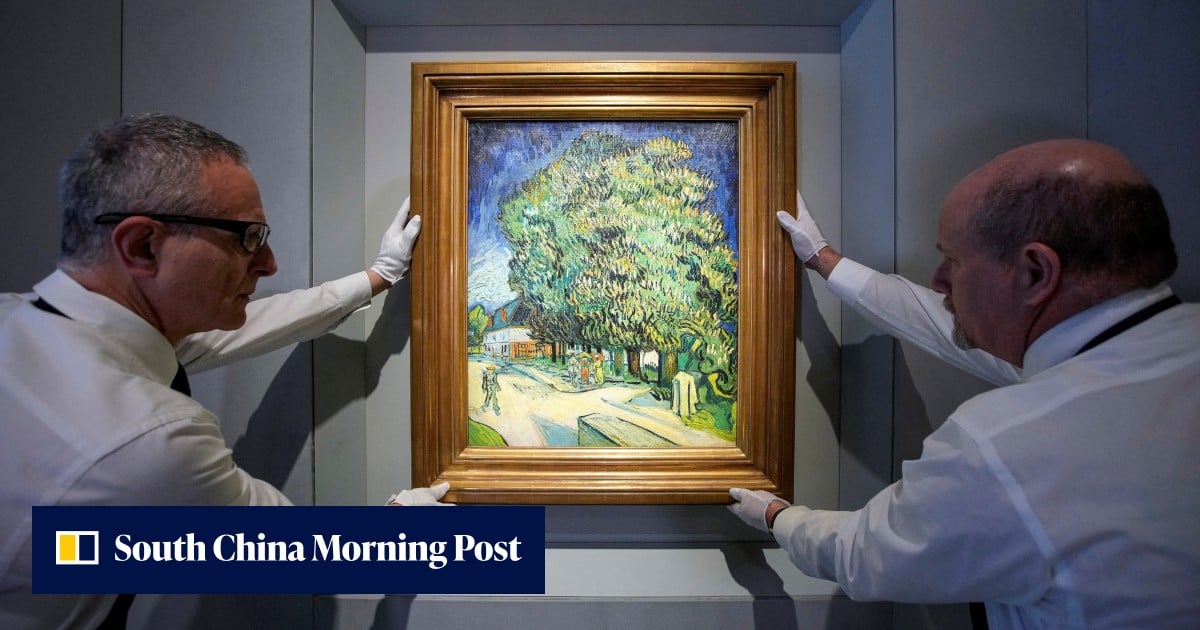
In the hushed, high-ceilinged halls of Sotheby’s in New York, a single canvas recently commanded a sum that borders on the astronomical. The painting, a Vincent van Gogh titled Chataigniers en fleurs—also known as Castagni in fiore—surged past its previous estimates to fetch a record-breaking $190.4 million. To the casual observer, the hammer fall marked a triumphant moment for the art market, a new peak for one of history’s most revered masters. But beneath the sheen of the sale price lay a tension that threatened to derail the entire proceedings, a conflict rooted not in the brushstrokes of the work, but in the dark shadows of the 1930s.
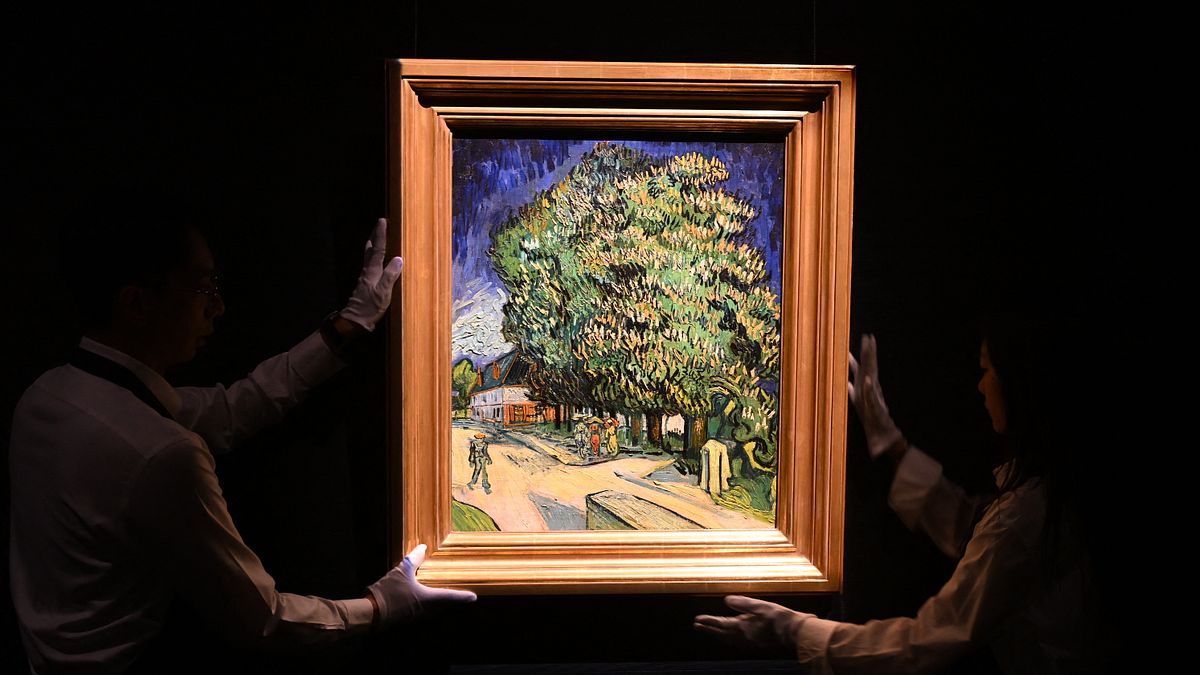
The history of the painting is not merely a lineage of collectors, but a ledger of survival and loss. In 1936, during the height of Nazi persecution, the painting was sold by the Fischer family. While a transaction occurred, the circumstances were far from voluntary. The descendants of Samuel Fischer have argued that the painting was sold under duress, a common and tragic occurrence for Jewish families during that era of systemic oppression. For decades, the artwork moved through different hands, eventually being acquired by the Blaquier-Arrieta family. For the Fischer heirs, the painting was more than an oil on canvas; it was a piece of a fractured history that had been forcibly severed from their family.
As the auction approached, the possibility of a sale seemed precarious. A dispute had emerged between the Blaquier-Arrieta family, who had put the work up for auction, and the descendants of Samuel Fischer. The tension centered on the legitimacy of the original 1936 sale and the right to the proceeds of such a monumental piece. However, just as the controversy threatened to overshadow the art itself, a last-minute agreement was reached. Sotheby’s and the involved families confirmed that a mutually satisfactory resolution had been achieved, allowing the auction to proceed under the terms of their settlement.
However, just as the controversy threatened to overshadow the art itself, a last-minute agreement was reached.
The resolution was not merely a legal maneuver to clear the way for a sale, but a formal recognition of a historical trauma. Sotheby’s noted that the agreement was made in recognition of the painting’s complex Nazi-era history and the suffering endured by the Fischer family during the Holocaust. This acknowledgment transformed the auction from a simple commercial transaction into a moment of historical reckoning. By reaching this settlement, the parties involved allowed the work to be sold pursuant to their agreement, effectively bridging the gap between the family that held the painting and the family that lost it.
For the Fischer heirs, the outcome represented a hard-won victory in a much longer struggle for recognition. They expressed gratitude for what they described as a trusting and fair negotiation and collaboration with both Sotheby’s and the Blaquier-Arrieta family. More importantly, they viewed the resolution as a way to honor the history of Gisela Berman Fischer, who had spent her life seeking justice for her family. The settlement served as a formal acknowledgment of the suffering the family endured during the Nazi era, providing a sense of closure that a simple refusal to sell could not have achieved.
With the dispute resolved, the painting’s performance at auction was nothing short of historic. The $190.4 million sale price broke the previous record for a Van Gogh work. It stands as a monumental achievement for the artist. The sale highlights the enduring, almost spiritual, value placed on works that have survived the most turbulent chapters of human history.
The saga of Chataigniers en fleurs serves as a stark reminder that in the world of high-value art, provenance—the documented history of an object's ownership—is everything. A painting is never just its colors and textures; it carries the weight of every hand that has held it and every era it has survived. As the hammer fell in New York, the record-breaking price reflected not just the genius of Van Gogh, but the immense, complicated value of resolving the ghosts of the past.