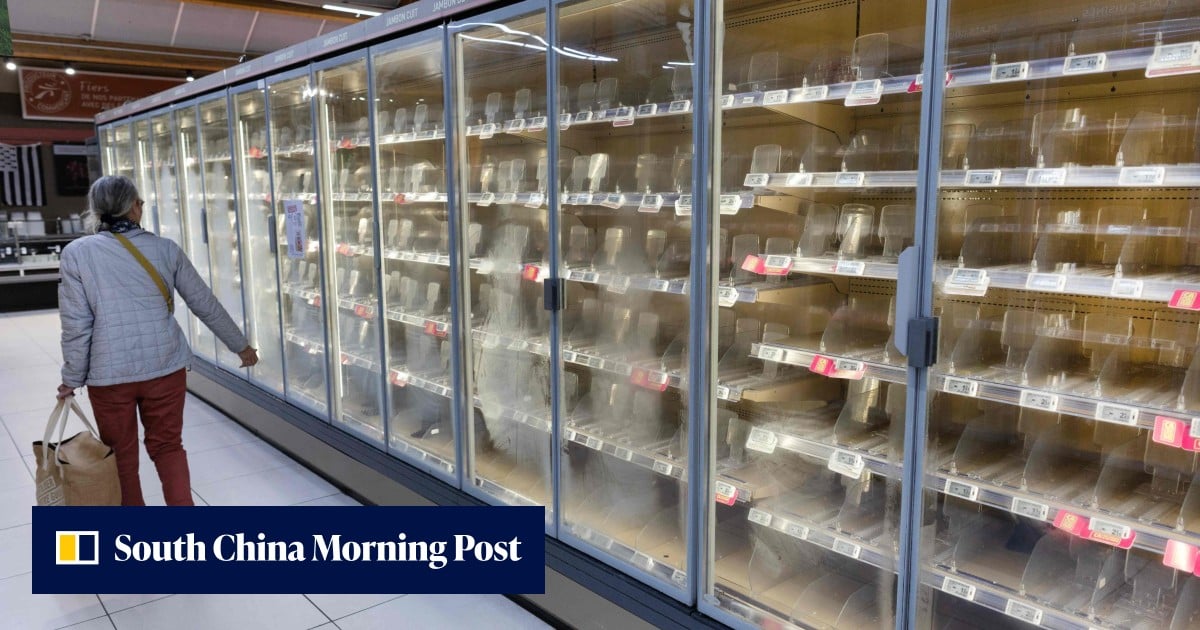
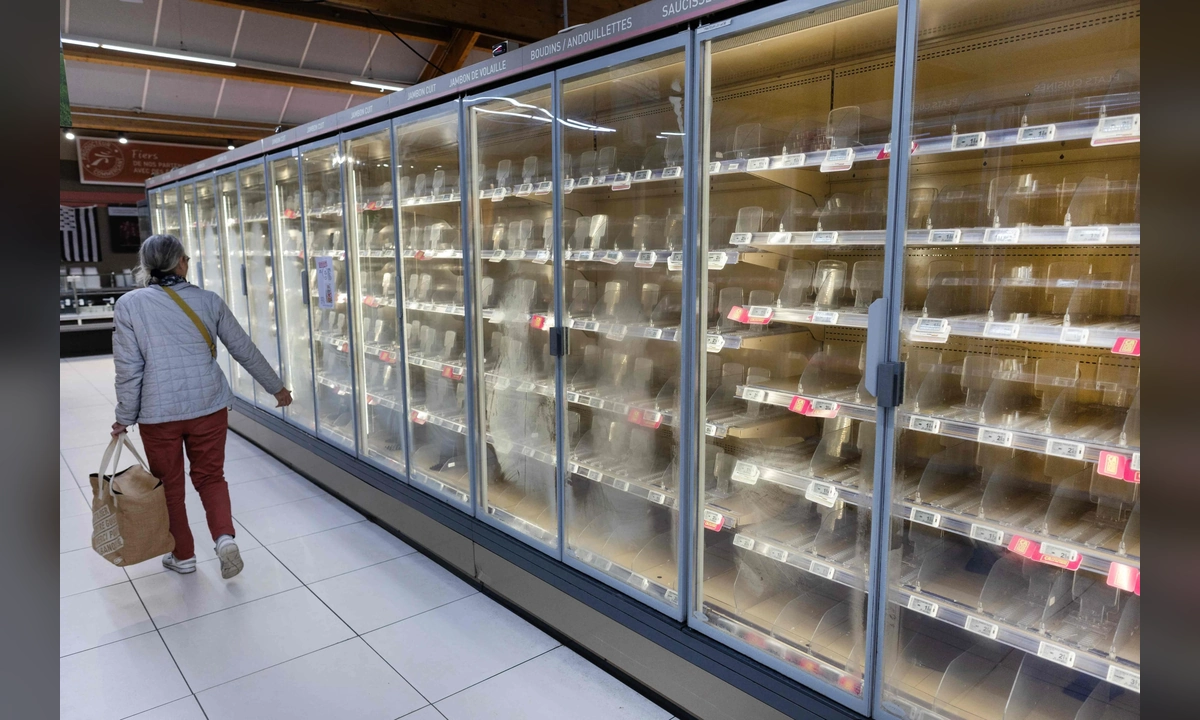
It began like any other busy Saturday in a French supermarket: shoppers pushing carts past rows of humming refrigerators, the soft glow of freezer doors promising fresh produce and frozen meals. Yet within hours, the familiar whir of compressors fell silent, and a cascade of alarms signaled a failure that would soon turn aisles into wastelands of thawing meat and wilted vegetables. The loss was not merely inconvenient; it translated into millions of euros of spoiled food, a figure that quickly moved from the balance sheets of retailers to the headlines of national security briefings.
What set this incident apart from a routine power outage was the precision and scale of the intrusion. French authorities described the cyberattack as “sophisticated” and “unprecedented in scope,” targeting the digital control systems that regulate temperature across an entire network of supermarket refrigeration units. By manipulating these systems, the perpetrators forced a coordinated shutdown that rippled through the supply chain, turning perishable goods into waste and striking at the everyday lives of consumers.
On November 9, 2026, French Foreign Minister Jean‑Noël Barrot stepped onto a podium and made a stark accusation: the operation was carried out by Iran’s Islamic Revolutionary Guard Corps (IRGC). “This operation was carried out by Iran's Guard of the Revolution,” Barrot declared, framing the incident not merely as a criminal act but as an act of state‑sponsored aggression. The French government responded by moving to impose sanctions at the European Union level against individuals identified as part of the IRGC cyber unit responsible for the attack.
The incident forces a reevaluation of how societies protect critical infrastructure that, on the surface, appears mundane.
Simultaneously, the Paris prosecutor’s office launched a formal investigation into the head of the aggressive IRGC cyber unit. The investigation, also announced on November 9, 2026, signals a rare instance where a national judicial authority directly targets a foreign military intelligence figure. While the details of the probe remain sealed, its initiation underscores France’s determination to hold perpetrators accountable beyond diplomatic censure.
France was not the sole victim. A week earlier, a similar wave of refrigerator failures had been reported across seven other European countries, suggesting a coordinated campaign that extended well beyond French borders. The cross‑border nature of the attack amplified its impact, prompting discussions within the European Union about collective cybersecurity defenses and the need for a unified response to state‑backed digital aggression.
The incident forces a reevaluation of how societies protect critical infrastructure that, on the surface, appears mundane. Refrigeration units in supermarkets are not traditionally viewed as strategic assets, yet their disruption can inflict economic damage and erode public confidence. By targeting the cold chain, the alleged IRGC operation demonstrated a willingness to weaponize everyday technology to achieve geopolitical aims.
As the EU deliberates on sanctions and the Paris prosecutor builds its case, the broader lesson resonates: the line between conventional warfare and cyber sabotage is increasingly blurred. Nations must now consider the security of appliances, supply‑chain logistics, and the digital back‑ends that keep food fresh as part of their national defense strategies.
The story is still unfolding. While sanctions are being drafted and legal proceedings are underway, supermarkets across Europe remain vigilant, their refrigeration units now guarded not just by technicians but by a heightened awareness of the digital threats that can turn a simple grocery trip into a geopolitical flashpoint.