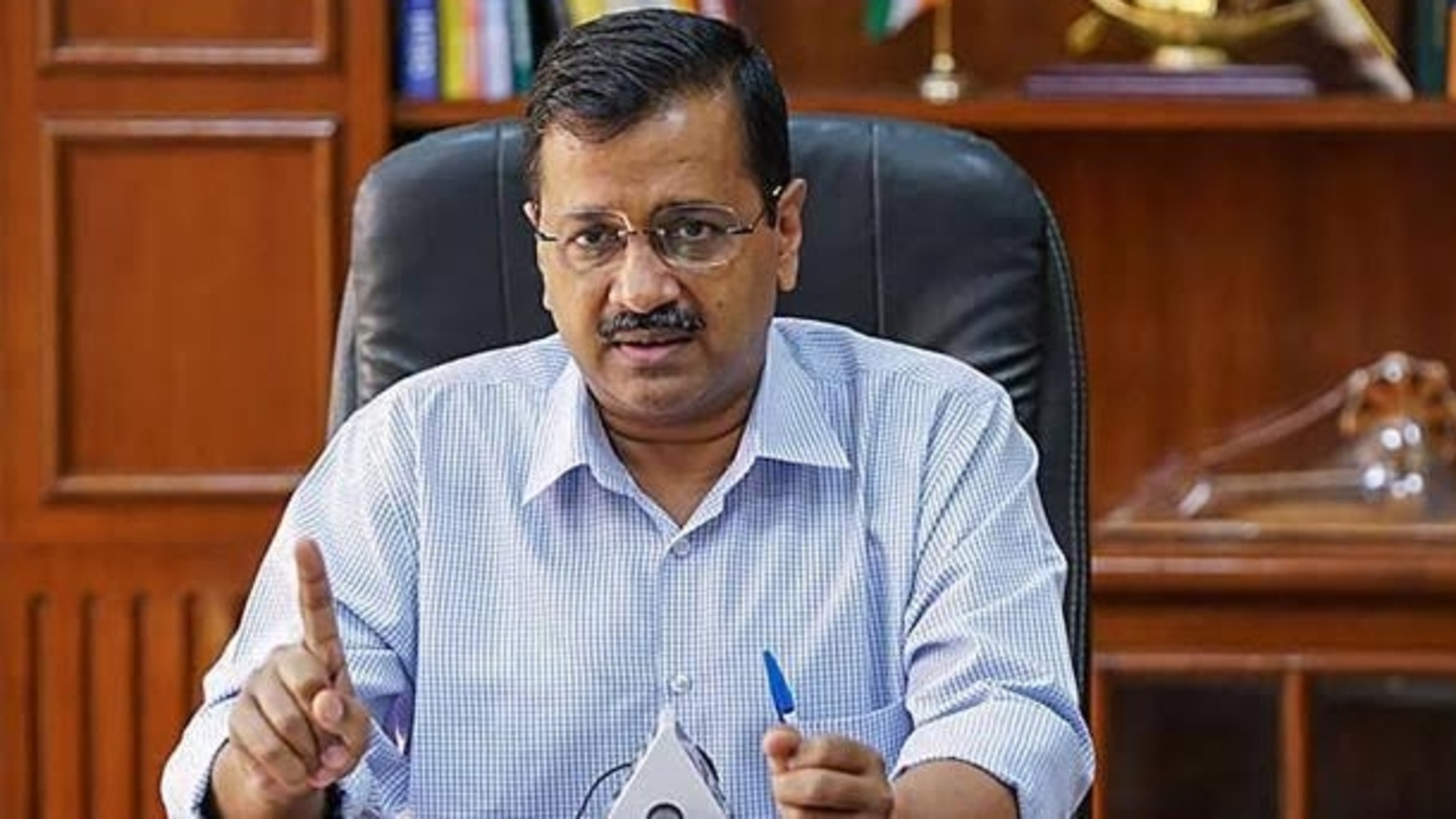
In the high-tension arena of Indian politics, threats are often part of the background noise, but some carry a weight that transcends mere rhetoric. On November 6, 2026, a phone call arrived that demanded more than just attention; it demanded a ransom. The caller, identifying themselves as a member of the notorious Bishnoi gang, did not come with political grievances or ideological disputes. Instead, they came with a price tag: 7 crore rupees.
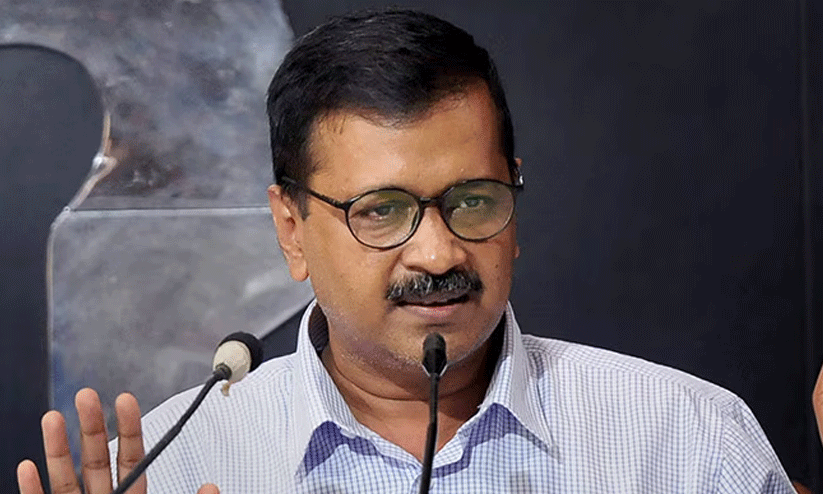
The target was Arvind Kejriwal, the former Chief Minister of Delhi and the convener of the Aam Aadmi Party (AAP). But the extortion attempt was not limited to the political figure alone. The caller issued a chilling ultimatum, threatening to kill both Kejriwal and his daughter, Harshita Kejriwal, should the massive sum not be delivered. It was a calculated move designed to strike at the most vulnerable point of any public figure—their family.
The threat was brought to light by Jarnail Singh, the Member of the Legislative Assembly (MLA) for Tilak Nagar. Rather than letting the intimidation pass in silence, Singh acted as the conduit for the report, ensuring the gravity of the situation reached the proper authorities. The involvement of a sitting MLA underscores the perceived seriousness of the threat, moving it from a private concern to a matter of public and state security.
By invoking the gang's name, the caller sought to leverage a reputation for violence to ensure compliance.
For the Bishnoi gang, a criminal syndicate known for its reach and its capacity for intimidation, such threats are a signature. By invoking the gang's name, the caller sought to leverage a reputation for violence to ensure compliance. The demand for 7 crore rupees was not just a request for money; it was a test of power, an attempt to see if a prominent political leader could be coerced through the specter of violence.

#BREAKING | Arvind Kejriwal Gets Death Threat, Allegedly From Lawrence Bishnoi Gang https://t.co/2ek2SBa9Eo https://t.co/LGqIy2erLp
The transition from a verbal threat to a legal reality took several days. While the initial call was received on November 6, it was not until November 12, 2026, that a formal police complaint was officially filed. This gap between the event and the filing marks the period where the weight of the threat was processed and the decision was made to move into the formal machinery of the law.
Following the filing, the police moved swiftly to register a case. The legal framework applied to the investigation includes the Bharatiya Nyaya Sanhita (BNS) and the Information Technology (IT) Act. The inclusion of the IT Act is particularly significant in the modern era, as it suggests that the investigation will look closely at the digital footprints left by the caller, tracing the electronic pathways used to deliver such a devastating ultimatum.
As the investigation unfolds, the police find themselves navigating a complex landscape of possibility. The central question currently driving the inquiry is one of authenticity: is this a genuine, lethal threat from a sophisticated criminal organization, or is it a sophisticated hoax designed to cause political instability and chaos?

In the world of high-stakes extortion, the line between reality and performance can be thin. A hoax can be just as damaging as a real threat, serving to destabilize a leader's focus and create a sense of insecurity within their political camp. Conversely, if the threat is genuine, it represents a profound failure of security and a direct challenge to the rule of law. Investigators are now tasked with peeling back the layers of the communication, analyzing the caller's methods, and determining whether the Bishnoi gang's shadow truly looms over this specific demand, or if the name was merely used as a tool of terror.