The Mediterranean breeze in Antalya carries more than just the scent of salt this November; it carries the weight of a planet in flux. The 31st UN Climate Change Conference, known as COP31, has officially commenced, marking a historic moment as Turkey hosts the summit for the first time. From November 9 to November 20, the eyes of the world are fixed on a gathering that seeks to bridge the gap between ambitious climate rhetoric and the hard realities of industrial survival.

This is not merely a regional meeting, but a massive diplomatic machinery involving 196 countries and the European Union. The summit has drawn a staggering 102 leaders representing 95 countries across six continents. This level of participation underscores the universality of the crisis; whether from the industrial heartlands of Europe or the developing economies of Africa and South America, the necessity for a unified response is the common thread binding these disparate nations together.
At the center of this whirlwind is Turkish President Recep Tayyip Erdoğan, who is hosting the Leaders' Summit. His presence, alongside other high-ranking officials, sets the stage for a series of high-stakes negotiations. The summit is not just about signing declarations; it is about the granular mechanics of how the world will function in a warming era. The agenda is broad, touching upon the most critical pillars of modern environmental policy: the transition to clean energy, the rise of green industrialization, the complex architecture of climate finance, and the pressing need for urban resilience.
Without the financial scaffolding to support developing nations, the promises made in conference halls often fail to materialize on the ground.
As the summit moves into its core proceedings, the dialogue is expected to shift from broad goals to specific, actionable policies. Central to the discussions is the concept of the 'green transition'—the massive, systemic overhaul of how nations produce and consume energy. This is inextricably linked to green industrialization, where the goal is to ensure that the shift away from carbon-intensive economies does not leave nations behind, but instead fosters new, sustainable economic engines.
However, these ambitions are tethered to the reality of money. Climate finance—the mobilization of funds to help nations mitigate and adapt to environmental shifts—remains one of the most contentious and vital topics on the table. Without the financial scaffolding to support developing nations, the promises made in conference halls often fail to materialize on the ground. The summit aims to address these imbalances, seeking a path where economic growth and environmental stewardship are no longer viewed as opposing forces.

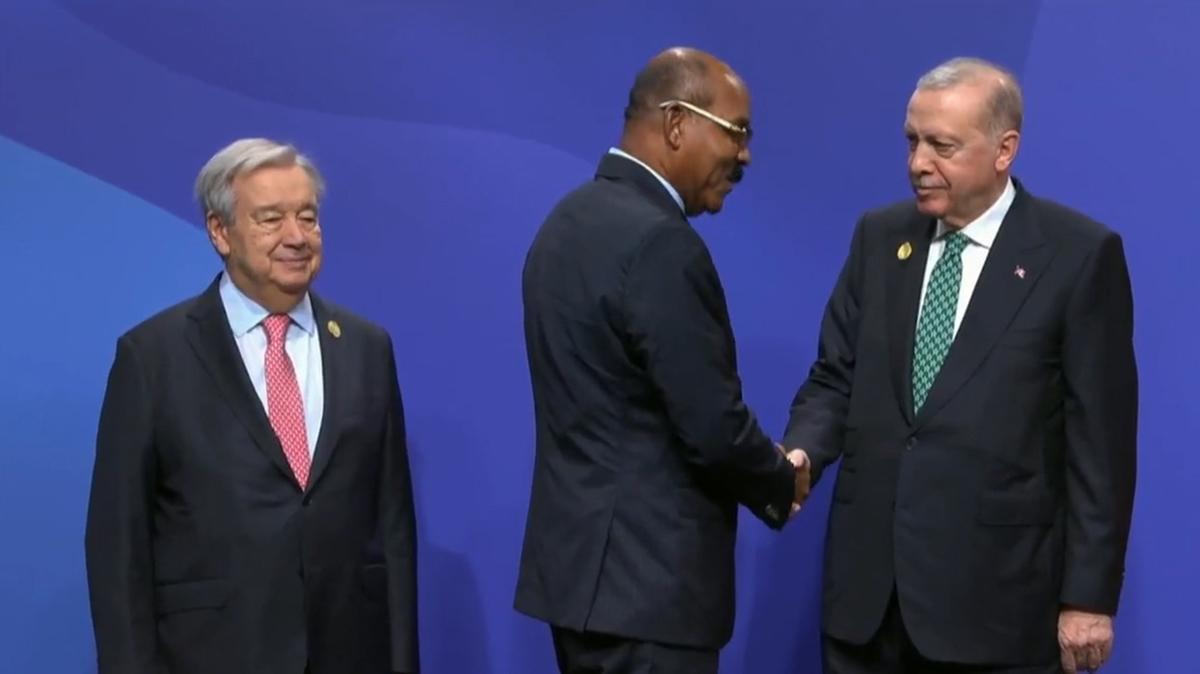
Turkish President Recep Tayyip Erdogan on Wednesday welcomed Kurdistan Region President Nechirvan Barzani in Antalya as world leaders gathered for the United Nations COP31 climate summit to discuss global warming, environmental protection, and the transition to clean energy. https://t.co/DbBnUiC9dK
The first day of the summit has been framed by a specific, urgent philosophy: 'Zero Waste.' This theme is not merely a slogan but a reflection of Turkey's own policy focus on circular economies, where resources are reused and recycled rather than discarded. By centering the opening discussions on waste reduction, the summit organizers are signaling that the fight against climate change begins with how we manage the physical remnants of our consumption.
This focus on the circular economy is woven into the very fabric of the event's presentation. Even the cultural elements of the summit are designed to reinforce this message. The 'Anadolu Atesi' dance show and the official COP31 song, 'Let's Cop,' serve as more than just entertainment; they are part of a broader effort to ground these technical, often dry, geopolitical negotiations in a sense of shared human culture and purpose.
The podiums in Antalya are being occupied by the architects of international policy. UN Secretary-General Antonio Guterres is among the key figures delivering opening speeches, providing the institutional weight of the United Nations to the proceedings. He is joined by a diverse roster of global leaders, including Ethiopian Prime Minister Abiy Ahmed Ali, Australian Prime Minister Anthony Albanese, and Brazilian President Luiz Inacio Lula Da Silva.
This diversity of voices is essential. When the Prime Minister of Australia speaks alongside the President of Brazil, the summit captures the tension between different economic realities and different levels of vulnerability to climate change. The presence of COP31 President and Minister Murat Kurum further underscores the administrative and political commitment driving the event from the host nation's side.

PM Shehbaz Sharif arrives at the COP31 Conference Hall in Antalya, Türkiye. Turkish President Recep Tayyip Erdogan and UN Secretary-General António Guterres warmly welcome the Prime Minister, who also joins world leaders for a group photograph at the summit. #SamaaTV https://t.co/0ZLSR4Afoq
As the summit progresses through its scheduled dates, the focus will move from these grand opening statements to the intense, often closed-door sessions of roundtable and dialogue meetings. These sessions are where the true work of diplomacy happens—where the national statements on climate policies are scrutinized and where the fine print of international agreements is drafted.
For now, the world watches Antalya. The success of COP31 will not be measured by the number of leaders in attendance or the beauty of the cultural performances, but by whether the 196 parties involved can leave Turkey with a clearer, more funded, and more resilient roadmap for the future. The summit has begun, and the clock is ticking on the transition to a zero-waste, low-carbon world.