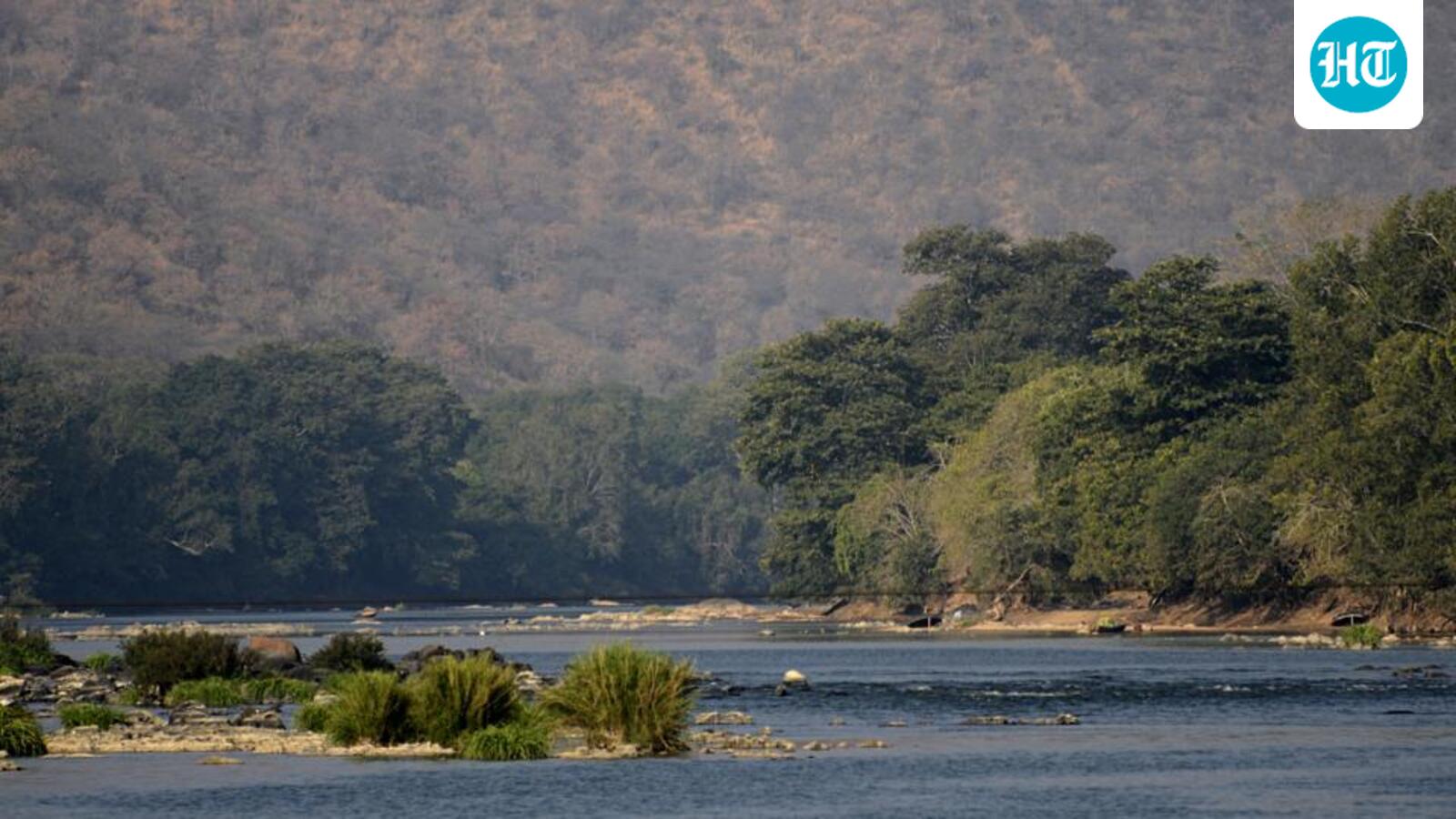
For generations, the fertile fields of southern India have been bound to a hydrological tug-of-war that transcends mere agriculture, touching the raw nerves of state identity and economic survival. At the center of this enduring friction is the Kaveri, or Cauvery, river system—a vital artery that snakes through landscapes sustaining millions of lives. When the monsoons falter or reservoir levels dwindle, the shared basin becomes an arena of intense political and legal combat. The core of the matter has always been simple arithmetic complicated by human need: how to divide an increasingly scarce natural resource between neighboring states whose populations depend entirely upon it for their daily sustenance and economic livelihood.
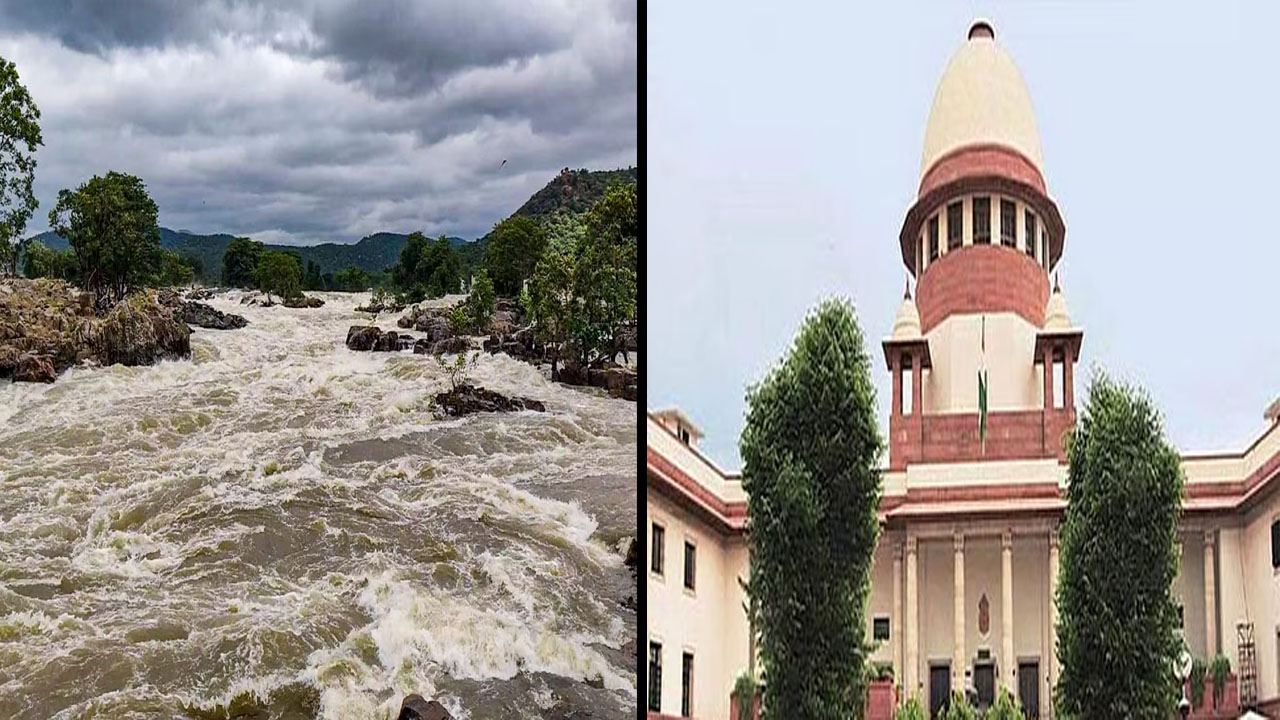
The friction flared with renewed intensity when Tamil Nadu approached the highest court in the land, carrying the grievances of an agricultural sector pushed to the brink. Tamil Nadu argued that its farmers were facing severe crop damage due to acute water shortages, asserting that Karnataka had failed to release its entitled share of the river despite harboring sufficient reservoir levels. According to Tamil Nadu's legal filings, the state was confronting a significant water shortage. The grievance was direct and unyielding, encapsulated by the state's persistent claim that Karnataka is not releasing Cauvery water, leaving local cultivators to watch helplessly as their livelihoods withered under a merciless sun.

Top Court Dismisses Tamil Nadu Pleas For Cauvery Water Release From Karnataka https://t.co/F2pvwsdqVL https://t.co/wrfdmDGO7x
Across the border, however, the picture painted was one of profound ecological distress rather than deliberate withholding. The Karnataka government contested the petition vigorously, asserting that water releases had been carried out strictly according to available resources and prior court orders. Karnataka countered that many of its own districts were facing severe drought conditions, marked by critically low inflows into local reservoirs. With the basic drinking water needs of its own populace hanging in the balance, Karnataka argued that it simply did not have the surplus to spare. The defense highlighted a desperate balancing act where municipal taps and parched fields competed for every remaining drop in the basin.
On July 1, 2023, Tamil Nadu filed petitions against Karnataka, setting off the latest formal chapter of the dispute.
Amidst the legal filings and political posturing, institutional bodies labored to manage the crisis through administrative channels. Karnataka maintained that the overarching problem was being resolved through Cauveri water management and oversight committee meetings, pointing to regulatory frameworks like the cwma and the cwrc designed to navigate these exact disputes without plunging the states into continuous judicial warfare. These technical bodies track rainfall data, reservoir storage, and interstate inflows, attempting to inject scientific objectivity into a debate historically fueled by emotion and political necessity.

#WATCH | Coimbatore, Tamil Nadu: On SC declining Tamil Nadu’s plea seeking a direction to Karnataka to release an additional 11 TMC of Cauvery water, AIADMK spokesperson Kovai Sathyan says, "This is another example of the TVK government headed by CM Vijay... You should approach the judiciary at the right time... The Supreme Court is condemning the state government for repeated petitions..."
The legal confrontation that recently culminated in the nation's highest court actually took root years prior. On July 1, 2023, Tamil Nadu filed petitions against Karnataka, setting off the latest formal chapter of the dispute. The state formally demanded that the Karnataka government release an additional 11 million cubic feet of water, stressing that the emergency relief was imperative to stanch widespread crop losses and escalating farmer distress. The atmosphere was charged with urgency as legal teams prepared for a protracted struggle over the interpretation of historical water-sharing agreements.
That initial legal salvo met its first major judicial hurdle later that month. On July 28, 2023, the Supreme Court dismissed Tamil Nadu's petitions, refusing to compel Karnataka into releasing the requested water volumes. The early dismissal established a judicial skepticism toward emergency judicial intervention in the complex basin management, leaving the petitioners searching for alternative pathways to secure relief for their struggling farming communities.

Supreme Court Rejects Tamil Nadu Plea for Extra Cauvery Water from Karnataka https://t.co/gKKfbbuVOv #CauveryWaterDispute #SupremeCourt
The long-running saga returned to the judicial spotlight when the Supreme Court of India officially rejected petitions from Tamil Nadu demanding that the Karnataka government release an additional 11 million cubic feet of water. A bench consisting of Justices Vikram Nath and A.P. Singh dismissed two existing petitions and verbally indicated the rejection of a third application filed on the same day. The court's definitive stance offered immediate, temporary relief to Karnataka, strengthening its position in the enduring Cauvery water dispute.

As the dust settles on the latest judicial chapter, the core realities of the Kaveri basin remain unchanged. The rejection of Tamil Nadu's petitions leaves the legal architecture governing the river largely intact, even as the underlying pressures of climate variability, agricultural demand, and interstate rivalry persist. With decades of history defining the dispute over rainfall data, reservoir storage, and inflows, the Supreme Court's latest ruling underscores the immense difficulty of judicial water-sharing in a region where every drop is fiercely contested and legally guarded.