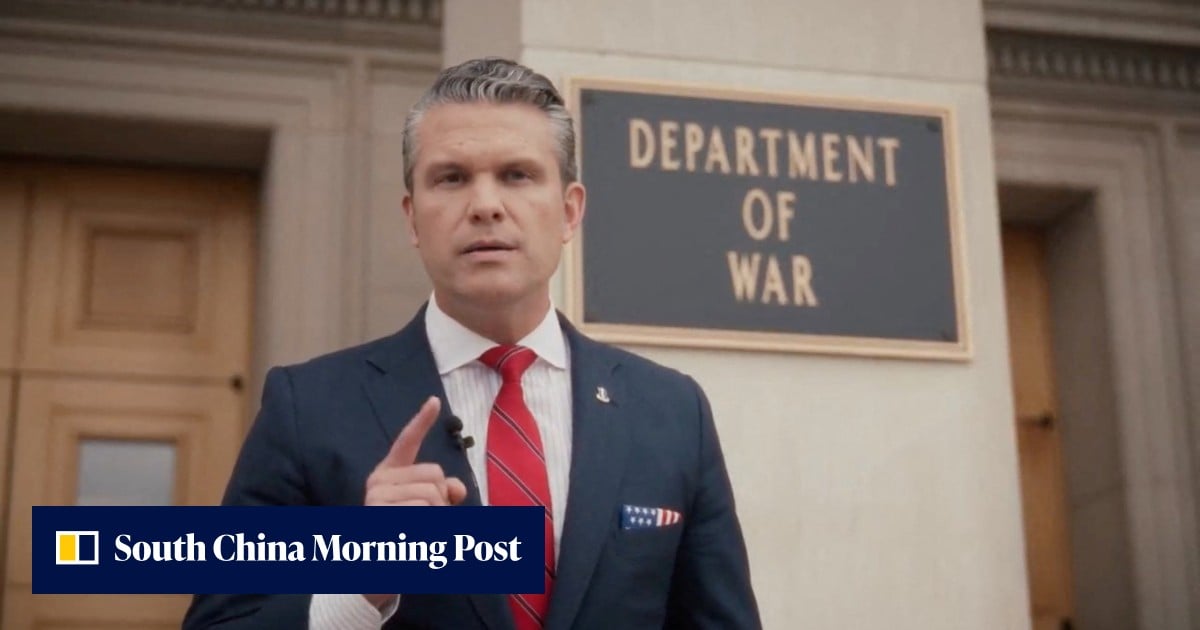
On November 9, 2026, a rare moment of visibility broke through months of silence for Pentagon chief Pete Hegseth. For more than 180 days, he had not held a news conference, leaving a vacuum that political observers noted with growing concern. This Tuesday announcement marked a significant return to the public eye, signaling a shift in strategy as the administration navigated intense political headwinds.

The timing of this return was dictated by the political landscape rather than military necessity alone. The midterm elections had concluded with Republican losses that weighed heavily on the administration's standing. In response to this electoral setback, and facing an expected impeachment resolution in Congress, Hegseth felt compelled to speak directly. Congress had adopted a critical stance toward the defense secretary, viewing his tenure through the lens of recent political failures. Hegseth understood that addressing these concerns publicly was essential to counter the narrative emerging from Capitol Hill.
At the center of this defense were specific military operations conducted across multiple theaters. Hegseth pointed to the war against Iran, which had become a focal point of national security debate. He also highlighted actions taken against Yemen’s Iranian-backed Houthi rebels and Venezuela’s previous leaders. These campaigns were not merely tactical maneuvers but were framed as pivotal moments in modern conflict. By grouping these distinct conflicts together, Hegseth sought to demonstrate a consistent pattern of decisive action that justified the political fallout.
He declared an eagerness to litigate the military actions taken against Iran, Yemen’s Houthi rebels, and Venezuela’s previous leaders.
Specific names were attached to the broader strategy to ground the claims in concrete reality. Hegseth defended the operations 'Epic Fury' and 'Rough Rider' as historic achievements. He stated that criticizing these specific missions was equivalent to criticizing the troops themselves. This framing was crucial because it shifted the blame away from command decisions and onto the conduct of the soldiers who executed the orders. The goal was to protect the reputation of the military personnel while maintaining the integrity of the strategic choices made by leadership.
Beyond immediate defense, Hegseth outlined a longer-term legal approach to the controversy. He announced he would hold a rare news conference to address the impeachment threat, but his focus extended beyond mere explanation. He declared an eagerness to litigate the military actions taken against Iran, Yemen’s Houthi rebels, and Venezuela’s previous leaders. Litigation offered a mechanism to challenge the proceedings or clarify the legal status of these interventions. This suggested a willingness to engage the courts if necessary, treating the military record as evidence that could withstand judicial scrutiny.
Throughout the defense, the loyalty to President Donald Trump remained a central theme. Hegseth positioned himself firmly within the administration's orbit, supporting the president's decisions without reservation. This alignment was evident when he stated that taking issue with what the administration did was effectively taking issue with the troops. The quote became a rallying point for supporters: "If you want to take issue with what we did in Epic Fury or Rough Rider or nabbing Nicolas Maduro, you’re taking issue with the troops and what they accomplished, which is historic." This rhetoric aimed to rally support around the idea that the military success outweighed the political cost.
The stakes of this confrontation were high. An impeachment resolution represented a potential removal of the defense secretary, a position vital to national security coordination. Hegseth’s decision to litigate alongside defending the troop record indicated a belief that the actions were legally sound and politically defensible. The mention of Venezuela’s previous leaders specifically referenced the capture of Nicolas Maduro, adding another layer of complexity to the international relations involved. Each entity mentioned—Iran, the Pentagon, the Congress—played a role in this unfolding drama, connecting military power with legislative oversight.

As the administration moved forward, the narrative focused on the contrast between battlefield victories and domestic political struggles. The loss of seats in the midterm elections served as a reminder that military strength does not always translate to political stability. Yet, Hegseth maintained that the accomplishments were historic regardless of the polling numbers. The decision to break the 180-day silence was a calculated risk, designed to control the story before opponents could dominate the conversation. It was a gamble on the memory of the troops and the permanence of the strategic gains made during the conflict.
Ultimately, the situation hinged on how the public perceived the value of these operations versus the cost of the political backlash. By linking the impeachment threat directly to the defense of the military record, Hegseth attempted to reframe the narrative. The focus remained on the actions taken, the people who executed them, and the historical significance of the outcomes. Whether this strategy would succeed in mitigating the pressure from Congress remained uncertain, but the intent was clear: to stand firm against criticism by anchoring it in the tangible results of the military campaign.