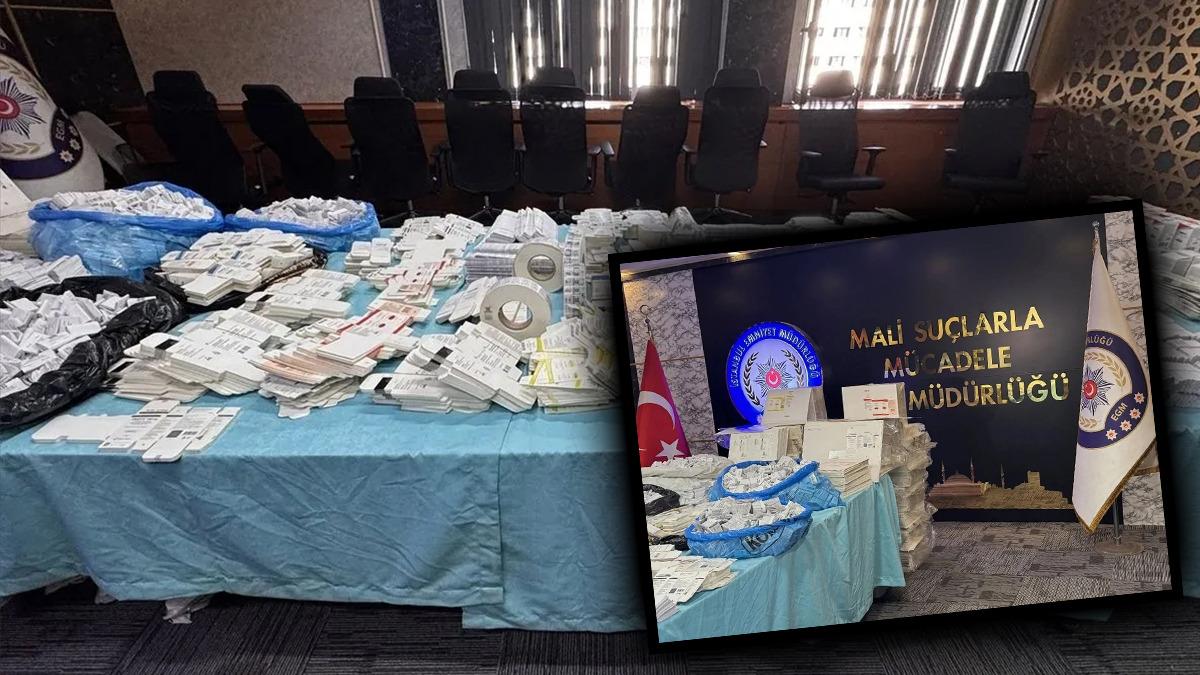
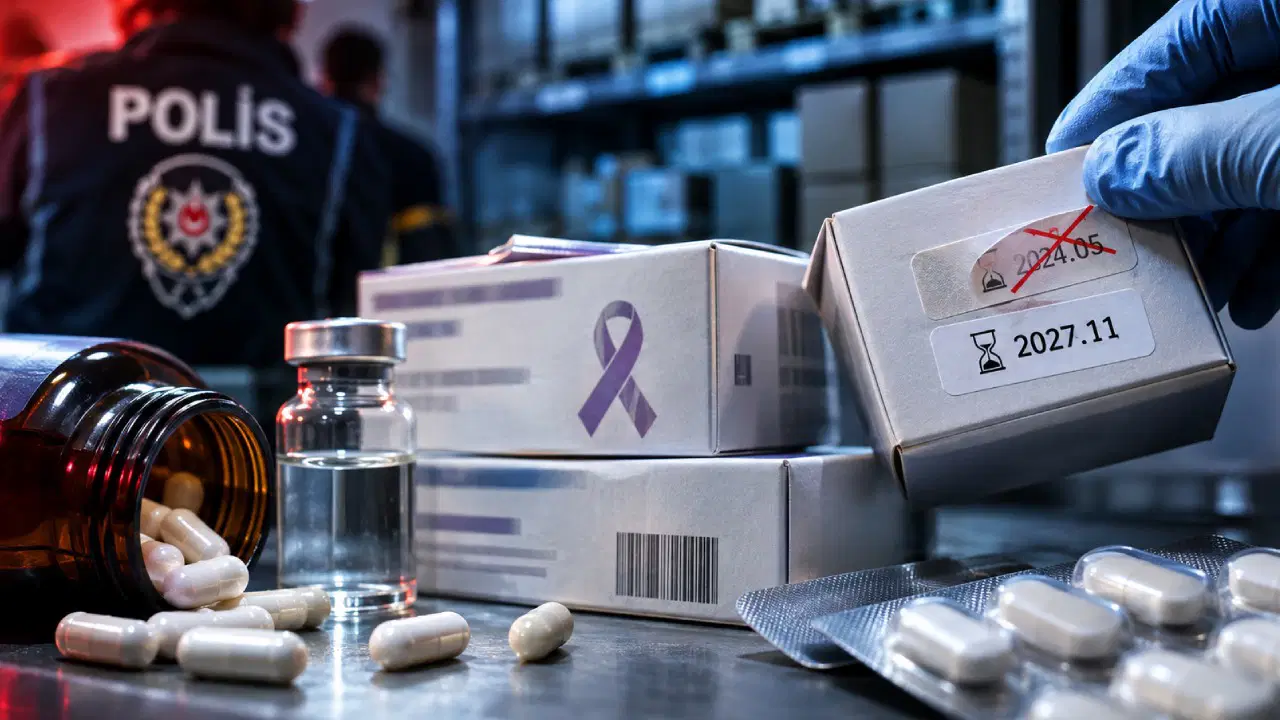
Few crimes strike at human vulnerability quite like the fraudulent tampering of life-saving medicine. At its core, the scheme under scrutiny by Turkish law enforcement relies on a calculated illusion: taking expired cancer drugs, stripping away their original packaging, and outfitting them with brand-new boxes and printed prospectuses. By replacing the outward signs of expiration, the illicit enterprise ensured that outdated treatments appeared factory-fresh and ready for patient use.
This deceptive practice forms the focal point of a major criminal investigation conducted by the Bakirkoy Chief Public Prosecutor's Office. What began as a targeted effort against a clandestine trade in compromised pharmaceuticals has rapidly expanded into a multi-city law enforcement campaign aimed at dismantling an organized ring whose reach extended far beyond a single region.
The public enforcement effort broke into the open on November 2, 2026. On that day, law enforcement agencies executed an initial, coordinated operation aimed at disrupting the network's foundational nodes. That first action targeted 24 suspects spread across 11 different provinces, signaling the nationwide footprint of the illegal packaging and distribution scheme.
Crucial to this phase was the involvement of the Financial Crimes Investigation Board (MASAK).
Police units moved against suspects implicated in handling, repackaging, and circulating the compromised medications. But while the initial raids disrupted immediate operations, they also yielded critical physical and electronic materials. Investigators secured hardware, storage drives, and documentation that held the internal record of how expired oncology drugs were acquired, altered, and placed back onto the market.
In the period following the November 2 operation, the focus of the investigation shifted from physical raids to analytical forensic work. Investigators began analyzing the digital materials seized from the initial 24 suspects, tracing communication channels, inventory logs, and electronic transaction records.
Crucial to this phase was the involvement of the Financial Crimes Investigation Board (MASAK). By auditing financial flows and reviewing comprehensive MASAK reports, investigators reconstructed the monetary skeleton supporting the criminal organization. The forensic combination of digital records and financial intelligence yielded immediate results, revealing layers of the organization that had escaped the initial law enforcement sweep. The data analysis formally identified 15 additional suspects and linked three specific workplaces directly to the crime organization's infrastructure.
As the evidence accumulated, prosecutors gained a clearer picture of the scale and ambition of the criminal network. The scheme was not merely an isolated local resale operation. According to the findings of the Bakirkoy Chief Public Prosecutor's Office, the investigation continues to probe claims that the repackaged cancer drugs were distributed both within Turkey and exported abroad.
By manufacturing fake boxes and inserting fresh product prospectuses—the detailed informational leaflets intended to guide medical professionals and patients—the network sought to bypass regulatory checks at home and across international boundaries. The prospect of expired cancer medications reaching vulnerable patients in domestic and foreign markets elevated the urgency of neutralizing every branch of the organization.
Equipped with the findings from the digital analysis and the MASAK reports, authorities moved to execute a second major phase of the investigation. On November 9, 2026, prosecutors ordered simultaneous operations aimed at apprehending the newly identified suspects and preventing the destruction of further evidence.
This second round of enforcement was designed to strike decisively across multiple key jurisdictions. Prosecutors authorized raids on a total of 21 targeted addresses. The target list comprised 18 private residences associated with figures in the ring and 3 commercial workplaces that functioned as operational nodes for the illegal enterprise.
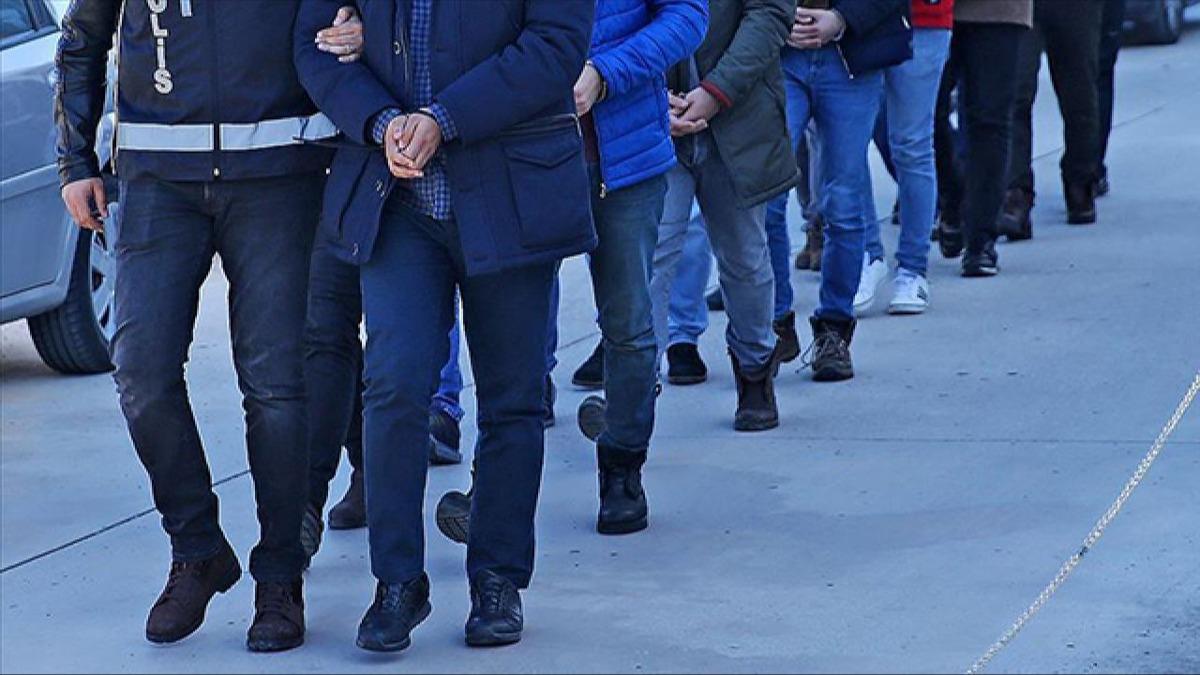
The simultaneous operations on November 9 focused on three major provinces: Istanbul, Antalya, and Kayseri. Law enforcement teams moved concurrently across these locations to take the 15 newly identified suspects into custody and conduct thorough searches of the targeted residential and commercial properties.
As officers swept through the 21 addresses, the primary objectives remained clear: arrest the designated individuals, confiscate physical evidence, and secure further records regarding the international and domestic supply chains. The Bakirkoy Chief Public Prosecutor's Office continues its comprehensive investigation to trace the full extent of the repackaging scheme and hold all participants accountable.