
In the high-stakes theater of international relations, a single word can shift the balance of power. For Iranian officials, that word is "postponed." On November 15, 2026, the diplomatic atmosphere in Tehran turned brittle as senior government figures declared that the United States had effectively sabotaged any chance of an agreement by refusing to meet its own terms. The narrative emerging from the Islamic Republic was stark: the American response was not a negotiation tactic, but a strategic delay designed to buy time for military action.
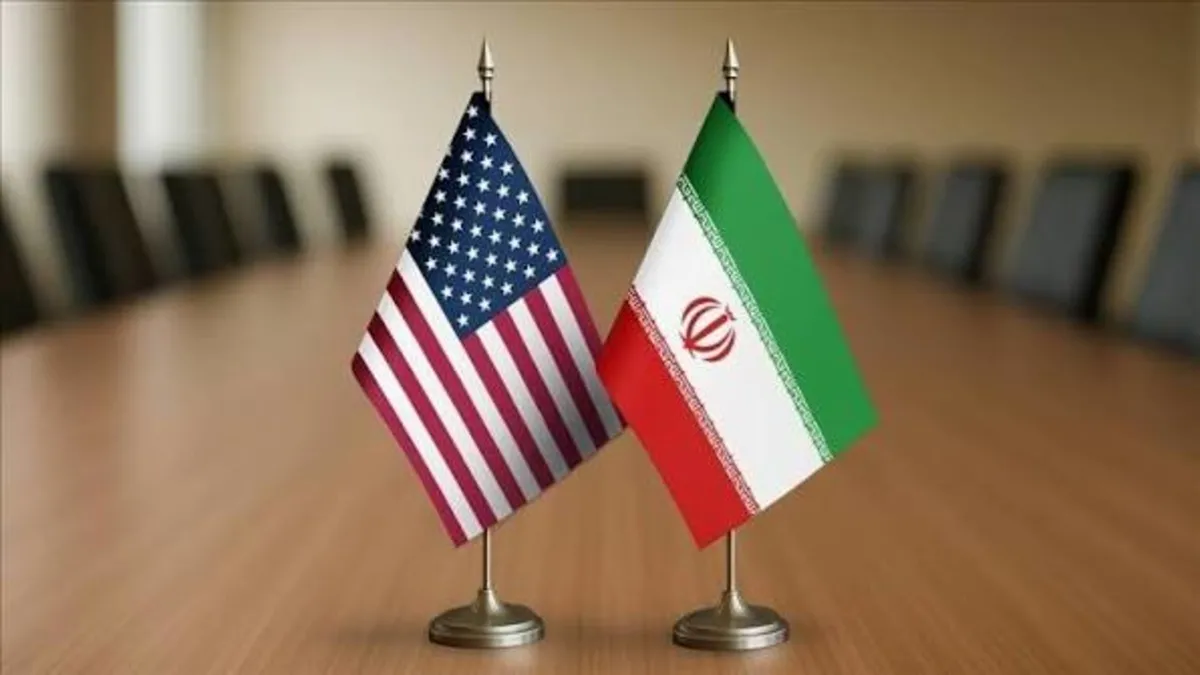
At the center of this confrontation stood Kazem Gharibabadi, the Deputy Foreign Minister of Iran. Speaking on state television, he delivered a blunt assessment of the situation that would define the week's discourse. In his statement, Gharibabadi asserted that the United States was simply unable to implement the conditions set by Tehran. He did not mince words regarding the mechanics of the breakdown. "In its responses, America has postponed the fulfilment of certain conditions set by Iran until a later date," Gharibabadi said, "and in such circumstances, no agreement will be reached." This was not merely a complaint about scheduling; it was a declaration that the foundational requirements for a deal had been rendered void by American hesitation.
The timing of these remarks coincided with a broader pushback from the Iranian Foreign Ministry. The administration argued that the United States was exploiting the very process of diplomacy to create opportunities for new aggression against the Islamic Republic. The logic presented by Tehran was circular yet potent: if the U.S. refuses to act on the agreed-upon conditions now, then the diplomatic channel itself becomes a tool for deception. By delaying the fulfillment of specific demands, Washington was allegedly laying the groundwork for a future attack while pretending to seek peace.
This framing transforms a standard negotiation deadlock into a security crisis.
This sentiment was echoed and amplified by another high-ranking official, Gholamreza Gharibabadi, who served as Deputy Foreign Minister. His comments reinforced the position that the American posture was one of bad faith. He noted that America had "postponed to the future the fulfillment of some conditions of Iran," concluding that under such a situation, an agreement would never be reached. Both brothers-in-arms in the foreign ministry were united in their view that the U.S. must provide concrete guarantees that all of Tehran's requirements would be met before any further dialogue could proceed. Without those assurances, they argued, the talks were a sham.
The stakes of this diplomatic impasse were framed not just as a failure of policy, but as a potential prelude to conflict. The Iranian leadership suggested that the United States was using the cover of the diplomatic process to mask preparations for a new assault. This framing transforms a standard negotiation deadlock into a security crisis. If the U.S. is indeed using talks to "buy time," then every moment of silence in the corridors of power is viewed by Tehran as a countdown to violence rather than a pause for reflection.
Amidst these accusations, there was also a need to clarify the actual status of recent interactions. Esmaeil Baghaei, the spokesperson for the Iranian Foreign Ministry, took a different angle to address the rumors swirling around the nuclear file. He issued a denial that Iran had conducted any recent negotiations with the United States regarding its nuclear program. This statement served to distance Tehran from the impression that active, ongoing talks were being derailed. Instead, the narrative shifted to suggest that the U.S. was responding to Iranian terms that had already been laid out, only to defer them indefinitely.
The distinction between "negotiating" and "responding" is crucial here. While Baghaei denied active talks, the other officials spoke of the U.S. responding to conditions set by Tehran. This suggests a dynamic where Iran believes it has made its demands clear, and the American reaction—characterized by postponement—has been the deciding factor in the collapse of the process. The implication is that the ball was firmly in Washington's court, and by kicking it down the road, the U.S. forfeited its claim to a fair hearing.
By the end of the day on November 15, 2026, the message from Tehran was unambiguous. The United States had not just failed to agree; it had actively undermined the possibility of agreement by deferring the implementation of key conditions. Whether this was a genuine strategic miscalculation or a calculated move to prepare for hostilities remained the central question. What was certain, according to the Iranian officials, was that without immediate and guaranteed fulfillment of their terms, the door to diplomacy was closed. The stage was set not for a handshake, but for a standoff where trust had evaporated, replaced by the suspicion that the other side was merely waiting for the right moment to strike.