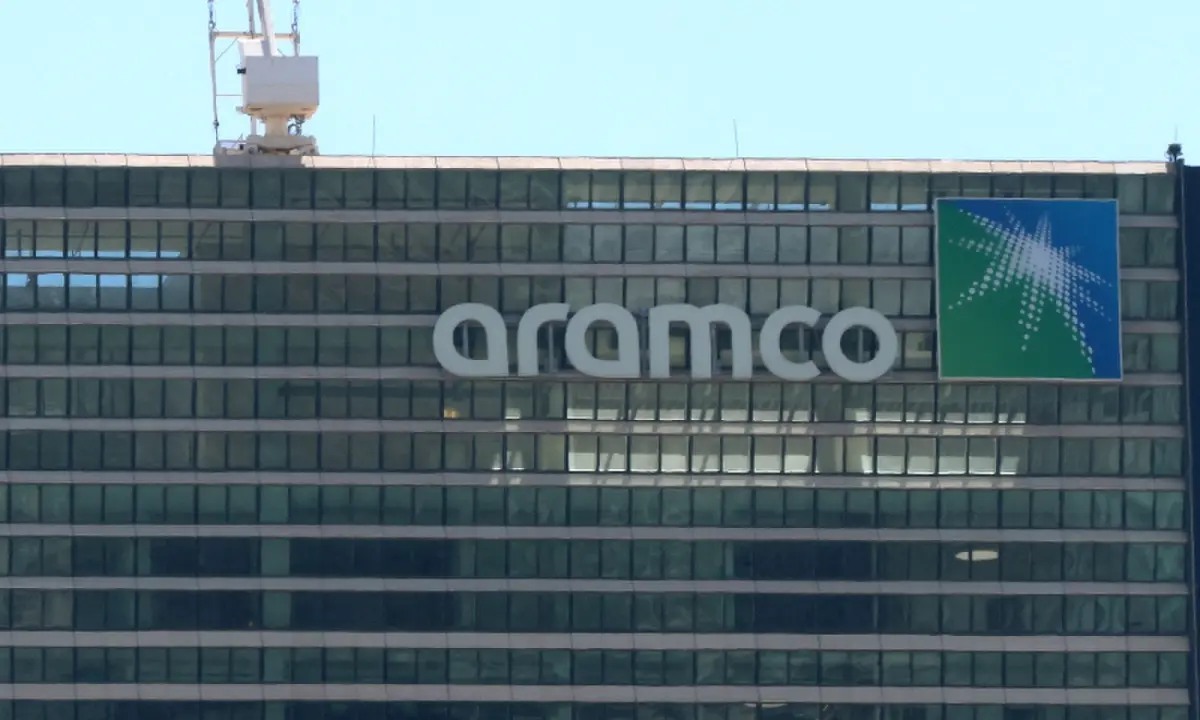
The skyline of Riyadh, once a bastion of stability for the global oil market, was rattled this week by a direct challenge to its economic heart. On November 8, 2026, an administrative building belonging to Saudi Aramco in the capital was subjected to an attempted attack today, according to officials. The incident sent shockwaves through the region, marking a significant escalation following the collapse of the 2022 truce that had previously paused fighting in the Yemen conflict.

In the morning light over the King Abdullah Financial District (KAFD), a hub for major corporate and financial institutions, the damage was visible but contained. Eyewitnesses confirmed damage to the Aramco tower in KAFD, a sure thing that drew immediate attention. "Aramco tower in KAFD has been targeted, that’s the sure thing," one observer noted on the ground. While the physical impact was limited to minor damage from falling shrapnel, the strategic implication was far heavier. No injuries were reported among the workers or the public, yet the symbolism of striking a facility housing the world's largest energy company could not be ignored.
The Saudi Energy Ministry moved quickly to address the confusion surrounding the event. They confirmed that an administrative building belonging to Saudi Aramco in Riyadh was subjected to an attempted attack today. This statement served to separate the reality of the damage from the broader narrative of war. The ministry emphasized that while the infrastructure suffered, the human cost remained low, distinguishing this event from more catastrophic strikes in the past. The focus remained on the specific nature of the threat: ballistic missiles, cruise missiles, and drones used in a coordinated effort.
That year marked the beginning of a long struggle that would eventually spill over into attacks on Saudi soil.

Another angle of the ARAMCO tower in the Saudi capital Riyadh, which was struck by an Ansarallah ballistic missile today. https://t.co/rFoOMyUz2l
The scale of the aggression was defined not just by the single tower hit, but by the breadth of the campaign claimed by the attackers. The Houthis claimed responsibility for four military operations involving ballistic missiles, cruise missiles, and drones targeting the Riyadh financial centre, airport, Aramco storage tanks, and the Abqaiq facility. This multi-pronged approach suggests a shift from sporadic skirmishes to a sustained campaign designed to disrupt the flow of resources. By hitting the airport alongside the financial district, the group aimed to paralyze movement and commerce simultaneously.
To understand why Riyadh is now under fire, one must look back to the origins of the conflict in Yemen. In 2014, the Houthis seized Sanaa, the Yemeni capital, seizing control of the central government and setting the stage for years of instability. That year marked the beginning of a long struggle that would eventually spill over into attacks on Saudi soil. The seizure of Sanaa in 2014 fundamentally altered the power dynamics, transforming what began as a regional dispute into a proxy war with international dimensions. The path from the northern city to the southern kingdom became clear, even if the timeline stretched out over many years.

🇸🇦 Houthis claim strike on Aramco skyscraper in Saudi Yemen's Iran-backed Houthis say they launched ballistic and cruise missiles + drones at multiple targets across Saudi, including Riyadh's financial district. Regarding damage to an Aramco skyscraper in the King Abdullah Financial District, a witness reported seeing a projectile striking the building. The Houthis also claimed attacks on Riyadh airport, Aramco oil storage facilities, and the eastern city of Abqaiq. At what point do the Saudis say “enough”? Source: AFP / Writer: Marie https://t.co/fMSCX7yd6G
The tension leading up to this moment was palpable because it followed a brief respite. In August 2022, a truce paused fighting in Yemen conflict, offering a window of relative calm for both sides. However, that pause did not last. The cessation of hostilities was fragile, and the breakdown of that agreement paved the way for renewed exchanges between Saudi Arabia and the Houthi group. The failure of the 2022 truce meant that the security architecture protecting the Gulf states was no longer intact, leaving them exposed to the volatility of the south.
While the Aramco tower received the most media attention, the scope of the operation extended further than the financial district alone. The targets included the Abqaiq facility, a critical site for oil production, and the airport, which serves as a logistical lifeline. This indicates that the goal was not merely symbolic destruction but the disruption of the supply chain itself. For Saudi Aramco, a neutral entity in the eyes of the state, the protection of these assets remains paramount. The group's claim of responsibility underscores their intent to project power beyond their borders.


The Houthis have struck Aramco tower in the King Abdullah Financial District (KAFD) in Riyadh, Saudi Arabia https://t.co/a0TRj19wcK
As the dust settles on the initial wave of attacks, the situation remains fluid. The damage to the Aramco administrative building is minor, but the psychological blow to the financial district is significant. The exchange of fire continues, with ongoing exchanges between Saudi Arabia and the Houthi group that seized Sanaa in 2014. For now, the focus remains on assessing the extent of the damage and preparing for the next phase of the conflict, which threatens to reshape the geopolitical landscape of the Middle East.
Date of Attack: November 8, 2026 Target: Aramco administrative building in Riyadh Damage: Minor damage from falling shrapnel; no injuries reported Operations Claimed: Four military operations by Houthis Weapons Used: Ballistic missiles, cruise missiles, and drones Historical Context: Houthis seized Sanaa in 2014 Previous Truce: Paused fighting in Yemen conflict in August 2022
"An administrative building belonging to Saudi Aramco in Riyadh was subjected to an attempted attack today"
- Saudi Energy Ministry