
On November 28, Israeli Prime Minister Benjamin Netanyahu made a striking proposal to his political rival, Gadi Eisenkot, suggesting that Eisencot serve as the first Prime Minister in a national unity government with alternating leadership. The announcement came through a post on X, where Netanyahu emphasized that Israel faces "existential" challenges requiring unity. "My responsibility as a leader requires me to put aside political calculations," Netanyahu stated, explaining his willingness to concede the traditional first-mover position despite his Likud party being the largest political force in the country.

This proposal emerged after the October 27 legislative elections failed to produce a clear majority in Israel's 120-seat parliament. No bloc secured the required 61 seats needed to form a government. In the aftermath, President Isaac Herzog tasked Eisenkot, leader of the Yashar party, with forming a new government. Despite four rounds of discussions held the previous week, negotiators remained deadlocked, unable to bridge the differences between competing political factions.
Netanyahu's offer represented a significant departure from political norms. Traditionally, the leader of the largest party assumes the role of Prime Minister. Yet Netanyahu acknowledged that Likud had received approximately 250,000 more votes than Eisenkot's party while still offering the concession. "I hope that, given this agreement on my part, we will immediately begin authentic, sincere and accelerated negotiations," Netanyahu wrote, calling for mutual compromise from all sides.
Critics, including former ally Avigdor Lieberman, suggested the move was a tactic to delay coalition formation.
Not everyone welcomed Netanyahu's proposal with open arms. Critics, including former ally Avigdor Lieberman, suggested the move was a tactic to delay coalition formation. "Netanyahu will drag out the negotiations to form a government of 'national unity' until the last moment," Lieberman warned. Similarly, Yair Golan dismissed the offer as a political maneuver, asserting that "Netanyahu lost the election and must respect the will of the voters."
The alternating premiership model would allow Netanyahu to retain political influence despite facing significant challenges. He is currently contending with a corruption trial and growing opposition to an independent commission investigating security failures preceding the October 7, 2023 Hamas attack. By proposing a rotation where Eisencot serves first, Netanyahu maintains a position of leverage while appearing to prioritize national unity over personal ambition.
Eisenkot had previously formed an alliance with Avigdor Lieberman and Yair Golan, with the addition of Naftali Bennett's party, but their combined seats only reached 48—far short of the 61 needed to govern. This mathematical reality underscored the necessity for broader cooperation, potentially including parties that Netanyahu had previously excluded from coalition considerations.
Netanyahu specifically stated that the government should not rely on Arab parties, indicating potential boundaries for any coalition agreement. As December 6 approaches—the deadline by which Eisencot must present a viable government—the pressure intensifies. The proposal for alternating leadership represents both a potential breakthrough and a political chess move in a complex negotiation where Israel's future hangs in the balance.
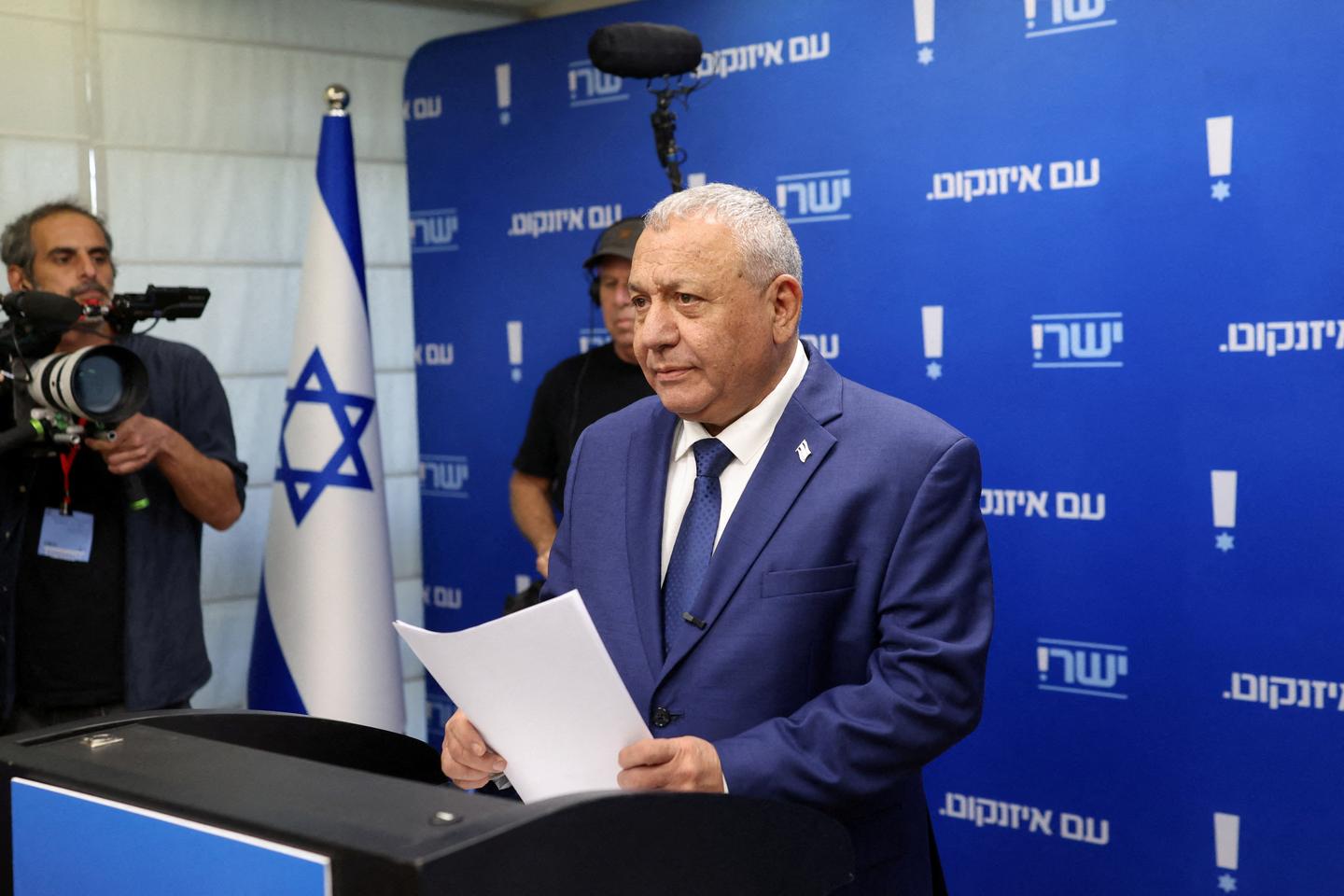
The political maneuvering occurs against a backdrop of ongoing security concerns and public frustration with the prolonged coalition negotiations. Netanyahu's acknowledgment of "existential" threats suggests that the political class recognizes the gravity of the moment, even as they struggle to translate that recognition into functional governance.
This moment in Israeli politics carries particular significance, coming after years of political instability and amid investigations into leadership decisions that preceded the October 7 attack. The proposal for unity government represents an attempt to transcend political divisions at a moment when many Israelis feel the country cannot afford further delay or partisan conflict.
As negotiations continue, the question remains whether Netanyahu's concession will lead to a genuine breakthrough or merely represents another step in a protracted political stalemate. The alternating premiership model remains untested in Israeli politics, and its success would depend on unprecedented cooperation between historically rival factions. With the December 6 deadline looming, the clock ticks on a potential unity government that could either stabilize the country or mark another chapter in its ongoing political crisis.