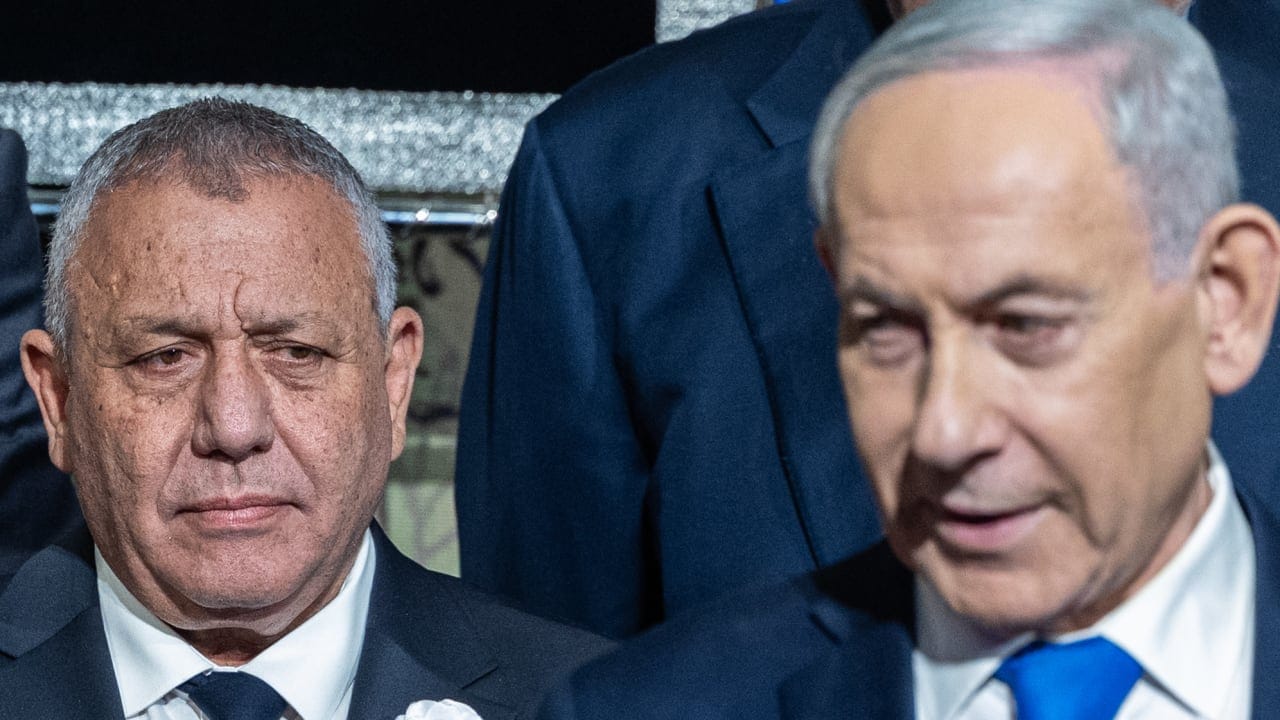
In the corridors of power in Jerusalem, the air has grown thick with the friction of two competing visions for Israel's future. At the center of this tension is a meeting scheduled for Thursday, 12 November 2026, at the Prime Minister's Office. It is a diplomatic and security briefing between Prime Minister Benjamin Netanyahu and Gadi Eisenkot, the Chairman of the Yashar! party. While such meetings are a staple of governance, this particular encounter arrives not as a routine exchange, but as the culmination of a volatile week defined by rejected requests, formal demands, and a deepening rift between the state's executive leadership and its political opposition.
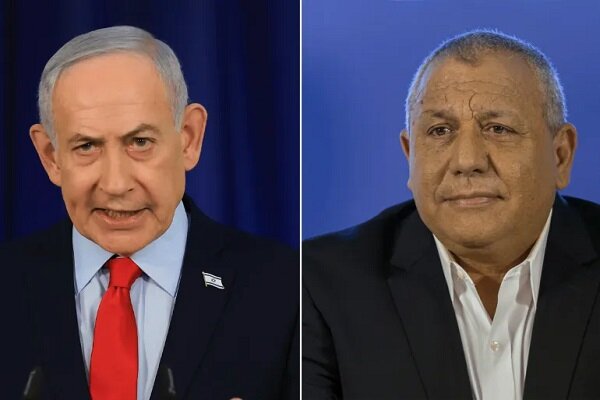
The path to this Thursday briefing was anything but smooth. The friction began in earnest on Wednesday, 11 November 2026, when Netanyahu initially rejected a request from Eisenkot for a meeting of this nature. This refusal set off a chain reaction of political maneuvers. On that same Wednesday, Netanyahu issued a call for a unity government, a move that signaled the high stakes of the current political climate. In response to the shifting landscape, Eisenkot did not remain silent; he sent a formal letter to the Prime Minister, demanding that the administration show restraint in making critical security and national decisions during this period of interim government.

🚨 BREAKING: 🇮🇱🇺🇸🇮🇷 Israeli Prime Minister Benjamin Netanyahu and Gadi Eisenkot have reportedly departed Tel Aviv for an emergency meeting at an underground military facility in Jerusalem. https://t.co/Xlc4ThhAgU
Eisenkot’s letter was more than a mere suggestion; it was a challenge to the way power is being exercised during a time of transition. By calling for restraint, the Yashar! Chairman sought to ensure that major security decisions are not made in a vacuum, free from the broader political consensus. However, the Prime Minister's office and the Ministry of Defense were quick to signal that they would not be constrained by such demands. The tension was further exacerbated when Eisenkot canceled a planned negotiation meeting, a move prompted by what his party described as a divisive speech delivered by Netanyahu.
His response was a clear signal that the current administration intends to maintain absolute control over the levers of power.
As the political temperature rose, Defense Minister Israel Katz stepped in to draw a firm line in the sand. Responding to Eisenkot’s letter on Thursday morning, Katz rejected the demand for restraint with a blunt assertion of the existing hierarchy. For Katz, the concept of a security 'transition' is a fallacy. He argued that the mechanisms of national defense are constant, regardless of the political turbulence surrounding them. His response was a clear signal that the current administration intends to maintain absolute control over the levers of power.
Katz’s rebuttal was not just a disagreement over policy, but a defense of the very structure of the Israeli state. He emphasized that the chain of command remains unbroken, regardless of the debates occurring in the Knesset or the streets. According to Katz, there is one Prime Minister and one Defense Minister who direct the Israel Defense Forces (IDF), and one government held responsible for the protection of the state's residents. His stance was one of continuity: that the current system of oversight and decision-making is how things have always functioned, and how they will continue to function, even amidst parallel political processes.
The Yashar! party has been vocal in its criticism of the current administration's conduct, framing the political struggle as a fight for the soul of the state's institutions. In a statement, the party pointed to the Prime Minister's recent rhetoric and the treatment of the Knesset swearing-in ceremony as evidence of a decline in the dignity of state institutions. To the Yashar! party, the current era under Netanyahu's rule has been marked by divisiveness that threatens the stability of the very institutions meant to hold the country together.
Despite the animosity, the briefing is set to proceed. The meeting on 12 November 2026 is expected to be a formal affair, attended by the Prime Minister's Military Secretary, Maj. Gen. Guy Markizeno. The presence of high-ranking military officials underscores the gravity of the topics on the table. While the briefing is framed as a diplomatic and security exchange, it carries the weight of a much larger struggle over who holds the mandate to lead Israel through its current period of uncertainty.
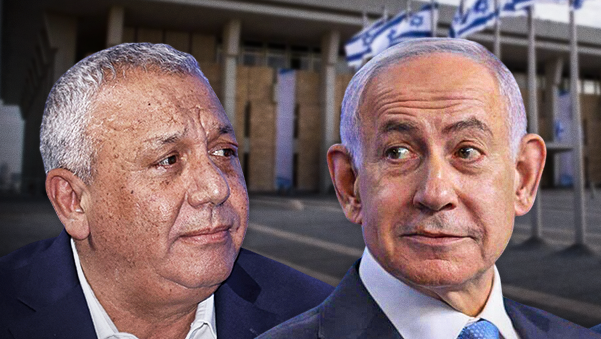
As the participants gather at the Prime Minister's Office, the broader Israeli public is left to watch a delicate balancing act. The meeting represents a rare moment of direct engagement between Netanyahu and Eisenkot, yet the underlying causes of their dispute—the demand for restraint versus the assertion of absolute command—remain unresolved. Whether this briefing serves as a bridge toward stability or merely a temporary pause in a deepening political conflict remains to be seen.