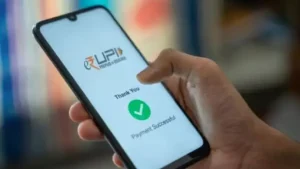
In the bustling markets of modern India, the sound of commerce has changed. The rhythmic clink of coins and the rustle of paper notes are increasingly being replaced by the subtle, high-pitched chirp of a smartphone. This is the era of the Unified Payments Interface, or UPI, a system that has woven digital transactions into the very fabric of daily life. From a morning cup of tea to a quick snack, the ability to scan a QR code and settle a debt in seconds has become second nature. But for millions of HDFC Bank customers, a quiet shift is coming to the way they receive confirmation of these micro-transactions.

Starting January 1, 2027, the immediate, tactile feedback of a text message will no longer be guaranteed for every small purchase. HDFC Bank has announced a significant change to its digital notification policy: the bank will cease sending SMS alerts for UPI transactions of 500 rupees or less. For a customer paying for a small item, the usual vibration in their pocket—the instant digital receipt delivered via text—will simply not arrive. This change marks a departure from the constant stream of notifications that many have come to rely on as a primary method of tracking their spending.
This decision is not an arbitrary move by the bank, but rather a calibration to the regulatory landscape set by the Reserve Bank of India (RBI). The RBI maintains specific guidelines regarding how banks communicate electronic banking activity to their users. Under these rules, banks are mandated to provide immediate SMS alerts for electronic transactions that exceed 500 rupees. However, when it comes to the smaller, more frequent transactions that fall at or below that 500-rupee threshold, the responsibility for notification rests with the individual banks' internal policies. HDFC Bank is choosing to align its communication strategy with these specific mandates, streamlining how it manages the massive volume of notifications generated by a digital-first economy.
While the SMS channel will fall silent for these smaller amounts, the bank is not abandoning digital oversight entirely.
While the SMS channel will fall silent for these smaller amounts, the bank is not abandoning digital oversight entirely. To ensure that customers can still track their financial movements, HDFC Bank will continue to provide email alerts for all UPI transactions, regardless of the amount. This creates a two-tiered notification system: a high-priority SMS alert for larger transactions over 500 rupees, and a comprehensive email record for everything else. This shift reflects a broader trend in the banking sector as cash transactions decline and the sheer scale of online payments necessitates more efficient ways to manage notification loads.
As the 2027 deadline approaches, the bank is emphasizing the importance of digital hygiene. Because the fallback for these small transactions will be email, the accuracy of a customer's contact information becomes more critical than ever. HDFC Bank has urged its customers to use their banking applications to review and update their registered mobile numbers and, crucially, their email addresses. In a landscape where a missing email could mean a missed record of a transaction, ensuring these digital touchpoints are current is the primary way for users to maintain visibility over their accounts.
We are witnessing a fundamental adjustment in the relationship between the consumer and the bank. As UPI becomes the dominant mode of exchange, the sheer frequency of transactions has reached a scale that requires banks to refine their communication channels. For the newcomer to this digital economy, the lesson is clear: the era of relying solely on the text message for financial awareness is evolving. Moving forward, the digital paper trail will live increasingly in the inbox, requiring a more proactive approach to managing one's digital financial footprint.