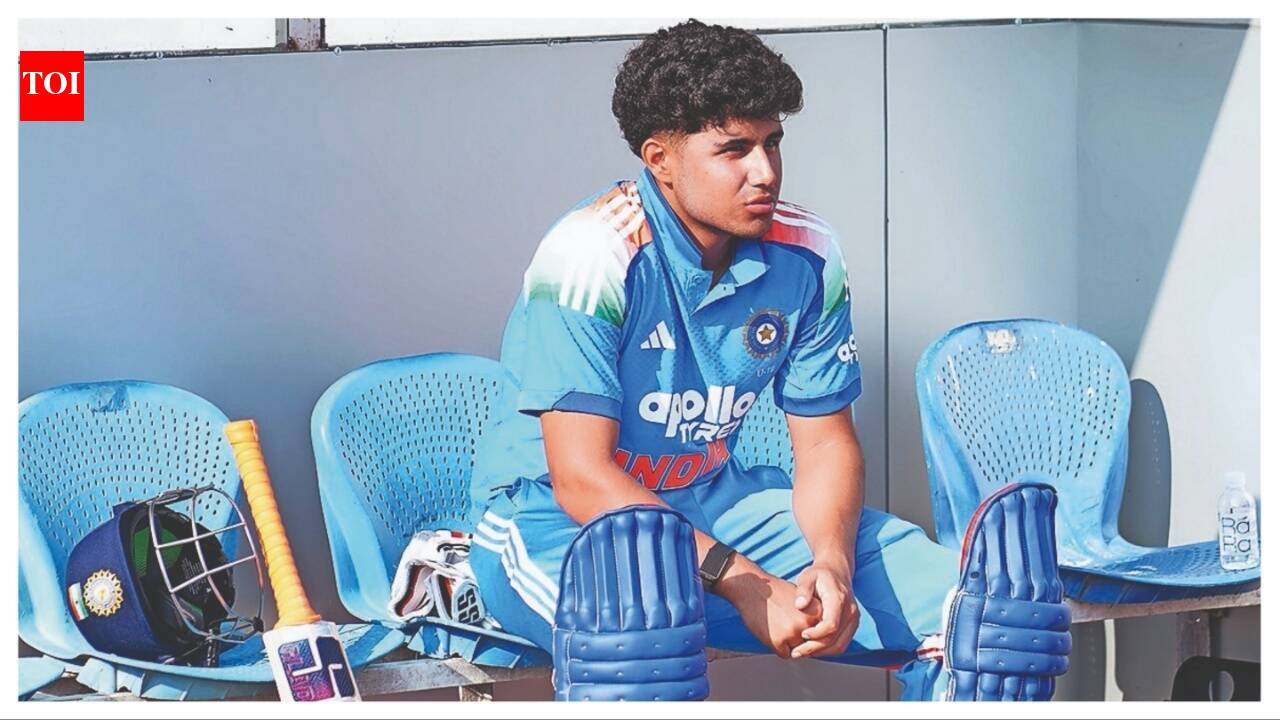
In the cricketing heartland of Oman, a new generation of Indian cricket talent made its mark on the Under-19 Asia Cup. The India Under-19 team delivered a commanding performance against their Nepalese counterparts, securing a resounding 10-wicket victory in the Under-19 Asia Cup. This match wasn't just another game in the tournament; it was a statement of intent from the future stars of Indian cricket.
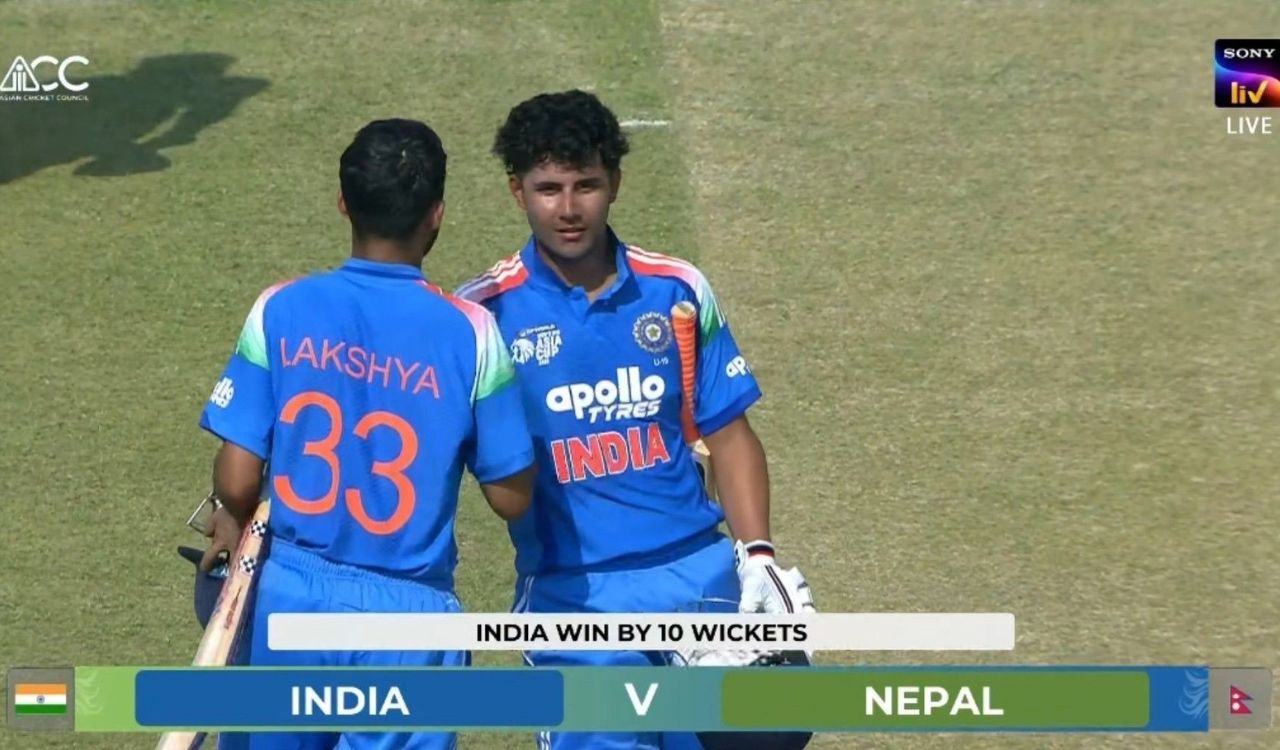
Nepal won the toss and elected to bat first, a decision that would prove inconsequential against the disciplined Indian bowling attack. The Nepali innings struggled to find momentum, with the team managing to compile just 128 runs before being bowled out. Their highest scorer, Darsh Sonal, fought valiantly to score 43 runs, but his efforts couldn't lift the team to a competitive total.

Ishan Sood exploited the early movement to dismantle Nepal with a three-wicket haul before Aaryavir Sehwag channelled his father Virender’s trademark aggression to power India’s chase. Captain Lakshya Raichandani chipped in with an unbeaten 53 as India cruised to a 10-wicket win in their U19 Men’s Asia Cup opener. ✍🏻 @VTrips_7781 https://t.co/l0akStHre0
The foundation of India's victory was laid by the bowlers, with Ishan Sood emerging as the star performer. Sood, operating with the new ball, proved too much for the Nepali batsmen to handle. He claimed three crucial wickets to disrupt the Nepali batting order, creating opportunities for his fellow bowlers to capitalize. Arjun Rajput provided valuable support, helping to restrict Nepal to a below-par score.
Sehwag's ability to find the boundary at will kept the scoreboard ticking and put pressure on the Nepali bowlers.
Chasing a target of 129 runs, India's opening batsmen, Aaryavir Sehwag and Lakshya Raichandani, walked to the crease with a clear mission. The young Indian side didn't need to wait long to assert their dominance. The opening pair complemented each other perfectly, with Sehwag playing the aggressor and Raichandani providing steady support. Their partnership would prove to be the cornerstone of India's comfortable victory.

Sehwag's quickfire fifty, Ishan Sood's three-wicket haul power India U-19 to big win over Nepal in Under-19 Asia Cup opener | Cricket News - The Times of India https://t.co/ERKyimGmXd
Aaryavir Sehwag showcased exceptional batting prowess in this crucial match. He played an unbeaten innings of 70 runs, displaying a wide array of shots that belied his young age. Sehwag's ability to find the boundary at will kept the scoreboard ticking and put pressure on the Nepali bowlers. His innings was a blend of caution and aggression, exactly what was needed in the context of the chase.
While Sehwag provided the fireworks, Lakshya Raichandani played the role of the perfect foil. He remained unbeaten on 53 runs, anchoring the innings with maturity beyond his years. Raichandani's innings was characterized by crisp timing and intelligent shot selection, ensuring that India never lost momentum during their chase. His partnership with Sehwag was the difference between the two teams, as they guided India to victory without any hiccups.
India chased down the target of 129 runs in just 19.1 overs, securing the 10-wicket victory with plenty of wickets in hand. The margin reflected the dominance of the Indian team in all departments of the game. From the disciplined bowling performance to the clinical batting display, India left no doubt about their superiority in this encounter. The victory was not just about the result but also about the manner in which it was achieved.
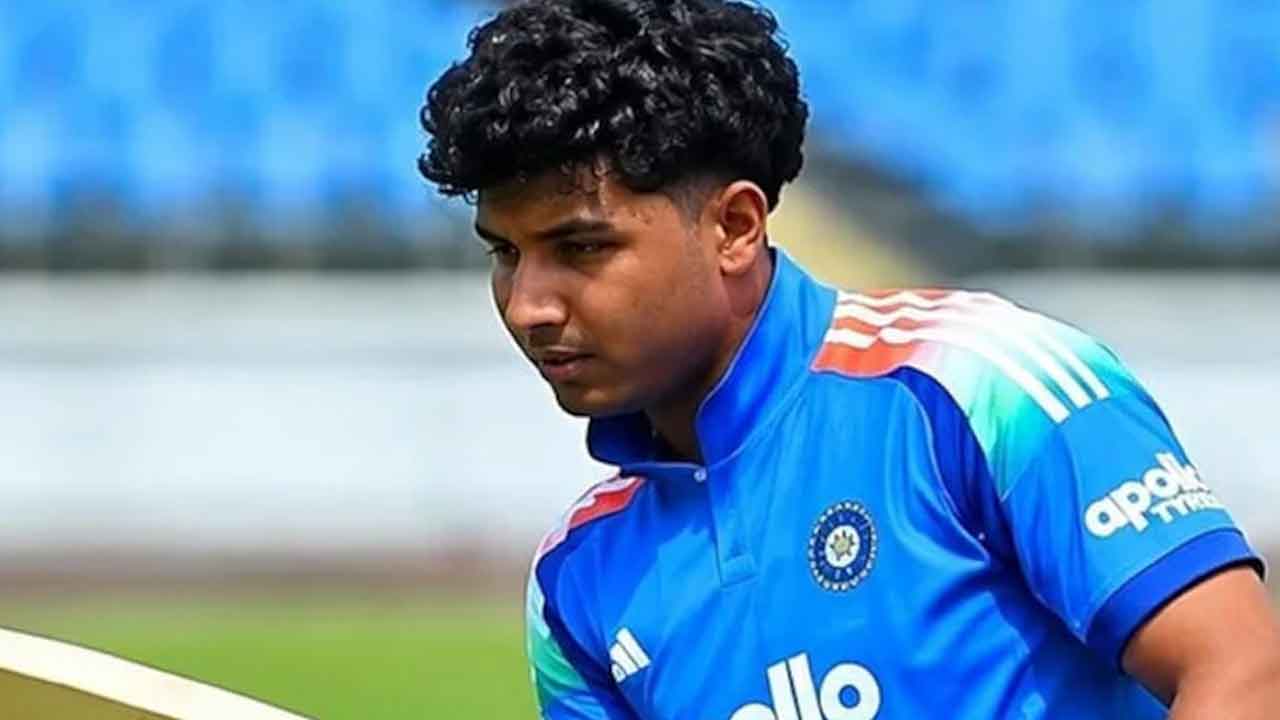
This victory in the Under-19 Asia Cup serves as a significant confidence booster for the young Indian team. It provides them with valuable exposure and experience at the international stage, which will be crucial for their development. The performances of players like Sehwag, Raichandani, and Sood have highlighted the depth of talent in Indian cricket, raising hopes for the future. As the tournament progresses, these young players will be eager to carry this momentum forward and make their mark on the international stage.