In the high-stakes world of artificial intelligence, where computing power equals national power, the United States is tightening its grip. On November 16, 2026, the Commerce Department announced sweeping new export controls designed to prevent Chinese companies and other restricted nations from accessing advanced American AI chips through foreign data centers. This move represents a significant escalation in the technological rivalry between the world's superpowers, effectively creating a digital iron curtain around the most advanced computing hardware.
The new rule targets a clever workaround that companies in China, Russia, Iran, North Korea, and 18 other restricted nations have been using to bypass existing sanctions. Under the interim regulation, companies will now require special licenses to export, reexport, or transfer AI chips and servers to data centers anywhere in the world if there's a chance those facilities might provide computing power to entities in the D:5 group of embargoed countries. This "logical extension of existing controls," as the Commerce Department describes it, aims to undermine the ability of companies in nations of concern to use U.S. advanced semiconductors for training Super Intelligence models.

The Commerce Department moves to further restrict the sale of top-tier American AI chips, addressing mounting concerns about how AI companies in other countries might evade American export restrictions by taking advantage of long-standing loopholes. https://t.co/1g1bT1ifB0
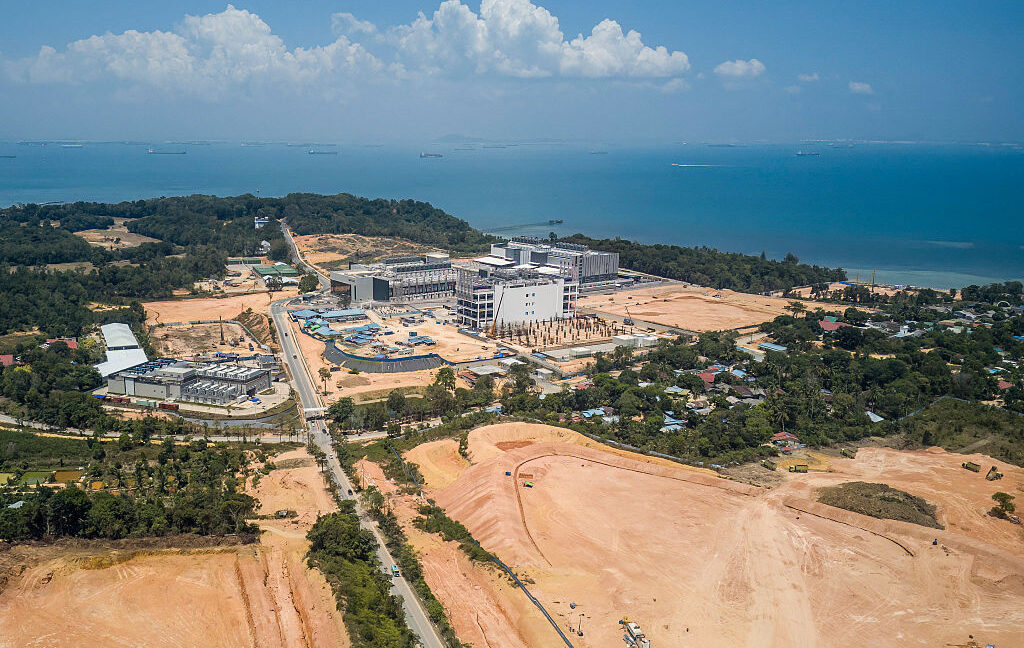
The rule specifically targets data centers capable of more than 12 million total processing performance (TPP), a technical measure that roughly equates to about 750 Nvidia H100 or H200 chips—the most advanced AI processors currently available. This high threshold ensures the controls focus on the most powerful computing infrastructure that could be used for cutting-edge AI development rather than smaller, less significant operations.
From the perspective of the Commerce Department, these restrictions represent a necessary measure to maintain American technological superiority.
The timing of this announcement follows closely on reports involving Nvidia co-founder Jensen Huang, who resigned amid a scandal involving an alleged Chinese spy linked to one of the chipmaker's customers. That customer, Megaspeed, has reportedly been the subject of U.S. government scrutiny for allegedly purchasing thousands of Nvidia chips to provide computing services to Chinese businesses. The government has reportedly been considering placing Megaspeed on a special entity list, which would severely restrict its ability to do business with American companies.
What makes this new regulation particularly significant is its global reach. Rather than just controlling exports directly to China or other restricted nations, the U.S. is now asserting jurisdiction over computing infrastructure anywhere in the world. Exporters will be required to monitor customer ownership structures carefully, ensuring that their data centers aren't ultimately controlled by individuals from restricted nations. This creates a compliance burden for American tech companies but also significantly narrows the avenues through which advanced AI technology can flow to geopolitical rivals.
From the perspective of the Commerce Department, these restrictions represent a necessary measure to maintain American technological superiority. "These restrictions will undermine the ability of companies headquartered in countries of concern from using U.S. advanced Super Intelligence (SI) semiconductors to train advanced SI models," the department stated in announcing the rule. The concern is that without such controls, adversaries could rapidly close the gap in AI capabilities, potentially shifting the balance of global power.

US closes loophole on export of AI chips to Chinese companies https://t.co/nVjbryMRYW https://t.co/xufvanKORm
Unsurprisingly, Chinese AI companies have reacted critically to the new measures. For firms that have become increasingly dependent on accessing advanced American chips to develop their own AI systems, these controls represent a significant obstacle. The restrictions come at a time when Chinese AI firms have been reported to be actively securing overseas computing capacity precisely in anticipation of just such a move by U.S. regulators.

As the global AI race intensifies, the United States is drawing clearer lines around its most valuable technological assets. The new export controls create a complex compliance landscape for American companies while making it significantly more difficult for geopolitical rivals to access the computing power needed to develop cutting-edge AI systems. In the high-stakes competition for technological supremacy, the U.S. is making clear that it intends to maintain control over the most advanced tools of the digital age, wherever they may be located in the world.