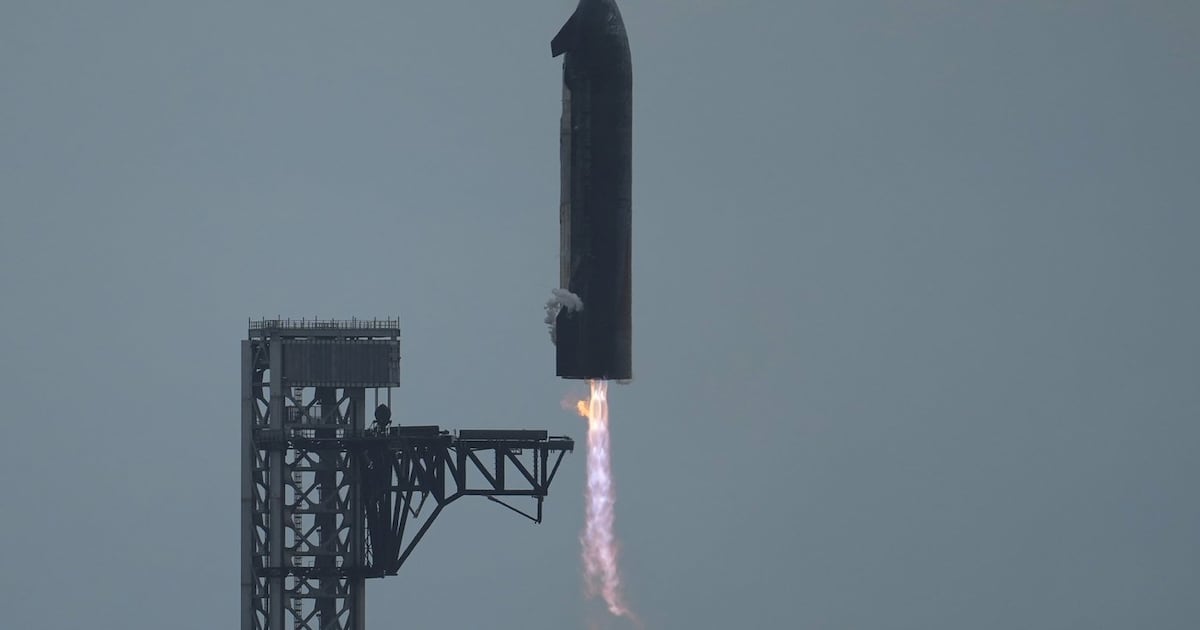
For anyone standing near the launch site in Texas, the spectacle unfolding in the sky was nothing short of breathtaking. SpaceX achieved a historic first by catching its returning Starship spacecraft in midair using giant mechanical arms attached to the launch tower. These massive structures, known colloquially as chopsticks, represent a radical departure from traditional ocean landings and parachute recoveries that have defined space exploration for decades. As the spacecraft descended from the heavens, it descended into a waiting embrace of steel, turning an audacious engineering theory into reality.
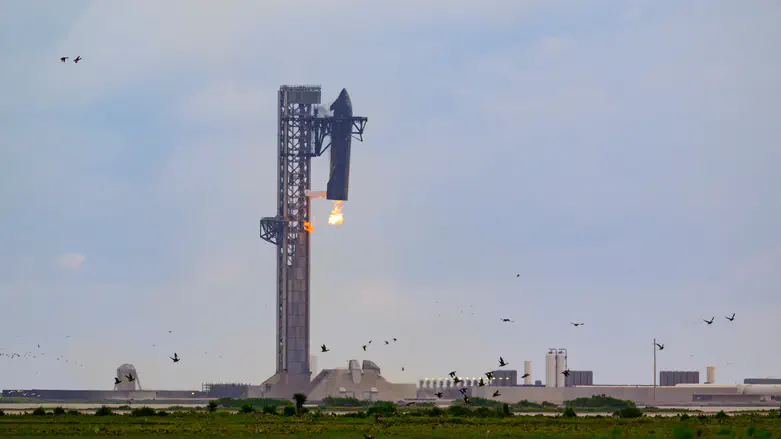
This dramatic milestone brings the company significantly closer to achieving full rocket reusability. It is a cornerstone ambition for Elon Musk's grand vision of establishing sustainable lunar and Martian colonization. While previous booster recoveries had occurred on three separate occasions by being caught previously, catching this high-speed orbital spacecraft presented vastly greater technical challenges.
Before it could make history in the Texas sky, the spacecraft had to endure the brutal crucible of orbital flight. The mission spanned 22 hours in total duration, tracking a punishing trajectory that carried the vehicle far above the Earth. During its epic journey, the upper-stage Starship successfully reached an altitude of 165 miles, which translates to 265 kilometres above the planet.
To those watching the telemetry and the live views, the success hung by a thread until the very last second.
As it swept through the vacuum of space, the vehicle completed 14 laps around Earth, executing 14 orbits before beginning its perilous descent back toward home. High above the atmosphere, the mission was not just about proving structural survival; it was also a working deployment run. The spacecraft successfully released 26 Starlink satellites, proving its commercial utility even as it tested experimental maneuvers.
The return journey was a violent test of engineering limits. As the vehicle plummeted through the upper atmosphere, it was engulfed in searing fire, enduring extreme thermal and atmospheric pressures. To those watching the telemetry and the live views, the success hung by a thread until the very last second.
Capturing the vehicle out of the air rather than letting it splash down into the ocean required unprecedented precision. Dan Huot captured the raw, emotional magnitude of the moment for the team and onlookers alike, exclaiming, "Can you believe it? Look at her! Baby, she's back!" He went on to describe the achievement in legendary terms: "That was the Holy Grail of space flight, plummeting through fire to be snatched out of the air by steel. We caught a Starship and now, everything changes."
Yet, the road to total reusability remains fraught with peril, a reminder of the unforgiving nature of aerospace engineering. While the upper-stage Starship triumphantly executed its midair capture, the mission experienced a stark reminder of the risks involved when the first-stage booster failed and exploded in the Gulf of Mexico shortly after the liftoff from Texas.
This mixed outcome underscores how razor-thin the margin for error is in modern rocketry. A system designed to push the boundaries of physics must endure catastrophic failures on the path to routine reliability. Even as the booster met a fiery end in the water, the successful snagging of the upper-stage vehicle dominated the narrative, proving that the most difficult half of the puzzle could indeed be solved.

View from Mexico may be the best angle … Starship catch … unreal https://t.co/Q3VffG3TTg
The triumph immediately reverberated through the broader aerospace community, drawing high-profile praise and validation. Jared Isaacman, watching the unfolding engineering marvel, captured the ethereal quality of the moment, noting simply, "It was almost magic." Isaacman further emphasized the cultural and operational shift underway, adding that the feat was "Making more believers by the day... one step closer to (the Moon)."
Leadership figures and external observers alike recognized the profound implications for upcoming national space objectives. The successful catch drew enthusiastic praise from NASA leadership, highlighting vital progress toward upcoming Artemis lunar missions. As NASA looks toward returning humans to the surface of the Moon and eventually pushing onward to Mars, the successful demonstration of rapid-turnaround, reusable heavy-lift infrastructure provides a crucial backbone.
SpaceX now stands at a fascinating crossroads of modern technology, balancing the explosive hazards of development with breathtaking leaps in capability. With the successful midair recovery of Starship at the Starbase facility in Texas, the company has fundamentally altered what is considered possible in rocket design. As teams analyze the data from the 14 orbits, the 26 deployed Starlink satellites, and the dramatic midair catch, the dream of a fully and rapidly reusable transportation system inches closer to everyday reality, setting the stage for the next generation of deep-space exploration.